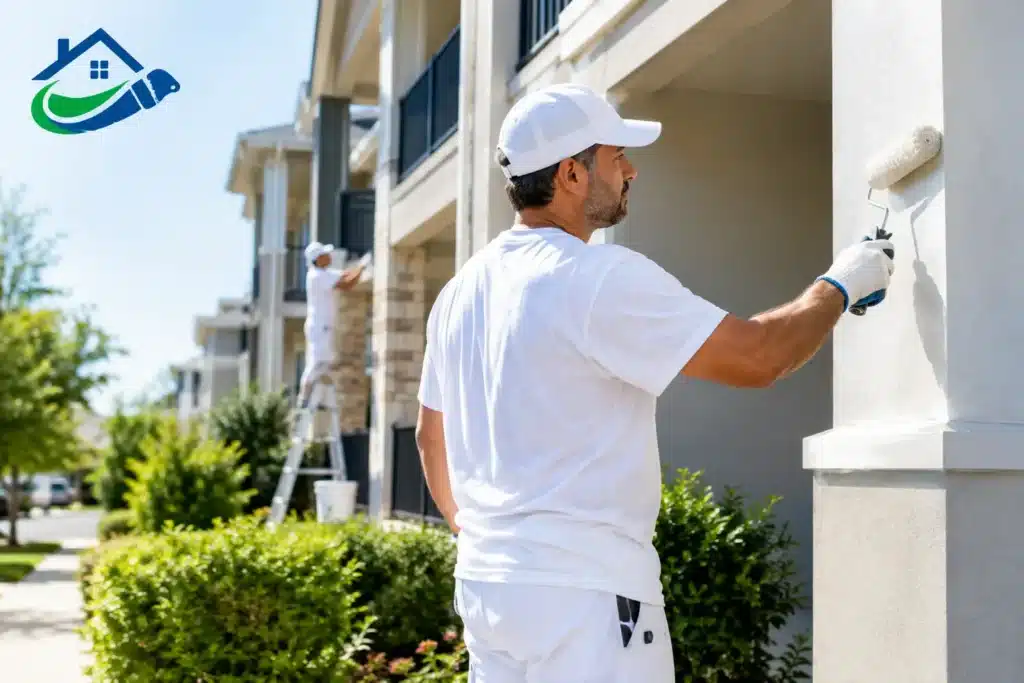

A faded south-facing wall, peeling window trim, or a hairline crack in a living room ceiling can look like a simple painting problem. In Colorado, it often is not. Good house painters know that paint is the final layer of the job, not the first. The work that determines whether a finish lasts happens during the inspection, repair, cleaning, and preparation that come before the first coat.
For homeowners, that distinction matters. A lower bid may cover paint on the walls, but leave failed caulk, loose siding, water-damaged trim, or surface contamination in place. The result can look good briefly and then start failing where the original problem was never addressed. A well-planned painting project protects the home, improves its appearance, and gives you a clear understanding of what is being done and why.
Why Colorado homes need more than a fresh coat
Denver-area homes face conditions that are tough on exterior finishes. High-altitude sun breaks down paint films, especially on south and west exposures. Hail can chip coatings and damage trim. Freeze-thaw cycles widen small cracks, pull apart caulk joints, and allow moisture into vulnerable wood.
Painting over those conditions can conceal them, but it cannot correct them. If a fascia board is soft, a gutter is overflowing, or siding has begun to rot, the right next step is repair. Otherwise, new paint is being asked to hold together a failing surface.
The same principle applies indoors. A stain may point to an old roof or plumbing leak. A crack may be cosmetic, or it may need a more durable drywall repair and texture match. Kitchen cabinets may be candidates for refinishing, but only after grease, wear, and damaged areas are properly addressed. An experienced contractor evaluates the surface before recommending the scope.
What house painters should look for at the walkthrough
A productive on-site consultation is not just a color conversation. It should identify the condition of the surfaces, the practical needs of the property, and any repairs that affect the final result. You should expect questions about prior paint failures, moisture issues, recent hail, stains, high-traffic areas, and your plans for the home.
Outside, the walkthrough should include trim, siding, doors, soffits, fascia, caulk lines, and areas around gutters and windows. Inside, it should consider drywall damage, nail pops, stains, texture, existing sheen, and the condition of previously painted surfaces. A contractor does not need to turn every small imperfection into a major project, but you deserve to know which issues are cosmetic and which may shorten the life of the work.
This is also the best time to discuss access, landscaping, pets, parking, working hours, and any HOA requirements. For a home seller, the priority may be a clean, neutral refresh on a reliable schedule. For a long-term homeowner, it may make more sense to invest in repairs and a higher-performing coating system. The best approach depends on the property and your goals.
Preparation is where a paint job earns its value
Prep is not glamorous, but it is where quality shows up over time. Exterior work may include washing away dirt and chalking paint, scraping loose material, sanding rough edges, replacing damaged trim or siding, sealing gaps, and priming bare areas. Each step gives the new coating a clean, stable surface to bond to.
Interior preparation has its own details. Walls may need patching, sanding, spot priming, caulking at trim, and protection for floors and furniture. If drywall texture was damaged, a patch should blend with the surrounding wall rather than leave a smooth rectangle that becomes obvious as soon as light hits it.
The right amount of prep depends on the condition of the house. A recently built home with sound surfaces may need far less repair than a 25-year-old property with sun-worn trim and several past paint layers. What should not change is transparency. The estimate should state what prep is included and what would be handled as an additional repair if it is discovered after work begins.
A clear estimate prevents avoidable surprises
A painting estimate should be detailed enough that you can compare proposals fairly. A single total without a defined scope makes it hard to know whether two contractors are offering the same service. One bid may include washing, minor carpentry, primer, two finish coats, and cleanup. Another may only include basic paint application.
Look for a written description of the surfaces being painted, preparation steps, repairs, paint products, number of coats, colors, sheens, labor, and estimated schedule. If the project includes trim replacement, gutters, cabinet refinishing, or drywall work, those items should be clearly separated rather than buried in vague language.
Good-better-best options can be helpful when they explain meaningful choices. For example, a homeowner might choose between a standard repaint on sound siding, a more extensive repair-and-paint scope, or a premium coating system for heavily exposed areas. Options should help you make a decision, not create pressure to buy work your home does not need.
Paint products and sheens should fit the surface
Brand names matter less than using the right product for the job and applying it according to the manufacturer’s requirements. Quality paints from manufacturers such as Sherwin-Williams and Benjamin Moore offer different lines for different demands. A wall paint designed for routine cleaning is not necessarily the best choice for exterior trim exposed to intense UV.
Sheen is another practical choice. Flat finishes can hide minor wall imperfections but are generally harder to clean. Eggshell and satin often work well in living spaces and hallways because they balance appearance with washability. Semi-gloss is common for trim, doors, kitchens, and bathrooms, where moisture resistance and cleanability matter. Higher sheen can highlight surface flaws, so it should be selected with the condition of the surface in mind.
Color deserves the same practical thinking. A deep exterior color may look excellent, but it can absorb more heat and show fading faster on a highly exposed wall. A bright white can make a room feel clean while making uneven drywall texture more visible. Samples viewed in the actual room or on the exterior at different times of day are more reliable than a small chip under store lighting.
Communication is part of the workmanship
Most painting projects involve moving furniture, coordinating repairs, protecting landscaping, managing weather, and making decisions about small discoveries along the way. Clear communication is not an extra. It is how the work stays organized.
Before the start date, you should know who your primary contact is, when the crew expects to arrive, how the property will be protected, and how changes will be approved. During the project, the contractor should communicate quickly if weather, hidden damage, or product availability affects the plan. At the end, a final walkthrough gives you the chance to identify touchups while the crew and materials are still available.
Insurance and a workmanship warranty also matter. Painting work involves ladders, equipment, preparation materials, and people working around your home or business. A professional contractor should be prepared to stand behind the scope and address legitimate workmanship concerns after the job is complete.
When one coordinated crew makes sense
Many property owners first call a painter because they see peeling paint. Then the walkthrough reveals cracked caulk, damaged siding, failed gutters, a section of trim that needs replacement, or interior drywall that needs repair before painting. Coordinating separate trades can add delays, create confusion about responsibility, and leave the homeowner managing every handoff.
A contractor with the ability to handle related repairs can simplify the process. Majestic Painting Company, Inc. coordinates painting with services such as drywall repair, trim and siding replacement, gutter installation, cabinet refinishing, and targeted upgrades, so the work can follow one clear schedule. That does not mean every project needs every service. It means the team can solve the underlying issue when painting alone is not the responsible answer.
The goal is not to make a small paint project bigger than it needs to be. It is to avoid spending money on a finish that cannot perform because the surface beneath it was ignored.
A paint job should leave your property looking cared for, but it should also leave you confident about what was repaired, what products were used, and who will answer if a question comes up later. Start with a careful walkthrough and a written scope. The right painting partner will make the decisions easier before the first drop cloth goes down.