
A doorknob hole, a spreading ceiling stain, or a long crack above a doorway can make an otherwise well-kept room feel neglected. When homeowners weigh repairing drywall versus replacing drywall, the right answer is rarely based on damage size alone. The cause of the damage, the wall’s structure, moisture history, texture, and the quality of the final paint finish all matter.
A small repair can disappear completely when it is properly patched, textured, primed, and painted. But patching compromised drywall only hides a bigger issue for a while. Knowing the difference helps you spend wisely and avoid paying twice for the same wall.
When Drywall Repair Is the Better Choice
Drywall repair is usually the practical choice when the damage is isolated and the surrounding board is dry, solid, and firmly attached to the framing. Common examples include nail pops, small dents, picture-hanging holes, minor corner damage, and a few hairline cracks caused by normal settling.
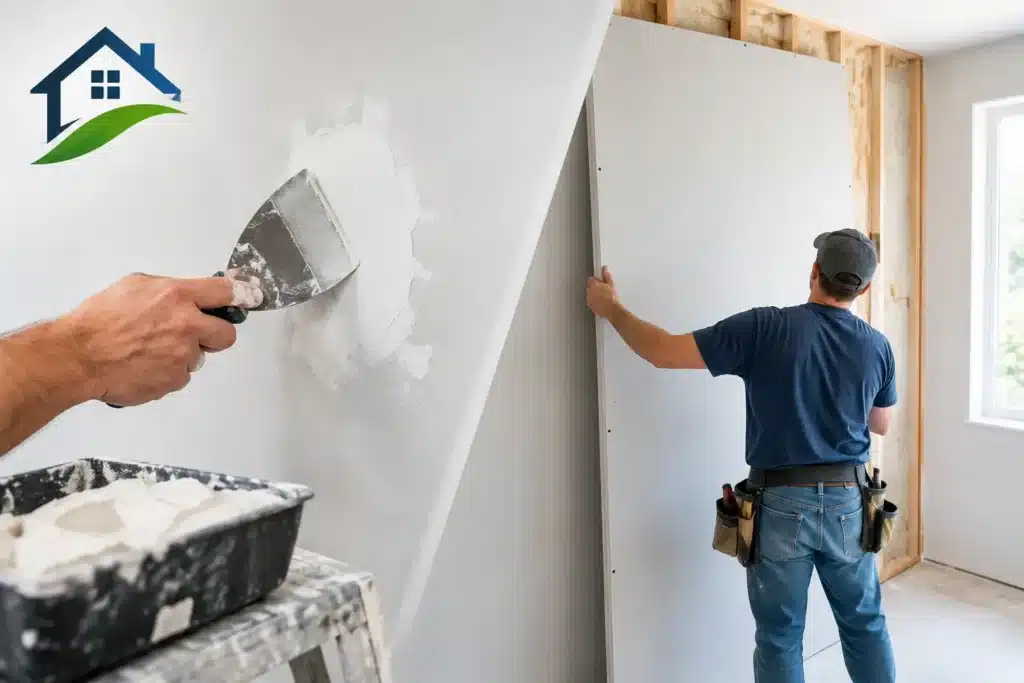
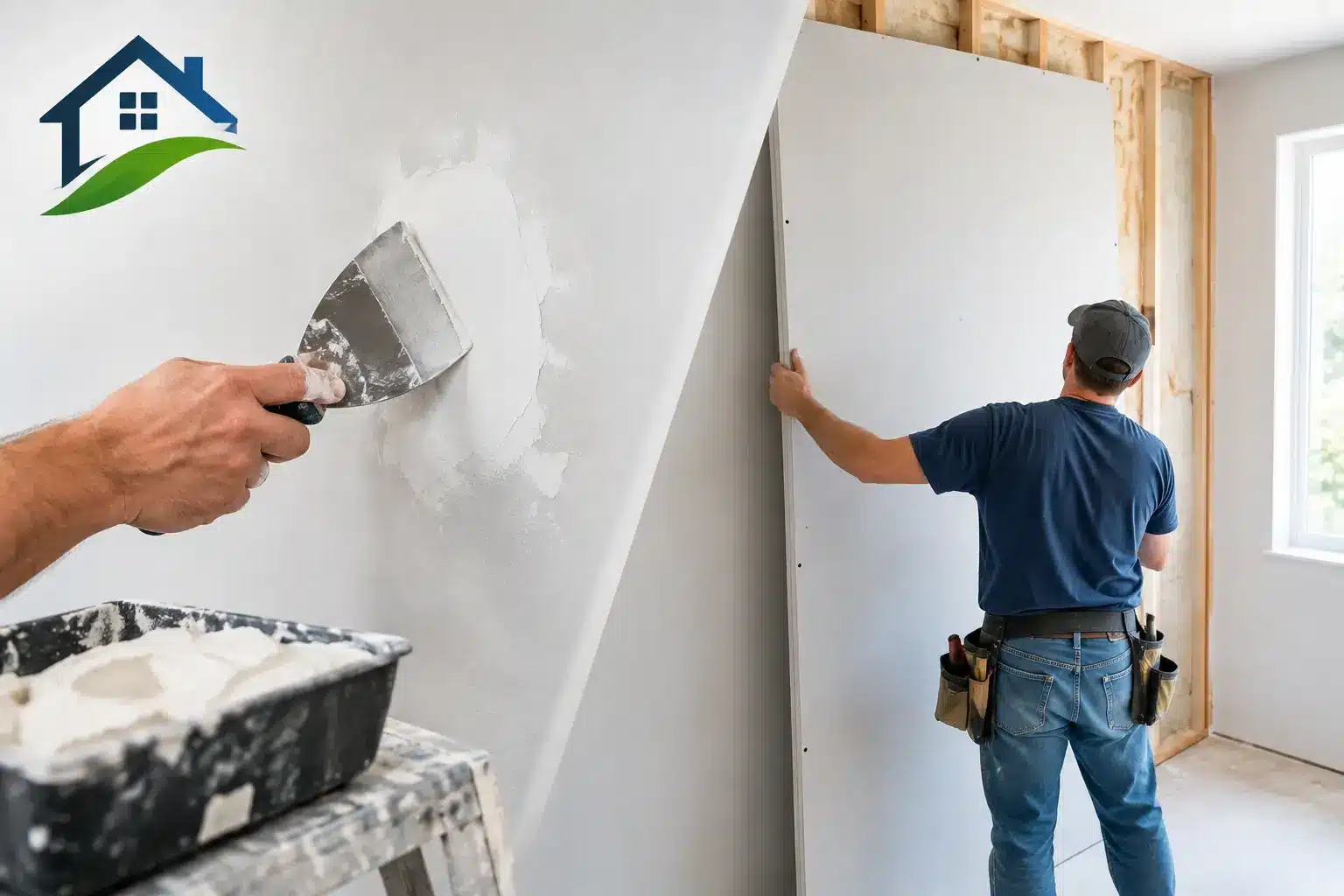
For a small hole or dent, a professional can remove loose material, install backing if needed, apply the appropriate patch, and build up joint compound in thin coats. The repair is then sanded smooth, matched to the existing wall texture, primed, and painted. Done well, the repair blends into the room instead of looking like a flat spot under new paint.
Repair also makes sense for localized water damage after the source has been fully corrected. For example, a small area beneath a plumbing leak may only need to be cut out and patched if the leak was fixed quickly, the insulation is dry, and the framing shows no signs of mold or rot. The key is not painting over the stain. Stained areas need the damaged material addressed and the repaired surface primed with the right stain-blocking product before repainting.
Hairline cracks can often be repaired, but their pattern matters. A short, stable crack near a door or window may simply reflect seasonal movement. In Colorado homes, dry winters and changing temperatures can make minor settling cracks more noticeable. If the crack returns after a proper repair, however, it may point to movement that needs further evaluation rather than repeated patching.
When Replacing Drywall Makes More Sense
Replacement becomes the better investment when drywall has lost its strength or when damage extends beyond one clean, contained area. Water-soaked drywall, crumbling gypsum, mold growth, widespread staining, or sagging ceilings are all warning signs that a patch may not hold up.
Drywall is made with a gypsum core covered by paper. Once that paper stays wet long enough, it can soften, separate, and provide a surface where mold can grow. Even if the face of the wall looks dry later, the board may remain weakened. In these cases, cutting out the damaged section and replacing it is more dependable than applying compound over a compromised surface.
Replacement may also be needed when a large hole spans multiple studs, when the wall has extensive damage from a move-out or renovation, or when there are repeated failed repairs. A wall covered in patched areas can be made presentable, but broad replacement sometimes produces a straighter, cleaner result with less labor spent feathering old imperfections.
Ceilings deserve extra caution. A stained or sagging ceiling can signal an active roof leak, ice dam, plumbing leak, or condensation issue. Replacing the drywall before the source is corrected risks ruining the new work. On Front Range properties, freeze-thaw cycles, hail-damaged roofing, and poorly directed gutters can all contribute to water entering where it should not. Fix the cause first, then restore the ceiling.
Repairing Drywall Versus Replacing Drywall: What Changes the Cost?
It is tempting to assume patching is always cheaper. Often it is, especially for a small hole or a few cracks. Yet the lowest immediate price is not always the lowest total cost if the patch fails, stains bleed through, texture does not match, or moisture returns.
Labor is a major factor in both options. A repair requires protection of floors and furniture, cutting out loose material, multiple compound applications, drying time, sanding, texture work, priming, and paint blending. Replacement adds demolition, disposal, new drywall installation, taping, mudding, and sometimes insulation or framing repairs. If a large portion of the wall is already damaged, the added cost of replacement may be reasonable compared with extensive patchwork.
Texture can also affect the decision. Smooth walls require careful feathering because even a slight ridge can show in side lighting. Orange peel, knockdown, and hand-troweled textures require a skilled match so the repaired section does not stand out after paint is applied. A contractor should assess the texture before promising an exact blend, particularly on older walls with years of touch-ups and paint layers.
Painting scope matters, too. Spot painting can sometimes work, but sheen, color fading, and previous paint batches may make the touch-up visible. In many rooms, painting the repaired wall from corner to corner provides a more uniform result. If the room is due for a refresh anyway, it can be cost-effective to coordinate the drywall work and painting as one project.
A Practical Way to Decide
Start by looking beyond the surface. Press gently around the damaged area. Drywall that feels soft, spongy, crumbly, or loose is not a good candidate for a simple cosmetic patch. Look for staining, peeling paint, musty odors, rusted fasteners, or bubbling tape, all of which can indicate moisture behind the wall.
Next, consider whether the damage is stable. A repaired nail pop may stay fixed for years. A recurring crack that follows the same seam or keeps widening needs a closer look at framing movement, truss uplift, or foundation-related settlement. A qualified contractor can identify whether the repair should include reinforcement, such as tape or a wider patch area, rather than just compound over the crack.
Finally, think about your goal for the property. If you are preparing a home for sale, clean walls and consistent paint can make a major difference in how well a room photographs and shows. A strategically repaired and repainted room may be all that is needed. For a long-term home, it is usually worth addressing water intrusion, damaged framing, or chronic cracking correctly before selecting a new color.
What a Proper Drywall Repair Should Include
The visible patch is only one part of the job. A durable, paint-ready repair begins with protecting the room and removing material that is loose, wet, or unsound. The opening is cut to a manageable shape, backing is added where necessary, and the new patch is secured flush with the existing wall.
Seams should be taped and covered with several thin coats of joint compound, not one thick coat that shrinks or cracks. Each coat needs adequate drying time before sanding and the final skim work. After the surface is smooth, the texture is matched as closely as possible, then the repaired area is primed and painted with the appropriate sheen.
This process is why rushed repairs often show through. Flashing, where a patched area reflects light differently than the rest of the wall, can occur when a repair is not primed or when paint is applied unevenly. A good finish depends on preparation just as much as the final coat of paint.
Questions to Ask Before Approving the Work
Before choosing repair or replacement, ask what caused the damage and whether that cause has been resolved. Ask how much drywall will be removed, whether insulation or framing will be inspected, and how the existing texture will be matched. It is also reasonable to ask whether the estimate includes priming and painting the full wall or only the repaired spot.
A clear written estimate should separate repair work from painting so you understand what is included. If there is uncertainty, good-better-best options can be useful: a targeted patch, a larger section replacement, or a full wall replacement and repaint. That approach gives you a practical choice instead of a vague recommendation.
For homeowners who want one crew to manage drywall repair, texture matching, and repainting, Majestic Painting Company can evaluate the wall in person and explain the most sensible path. The goal is not to replace more drywall than necessary. It is to correct the problem, deliver a clean finish, and leave you with a repair that still looks right after the room is back in use.
If a damaged wall is asking for attention, do not let a quick coat of paint make the decision for you. Address the condition underneath, choose the scope that fits the damage, and give the finished surface the preparation it needs to last.