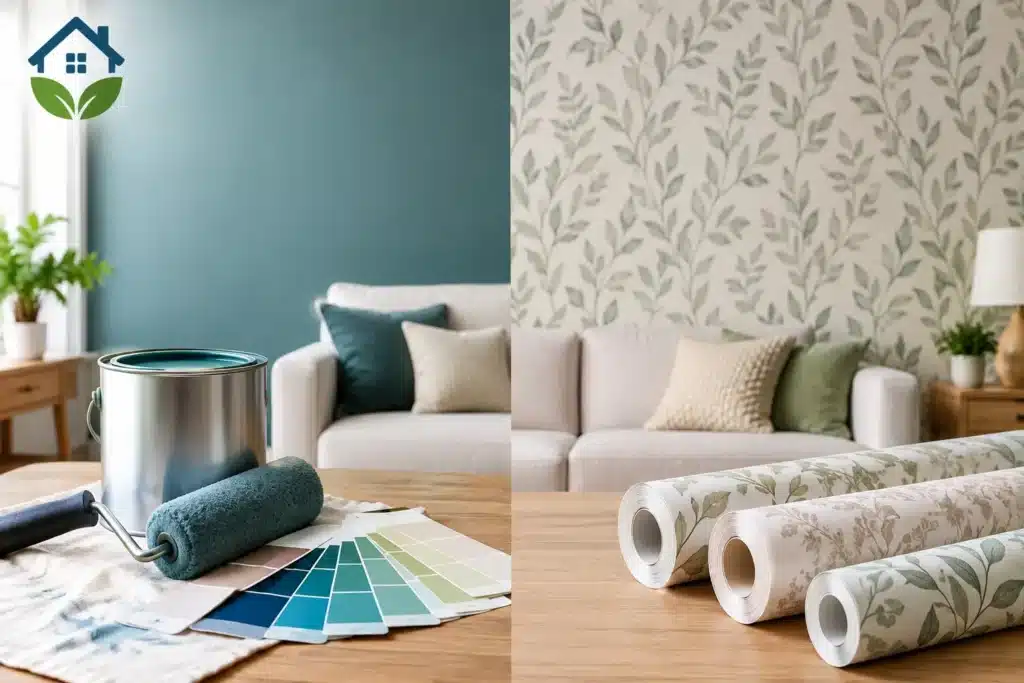

A dark hallway, a dated dining room, or a nursery that no longer fits your family can make the paint-or-wallpaper decision feel bigger than it should. Interior paint versus wallpaper is not simply a matter of choosing a color or pattern. The right answer depends on the room’s condition, how you use it, your budget, and whether you want a change that will be easy to update a few years from now.
For many Denver-area homeowners, paint is the practical starting point because it is flexible, repairable, and works with nearly every style of home. Wallpaper can be a smart choice, too, particularly when you want a deliberate design feature that paint cannot replicate. The key is choosing a finish that looks good on day one and still makes sense when life, pets, kids, guests, and future plans for the home enter the picture.
Interior Paint Versus Wallpaper: Start With the Room
A room’s purpose should guide the decision before trends do. Paint works especially well in busy, high-touch spaces such as hallways, living rooms, bedrooms, kitchens, and stairwells. Scuffs, nail holes, and minor wall damage are straightforward to patch and repaint. If a child draws on the wall or furniture leaves a mark during a move, touchups are usually manageable with the correct product and sheen.
Wallpaper is often best used where its visual impact has room to shine. Powder rooms, entryways, dining rooms, home offices, and accent walls are common choices. A small powder room can handle a bolder botanical print or geometric paper without overwhelming the house. In a dining room, wallpaper can add depth and character without requiring a major renovation.
Moisture matters. Quality wallpaper and proper installation can perform well in a ventilated bathroom, but a bathroom with recurring steam issues, failing caulk, or poor exhaust ventilation needs those problems addressed first. Paint is generally the lower-risk choice for kitchens, laundry rooms, and bathrooms where splashes, humidity, and frequent cleaning are part of daily use.
Upfront Cost Is Only Part of the Budget
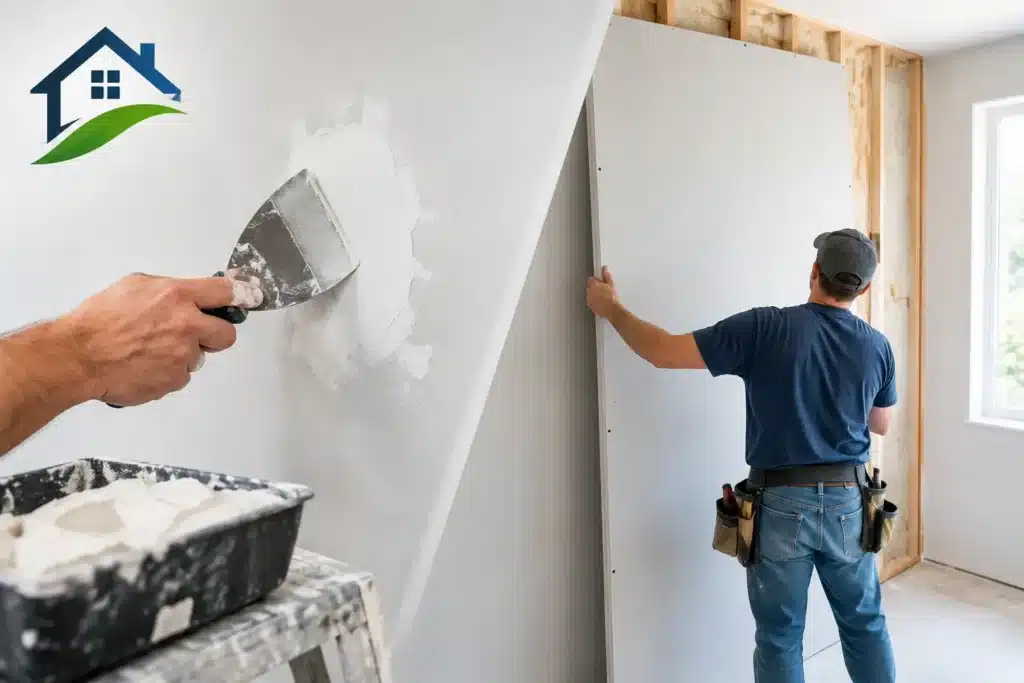
Interior painting usually costs less initially, especially when walls are in good condition and the project involves standard colors and finishes. Material costs are predictable, and a professional crew can cover large areas efficiently. The final estimate should account for preparation, including drywall repairs, patching, sanding, caulking, priming, and protection for floors and furnishings.
Wallpaper varies much more widely. The paper itself can range from economical to premium, and installation is labor-intensive. Walls must be smooth, clean, dry, and properly prepared. Pattern matching, seams, corners, outlets, and trim all require precision. A detailed pattern often creates more waste than a plain paper, which affects material quantities and cost.
Removal is the expense homeowners most often overlook. Some modern wallpapers are designed to strip more easily, but older paper, multiple layers, or improperly installed adhesive can make removal slow and messy. It may also pull at the drywall face paper or expose old patches, which then need repair and priming before the wall can be painted.
That does not mean wallpaper is automatically a poor value. In the right small space, it can deliver a high-design result that would be difficult to achieve with paint alone. It is simply a finish that should be selected with a longer-term plan in mind.
Wall Condition Can Decide the Project
Paint is forgiving, but it is not magic. Hairline cracks, uneven patches, peeling coatings, water stains, and mismatched textures will still show through a fresh coat if the preparation is skipped. The sheen can make a difference as well. Higher-sheen paints are easier to wipe down, but they reflect more light and can reveal surface flaws. Flat and matte finishes hide minor imperfections better, while eggshell and satin offer a practical balance for many living areas.
Wallpaper requires a higher level of wall uniformity. Raised drywall texture, loose joint tape, dents, and uneven repairs can telegraph through the paper. Textured walls may need to be skim-coated and sanded smooth before wallpaper installation. That preparation adds cost, but it is what prevents a patterned wall from looking bumpy or poorly adhered.
If a wall has a history of water intrusion or staining, find and correct the source before either finish goes on. Fresh paint and new wallpaper can cover evidence temporarily, but neither solves a leak, condensation issue, or exterior problem. Good finish work begins with sound, dry surfaces.
Style, Flexibility, and Resale Considerations
Paint gives you broad flexibility. A carefully chosen neutral can make a home feel brighter, cleaner, and more connected from room to room. For sellers, fresh paint is often one of the most cost-effective ways to improve presentation before listing. It photographs well, helps buyers focus on the home rather than its previous owner’s style, and makes rooms feel maintained.
That does not mean every room needs to be beige or gray. Deep green, warm blue, clay, charcoal, and other richer colors can work beautifully when they support the home’s lighting, flooring, cabinetry, and architecture. Paint also makes it easier to take a color risk. If you tire of it, repainting is usually far simpler than removing paper.
Wallpaper makes a stronger personal statement. It can add texture, historical character, a hand-painted look, or a graphic focal point that paint cannot fully imitate. For homeowners planning to stay put, that can be exactly the point. For a home headed to market soon, use wallpaper selectively. A well-installed, broadly appealing accent can help a space stand out. A highly specific pattern across several large rooms may narrow the buyer pool.
Durability Depends on Product and Maintenance
Neither option is maintenance-free. Painted walls benefit from washable, quality coatings in areas that receive fingerprints and traffic. Cleaning should be gentle, especially with flatter sheens. Keep leftover labeled paint after the project is complete so small touchups match as closely as possible.
Washable vinyl or vinyl-coated wallpaper can hold up well in the right setting, but seams and edges need care. Repeated moisture, harsh cleaners, or a curious pet can damage the paper in ways that are harder to disguise than a paint scuff. Replacing one damaged wallpaper section is possible only when extra material is available and the batch still matches. Sun exposure can also fade both finishes over time, although high-altitude Colorado sunlight is more of a concern near large, unshaded windows than on interior walls away from direct light.
For families who expect frequent changes, paint is typically the more practical finish. For a low-traffic room where the goal is atmosphere and detail, wallpaper can remain attractive for many years.
A Practical Way to Make the Choice
Choose paint when you want an affordable refresh, expect to change colors over time, need easy repairs, or are preparing to sell. It is also usually the better answer for walls with light texture, active households, and large open spaces where a pattern could feel busy.
Choose wallpaper when the room is dry, properly prepared, and small enough or defined enough to benefit from visual drama. It is a strong choice for an accent wall, a powder room, or a formal space where the finish is less likely to be bumped, scrubbed, or frequently changed.
You can also use both. Paint the majority of the home in coordinated colors, then reserve wallpaper for one intentional feature area. This approach controls cost, keeps future updates manageable, and creates a memorable detail without committing every wall to a pattern.
A professional walkthrough can help identify the work behind the finish choice, from drywall repair and texture matching to primer needs and the right paint sheen. Majestic Painting Company can provide an itemized estimate so you can see what preparation, materials, and labor are needed before the project begins.
The best finish is the one that fits how you actually live in the room. Choose paint when flexibility and easy upkeep matter most. Choose wallpaper when a space deserves a lasting design moment and the walls are ready to support it. Either way, careful preparation is what makes the final result look intentional instead of temporary.