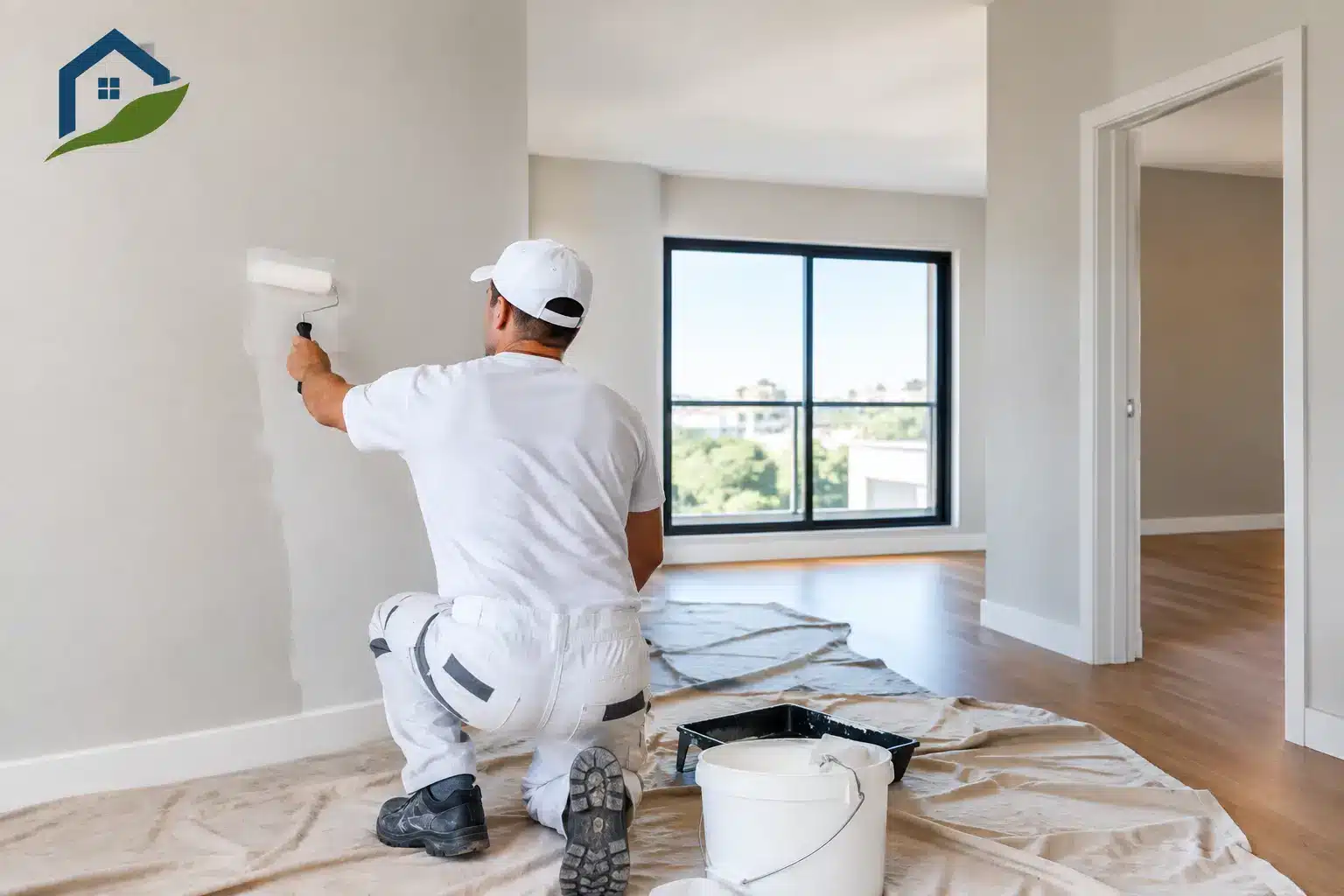

A vacant rental can start costing money the moment the prior tenant turns in the keys. Rental turnover painting is one of the fastest ways to reset a unit, address visible wear, and present a clean home to prospective tenants without taking on more work than the property actually needs.
The right approach is not automatically painting every surface from floor to ceiling. Some turnovers need a full repaint after years of use. Others need focused wall repair, spot priming, fresh paint in the main living areas, and better attention to trim, doors, and high-touch surfaces. A clear walkthrough helps property owners make that call before the schedule gets tight.
Start With a Turnover Walkthrough, Not a Paint Color
A rushed paint job often starts with a rushed decision. Before materials are ordered, walk the unit in good daylight and document what needs attention. Look beyond scuffs on the walls. Nail holes, furniture dents, moisture stains, failed caulk, damaged baseboards, loose handrails, and worn door frames can all make a freshly painted rental still feel neglected.
It helps to separate normal wear from work that requires repair. Light marks may clean up or need only touchup paint. Deep gouges, drywall cracks, peeling coatings, and water damage need correction before new paint goes on. Painting over a problem may improve the appearance briefly, but it rarely holds up through the next lease.
For a typical turnover, review these areas together:
- Walls and ceilings for stains, holes, cracks, and mismatched touchups
- Baseboards, trim, doors, and cabinets for chips, grime, and impact damage
- Bathrooms and kitchens for failing caulk, moisture damage, and mildew staining
- Exterior entries, railings, and porches when curb appeal affects leasing
- Floors, screens, gutters, or minor repairs that can be completed during the same vacancy window
A coordinated scope can prevent multiple contractors from making separate trips into an empty unit. If drywall repair, trim replacement, screen repair, or a small maintenance upgrade is needed, completing it before the final paint coat keeps the project organized and avoids rework.
Decide Whether Rental Turnover Painting Should Be Full or Targeted
The practical question is not, “Can this unit be painted?” It is, “What level of work will protect the property and help it rent well?” The answer depends on the condition of the unit, the length of the prior tenancy, the quality of previous paintwork, and the market position of the property.
A full repaint is often worthwhile when the existing color is heavily personalized, walls have broad discoloration, touchups no longer blend, or several rooms show wear. It is also a smart move after a long-term tenancy, especially when the unit needs to compete with recently updated rentals nearby.
Targeted painting can be the better budget decision when most finishes remain in good condition. Repainting an accent wall, refreshing an entry, repairing a few damaged sections, and recoating doors and trim can make the entire property feel cared for. The key is avoiding obvious patches. A professional will assess whether a spot repair can blend into the existing coating or whether the wall, room, or adjoining area should be repainted for a consistent finish.
Ceilings deserve separate consideration. They are not always part of a turnover scope, but smoke residue, cooking stains, water marks, or an uneven older finish can make clean walls look less effective. If there is an active leak or moisture issue, correct the source first. Stain-blocking primer is useful only after the underlying problem is resolved.
Put Repairs Before Paint on the Schedule
Paint is the finish layer, not the repair plan. Good preparation is what makes a turnover paint job look clean at move-in and continue looking good after furniture is moved back into the space.
Drywall repairs should be patched, sanded, textured where needed, and primed before the final coat. Cracked caulk around trim should be removed and replaced rather than painted over. Damaged siding, rotten trim, or loose exterior boards need repair before exterior coatings are applied. In Denver-area rentals, wide temperature swings and dry conditions can expose gaps, failed caulk, and aging exterior materials faster than owners expect.
Preparation also includes cleaning. Grease in kitchens, hair products in bathrooms, fingerprints around doors, and residue near switch plates can interfere with adhesion. Quality paint cannot compensate for a contaminated surface. Proper cleaning, sanding where necessary, and priming repairs create a finish that is more even and easier to maintain.
Choose Colors and Finishes for Maintenance, Not Just Move-In Photos
Neutral does not have to mean bland. Warm whites, soft greiges, light taupes, and muted grays can make a rental feel bright and current while giving future tenants a flexible backdrop. The best choice depends on the property’s natural light, flooring, countertops, and trim color.
Consistency matters even more than chasing a trend. Using a repeatable color palette across units makes touchups and future turnovers easier to manage. Keep a record of the manufacturer, color name, sheen, and product used in each unit. That small step can save time and prevent a frustrating mismatch two years later.
Sheen selection should match how the room is used. Flat paint can hide minor wall texture but is harder to clean. Eggshell or satin is often a practical choice for living areas, depending on the product and wall condition. Bathrooms, kitchens, and high-traffic hallways typically benefit from a more washable finish. Semi-gloss is commonly used for trim and doors because it handles frequent cleaning well, although too much shine can emphasize dents and poor prep.
There is a trade-off with highly washable coatings: they can reveal more surface imperfections if the walls are not repaired carefully. A contractor should recommend products based on the unit’s condition and expected use, not simply select the most expensive paint on the shelf.
Build the Work Around the Vacancy Window
Turnover work has a different rhythm than a homeowner project. Leasing, cleaning, maintenance inspections, flooring work, and incoming tenants can all compete for the same few days. Clear communication is as valuable as fast painting.
Before work begins, establish access arrangements, the scope for each room, the order of repairs, paint colors, finish selections, and the target completion date. An itemized estimate helps owners see what is included and decide where to invest. It also identifies work that may be optional, such as repainting an undamaged bedroom or upgrading worn cabinet finishes.
Scheduling should account for drying time, not just application time. Fresh drywall patches, primer, paint coats, caulk, and repairs all need appropriate curing time. Trying to compress every step can lead to flashing, sticking doors, damaged trim, or marks in paint that has not fully set.
For owners managing several properties, a dependable contractor can also provide useful continuity. Majestic Painting can coordinate painting with drywall repair, trim work, exterior maintenance, and other targeted improvements so the unit is not delayed by a string of disconnected service calls.
Do Not Skip the Final Quality Check
The last walkthrough should happen before cleaners finish and before a new tenant receives access. Check walls from different angles, especially near windows and overhead lighting. Look for missed nail holes, paint drips, thin coverage around repairs, rough caulk lines, paint on hardware, and inconsistent sheen.
Confirm that doors open freely, switch plates are reinstalled neatly, and any repaired area has a consistent texture. If the unit was painted after a tenant moved out, compare the completed work to the original scope rather than relying on memory. A defined final check gives everyone a chance to address small details while the crew and materials are still available.
Rental turnover painting works best when it is treated as part of property maintenance rather than a last-minute cosmetic expense. A clean, well-repaired unit sets a better first impression, supports the condition of the property over time, and gives the next tenant a home that feels ready on day one.