
A Colorado hailstorm can leave a property looking mostly normal from the sidewalk while causing damage across the roof, gutters, paint, trim, siding, and screens. Knowing how to document hail damage before cleanup or repairs begin gives you a clearer record of what happened and helps prevent small issues from being missed.
The best documentation is not complicated. It is timely, organized, and detailed enough that an insurance adjuster or repair professional can understand the condition of your property without guessing. Start after the storm has passed and it is safe to go outside. Do not climb onto a roof, walk beneath unstable branches, or handle damaged electrical equipment.
Start With the Date, Location, and Storm Details
Begin a simple storm-damage file as soon as possible. Write down the date and approximate time of the hailstorm, the property address, and what you observed. Include the estimated hail size if you know it, along with wind, heavy rain, or any other conditions that occurred.
This first note establishes a useful timeline. If you noticed water entering a room, a dented gutter, or paint chips on window trim immediately after the storm, record that too. Photos are valuable, but written observations add context that an image alone may not show.
If your neighborhood experienced a widely reported storm, save any weather alerts or news notices you received. These should support your own documentation, not replace it. Your claim is based on the condition of your property.
Photograph the Property Before You Clean Up
Take photos as soon as conditions are safe. Use your phone’s standard camera setting and make sure date and time information are enabled if possible. Avoid filters, portrait mode, or editing that changes the appearance of damage.
Start with wide shots from the street and around the full property. Photograph each side of the house, the driveway, landscaping, detached structures, fencing, and any vehicles that were affected. These overview photos show the setting and help establish where close-up damage occurred.
Then move closer. Photograph dents, cracked paint, chipped finishes, split wood, torn screens, damaged window glazing, bent gutters, dented downspouts, and damaged exterior fixtures. Take several angles of each issue. A straight-on image may show paint loss clearly, while an angled image may make a dent or indentation easier to see.
For close-ups, include a common size reference when practical. A tape measure, ruler, coin, or household item can help show scale. Do not place anything on a fragile roof surface or use a size reference in a way that obscures the damage.
Focus on the Areas Hail Often Damages
Hail damage is not limited to shingles. On Front Range homes, a thorough ground-level inspection should include painted siding and trim, gutters, downspouts, fascia, soffits, screens, window frames, doors, outdoor lighting, garage doors, deck rails, fences, and air-conditioning equipment.
Pay special attention to areas where paint or caulk was already worn. Colorado’s high-altitude UV exposure and freeze-thaw cycles can weaken exterior coatings and sealants. Hail can chip a painted surface or crack a joint that was already under stress, opening a path for moisture. That does not automatically mean every worn area is storm damage, but it does mean the condition should be documented and evaluated carefully.
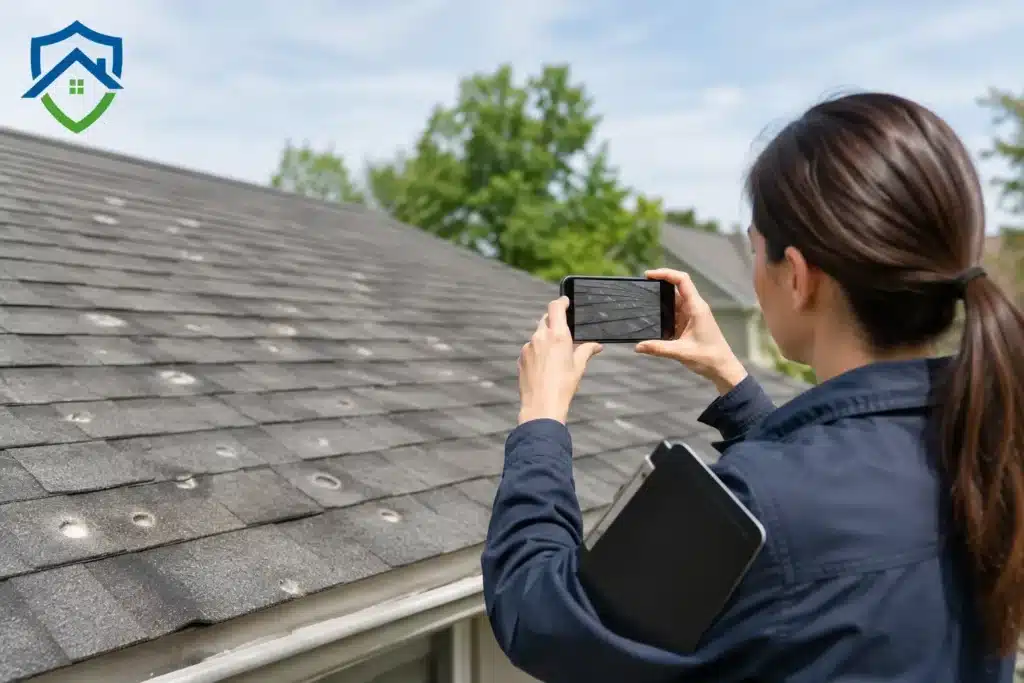
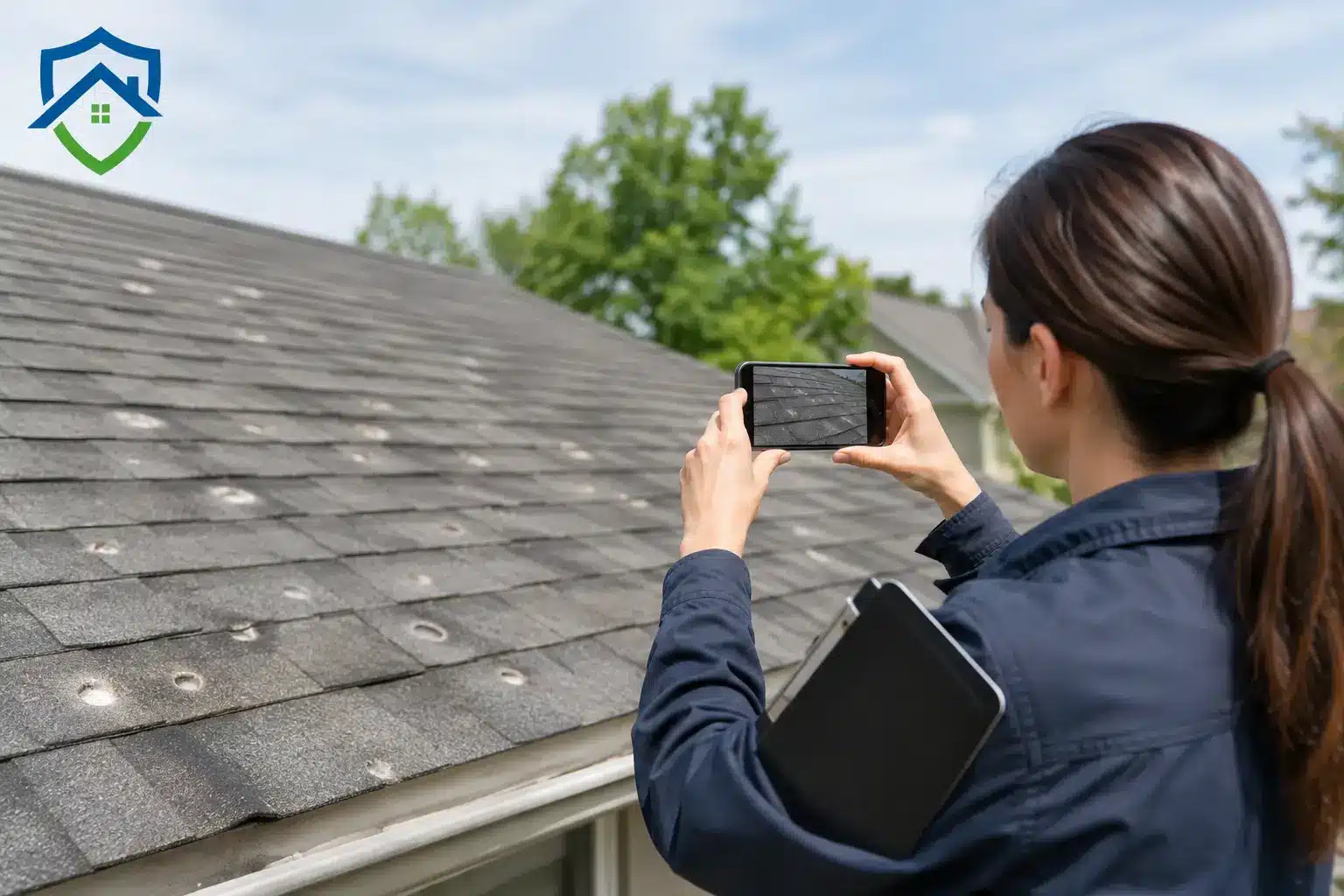
Roof damage can be difficult to identify safely from the ground. Photograph what you can see from multiple positions, including roof edges, vents, flashing, skylights, and gutters. Leave a close roof inspection to a qualified, insured professional with the proper equipment.
Capture Video for Context
Short video clips can complement still photographs. Walk slowly around the property and narrate what you are seeing: “Dent in the east-side gutter below the bedroom window” or “Paint chipped from trim on the south-facing garage corner.” Keep each clip focused on one area.
Video is especially helpful for showing the location of damage relative to windows, rooflines, and downspouts. It can also document active leaks, loose gutters, or water running where it should not. Do not use video as a substitute for detailed photos. Still images are often easier to review, label, and attach to a claim file.
Make a Room-by-Room Interior Check
A hailstorm can cause exterior damage without creating an immediate indoor problem. Still, check the interior promptly, particularly after heavy rain. Look at ceilings, exterior walls, attic access points, window frames, and areas near skylights for water stains, damp drywall, bubbling paint, peeling texture, or a musty smell.
Take photos of anything unusual, even if it seems minor. Record the room, exact location, and when you first noticed it. If water is actively entering the home, take reasonable steps to limit further damage, such as placing a container beneath a drip or moving furniture away from wet areas. Save receipts for emergency materials or temporary protective work.
Do not paint over a stain, patch damaged drywall, or replace exterior materials before your insurer has had a chance to review the damage, unless immediate work is necessary to prevent additional loss. If emergency repairs are needed, photograph the condition before, during, and after the work.
Organize Your Photos and Notes Clearly
A phone full of unlabeled photos becomes hard to use weeks later. Create one folder for the storm and sort images by area: roof and gutters, siding and trim, windows and screens, garage and fencing, interior, and temporary repairs. Rename files if your device allows it, using plain descriptions such as “north-gutter-dent” or “living-room-ceiling-stain.”
Keep a running written list of observed damage. For each item, note the location, the type of damage, and whether it appears to be worsening. For example: “West elevation, second-floor window trim: paint chipped and wood exposed after hailstorm.” That detail helps distinguish a general maintenance need from a specific, documented storm-related issue.
It is also smart to gather pre-storm photos if you have them. Real estate listing photos, pictures from a recent exterior project, or family photos taken in the yard may show the prior condition of a fence, roofline, or painted exterior. Do not worry if you do not have them. Current, timely documentation remains valuable.
Request a Detailed Professional Assessment
Insurance carriers may send an adjuster to inspect the property. You can also ask a qualified contractor to evaluate visible damage and prepare a written estimate for necessary repairs. A useful estimate identifies the affected areas, describes the scope of work, and separates repairs from cosmetic upgrades that may not be part of a claim.
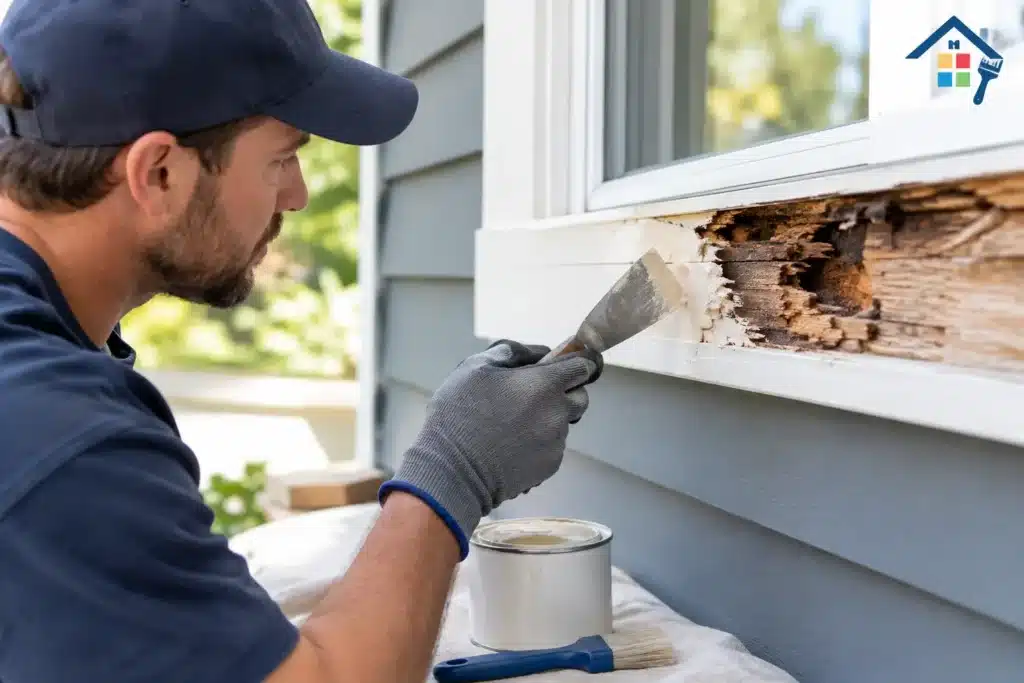
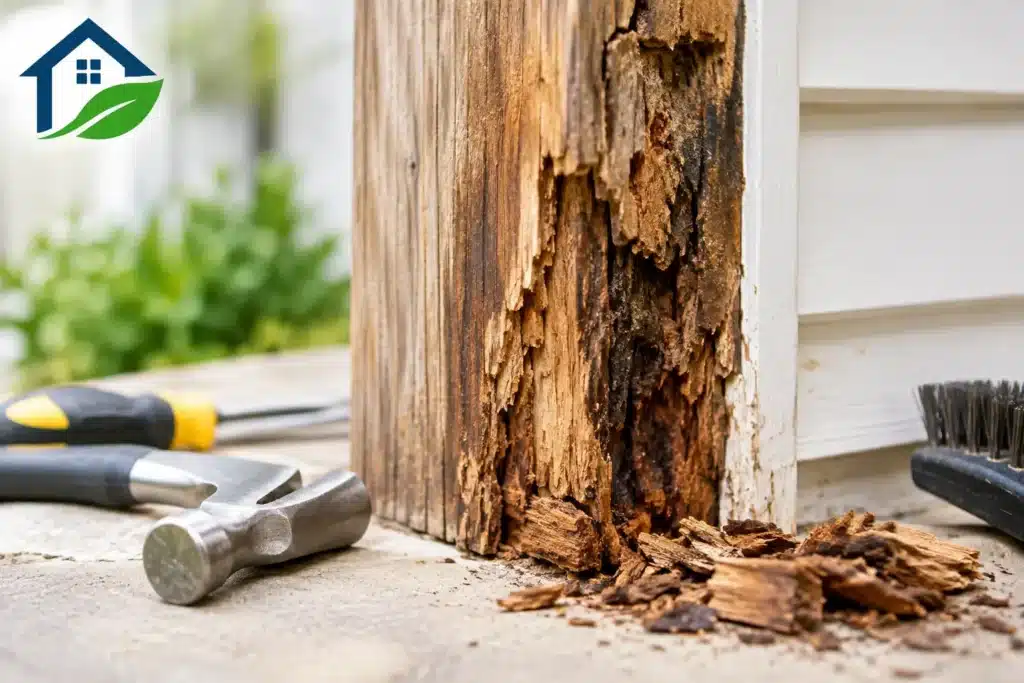
This is where details matter. If hail has damaged painted trim and exposed bare wood, the repair may involve more than repainting. Soft or rotted material may need replacement, damaged caulk may need removal and renewal, and adjacent surfaces may require preparation so the finish looks consistent and holds up over time.
For a coordinated exterior assessment, Majestic Painting Company can document damage to paint, trim, siding, gutters, drywall, and related surfaces, then provide an itemized written estimate. That gives homeowners a practical repair scope to discuss with their insurer while keeping repairs organized under one schedule.
Avoid Common Documentation Mistakes
The most common problem is waiting too long. Hail marks can become less visible after dirt, rain, or routine maintenance, and delayed reporting can make the timeline harder to establish. Photograph the property promptly, even if you are not sure you will file a claim.
Another mistake is taking only close-up photos. A close-up proves that something is damaged, but it may not show where it is or how it relates to the rest of the property. Pair close photos with wide shots from the same area.
Finally, do not accept vague repair descriptions. “Fix exterior damage” is not enough for a clear scope. Ask for specific areas, materials, preparation steps, and quantities where applicable. A transparent estimate makes it easier to understand what is being repaired and why.
Keep the Record Until Repairs Are Complete
Save all correspondence, claim numbers, inspection notes, estimates, invoices, receipts, and final repair photos in the same file. If your insurer approves work, compare the approved scope with the contractor’s estimate before scheduling. Differences do not always mean someone is wrong, but they should be clarified before work begins.
After repairs, photograph the completed areas and retain your workmanship documentation. A well-kept record can be useful if questions arise later, when selling the property, or when planning future exterior maintenance.
A prompt, honest record gives you the best starting point after a storm. Photograph what you can safely see, document conditions clearly, and bring in qualified help for the areas that need a closer look.