
A fresh coat of paint can make damaged trim look better for a season, but it cannot stop rot that is already spreading behind the surface. So, can painters repair wood rot? The honest answer is yes, sometimes – but the right solution depends on how far the moisture damage has gone and what caused it in the first place.
For Denver-area homes, wood rot often shows up on window trim, fascia, soffits, siding edges, porch posts, and door frames. High-altitude sun dries out caulk and paint, while hail and freeze-thaw cycles open small paths for water. If the damaged material is painted without correcting those openings, the same issue usually returns.
Can Painters Repair Wood Rot or Does It Need Replacement?
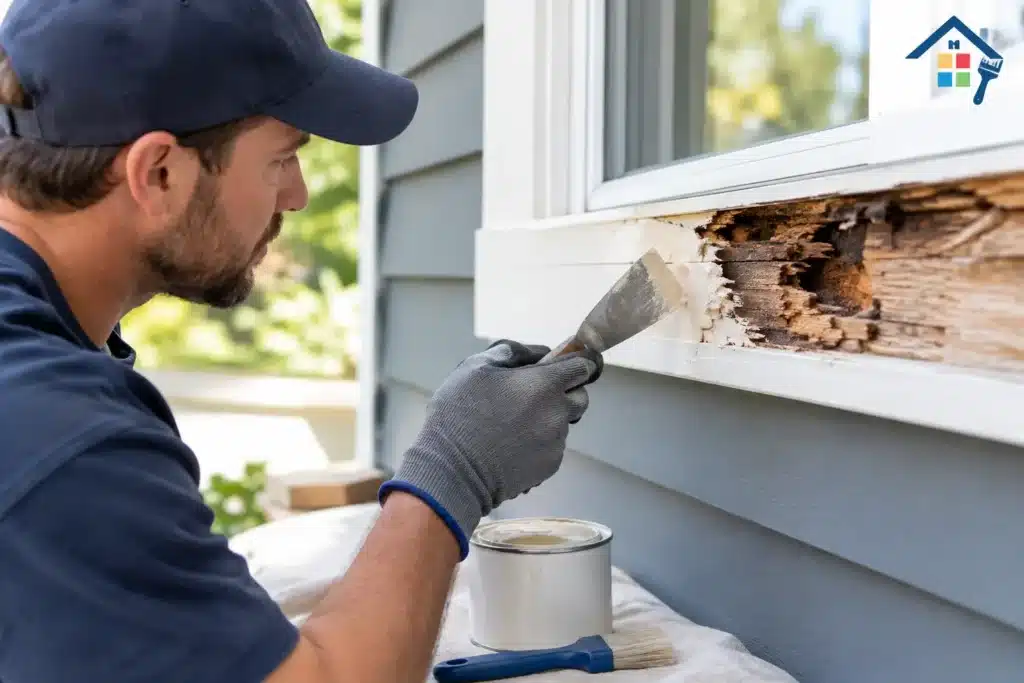
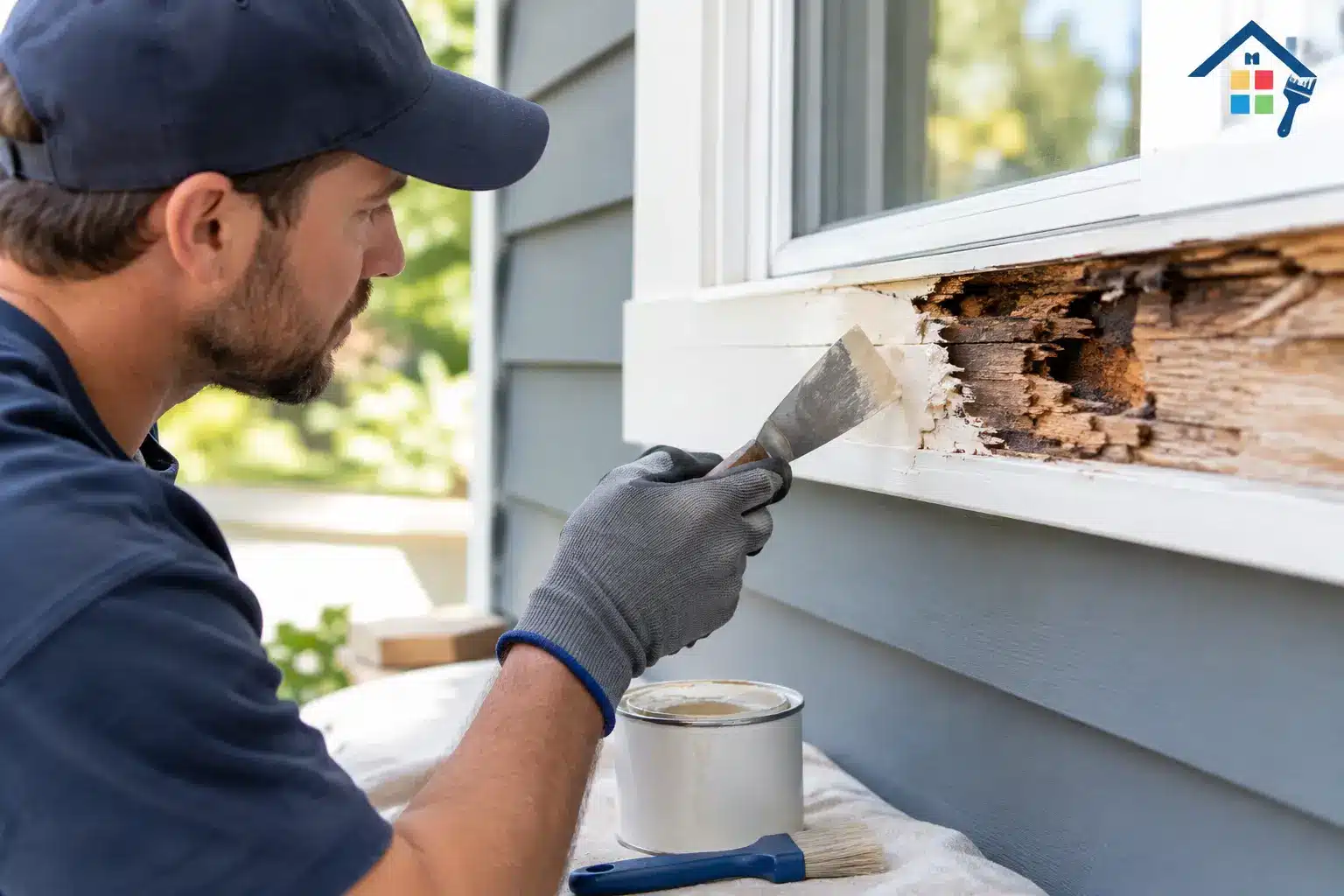
A qualified painting contractor can handle many targeted wood repairs, especially when the damage is limited to a small, dry, stable area. This may include removing softened material, treating the remaining sound wood, rebuilding shallow sections with a quality exterior wood epoxy or filler, sanding the repair smooth, priming it, caulking joints, and applying a protective paint system.
That approach works best for minor surface deterioration. A small split at the end of a trim board or a shallow soft spot on otherwise solid wood may be a good candidate for repair. Done carefully, the finished area can blend in well and provide years of service.
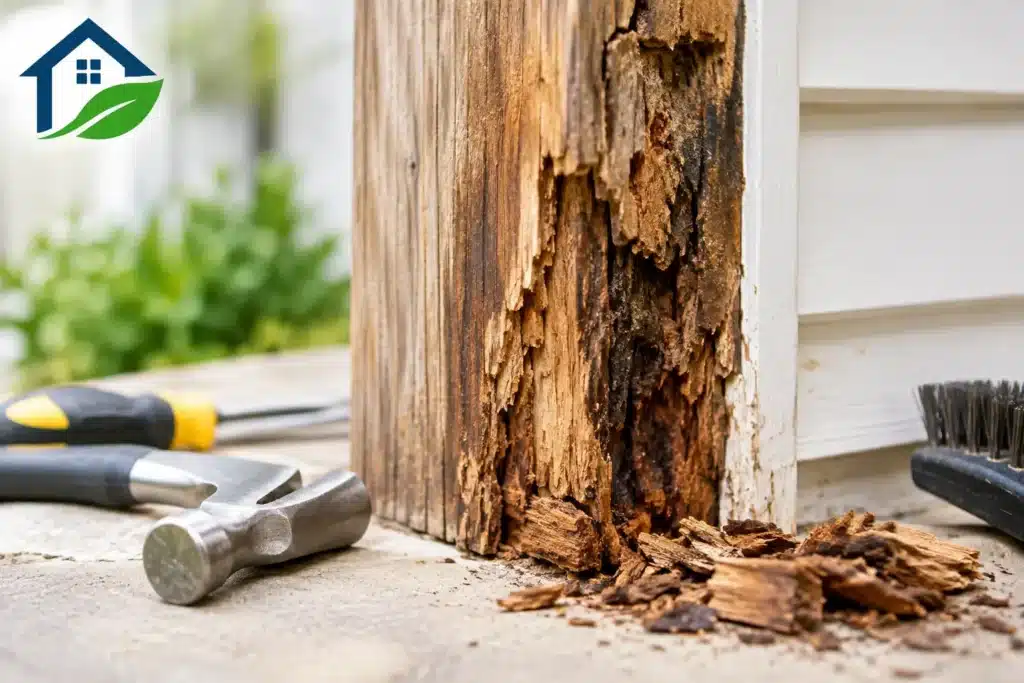
Replacement is the better answer when wood has become soft deep below the surface, crumbles under light pressure, or has lost its ability to hold nails and screws. Long sections of damaged fascia, warped siding, deteriorated window trim, and rotted porch components are generally not problems to cover with filler. They need to be removed and replaced with sound material before painting begins.
The distinction matters because paint is a finish, not a structural repair. It protects prepared surfaces from weather, but it cannot restore the strength of decayed wood.
Signs the Damage Is More Than Cosmetic
Homeowners often spot rot after paint begins peeling or bubbling, but those clues alone do not tell the whole story. Paint can fail because of poor prep, moisture trapped behind a board, or age. A hands-on inspection is more useful.
Watch for wood that feels spongy when pressed, cracks along joints, dark staining that keeps returning, separated caulk lines, boards that look swollen, or trim that flakes away when probed. Window sills and the bottom edges of vertical trim deserve special attention because water naturally collects there.
If rot is close to the ground, near a roofline, or around an opening, the source of moisture should be investigated before repairs are approved. A leaking gutter, missing drip edge, failed flashing, sprinklers aimed at the house, or an improperly sloped surface can keep damaging new material just as quickly as the old.
What a Proper Wood Rot Repair Looks Like
The repair should start with diagnosis, not paint colors. During an exterior walkthrough, an experienced crew should identify the damaged boards, test nearby areas, and look for the reason water got in. This gives the homeowner a clear scope rather than a vague promise to “patch it up.”
For localized damage, the crew removes all decayed wood until it reaches firm material. The area must be dry before epoxy or filler is applied. After the repair cures, it is shaped and sanded to match the trim profile as closely as possible. Bare wood and repaired areas receive an exterior-rated primer, followed by flexible caulk at appropriate seams and paint suited to the surface.
When replacement is necessary, the damaged trim or siding is removed without harming surrounding areas. New boards are installed, fastened correctly, primed where needed, caulked at joints, and integrated into the rest of the paint preparation. Depending on the material and location, a contractor may recommend wood, engineered trim, or another product that better handles repeated moisture exposure.
There is a trade-off. A small repair is usually less expensive upfront and makes sense when the surrounding board is healthy. Replacement costs more at the beginning, but it can be the better value when a larger section is compromised. An itemized estimate should explain which option is being proposed and why.
Why Painting Over Rot Is a Costly Shortcut
It is tempting to accept the lowest painting bid, especially when a house is being prepared for sale or an exterior has several maintenance needs. But simply scraping loose paint, applying caulk, and coating rotted boards can create a clean appearance without addressing the damage underneath.
That shortcut may fail quickly. The repaired-looking surface can crack as the wood continues to deteriorate, moisture can reach adjacent materials, and a small trim issue can become a larger siding or window-area repair. For sellers, hidden damage can also complicate inspection negotiations.
A sound scope separates surface prep from carpentry work. It should state which boards will be repaired or replaced, how many linear feet are involved when applicable, what prep is included, and whether gutter or drainage corrections are recommended. That level of detail helps homeowners compare bids fairly.
Colorado Weather Makes Prevention Part of the Job
Colorado exteriors face a combination of intense UV exposure, sudden storms, hail, snow, and fast temperature swings. Paint and caulk are part of the home’s weather barrier, so maintenance is not only about curb appeal.
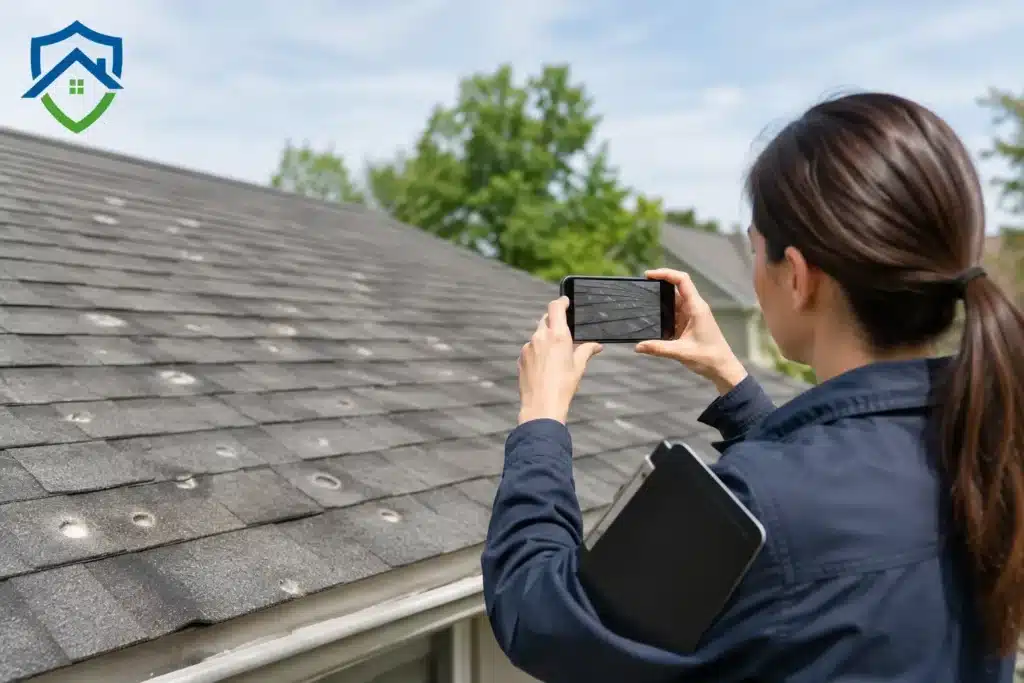
Keeping gutters clear and properly pitched helps prevent water from backing up onto fascia. Replacing cracked caulk around trim and penetrations before it fails can limit moisture entry. Promptly touching up hail chips or exposed bare wood also matters, particularly on south- and west-facing elevations where the sun is hardest on coatings.
A periodic exterior inspection can catch issues early. Look closely after a hailstorm, after a winter with heavy snow accumulation, or when you notice peeling paint concentrated in one area. One failing board does not always mean the whole exterior needs replacement, but it is worth finding out why that board failed.
Questions to Ask Before Approving the Work
Before hiring a painter for suspected rot, ask whether the company performs the needed carpentry or coordinates it as part of the project. Ask how the crew determines whether a board can be repaired, what material will be used for replacement, and how moisture sources will be addressed.
You should also know whether the written estimate separates repair costs from painting costs. That makes it easier to adjust the scope if the inspection uncovers additional damage after work begins. A dependable contractor will communicate those findings before proceeding, not surprise you at the final invoice.
Product choices deserve a conversation as well. Exterior primers, caulks, and finish coats must work together and fit the material being painted. Quality products from established manufacturers such as Sherwin-Williams or Benjamin Moore can perform well, but correct preparation and application are what allow them to do their job.
A Better Way to Plan Exterior Repairs
The best painting projects treat wood rot as a home-maintenance issue first and a color issue second. At Majestic Painting Company, Inc., the goal is to identify damaged trim or siding, correct the practical cause where possible, complete needed repairs, and then apply a finish that protects the work.
Whether a small area can be repaired or a board should be replaced, an on-site assessment gives you the information to choose confidently. Ask for a clear written scope, realistic timing, and options that fit your budget. When the repair is done before the paint goes on, the finished exterior has a much better chance of looking good and staying protected through Colorado’s next round of sun, snow, and storms.