
A paint color can look completely different once the sheen changes. When homeowners ask about matte satin walls, they are usually deciding between two finishes with very different strengths: matte gives walls a soft, low-reflection appearance, while satin adds a subtle sheen and more day-to-day durability. The right answer depends less on trends and more on the condition of your walls, how the room is used, and how much cleaning it will need.
For many Denver-area homes, the best interior painting plan is not one sheen throughout the house. A matte finish may make sense in a quiet primary bedroom or formal living room, while satin earns its place in a busy hallway, children’s room, kitchen, or bathroom. Choosing well before painting helps the finished room look intentional and prevents frustration after the first scuff or wipe-down.
Matte Satin Walls: The Real Difference
Paint sheen refers to how much light a painted surface reflects. Matte paint, sometimes labeled flat or matte finish depending on the product line, reflects very little light. Satin reflects more light, but it is still far from shiny. It has a gentle, velvety glow rather than the noticeable shine of semi-gloss.
That difference affects more than appearance. Matte paint is forgiving on imperfect surfaces because low reflectivity keeps small drywall flaws from standing out. Satin paint is generally more washable and holds up better to touching, cleaning, and regular traffic. Its slight reflection can also make wall texture, patching, roller marks, or uneven repairs easier to see.
Neither finish is automatically better. A smooth wall in a low-traffic room can look excellent in either one. A wall with older texture, patch repairs, or lots of natural side light deserves a closer look before selecting a sheen.
When Matte Paint Is the Better Choice
Matte is often chosen for its calm, upscale appearance. It absorbs light rather than bouncing it around the room, which gives deep colors a particularly rich look and keeps pale colors from feeling overly reflective. In homes with large windows, this can reduce glare during Colorado’s bright, high-UV days.
It is also a practical option for walls that are not perfectly smooth. Older homes, settling cracks that have been properly repaired, nail holes, and texture variations can be less noticeable with matte paint. This is one reason painters often recommend it for ceilings and for larger living spaces where light travels across a wall at an angle.
Matte works especially well in primary bedrooms, guest rooms, home offices, dining rooms, and formal living rooms that do not get frequent fingerprints or furniture scuffs. Modern premium matte paints have improved washability compared with older flat paints, but “washable” does not mean indestructible. Aggressive scrubbing can burnish the finish, leaving a shiny spot that is visible from certain angles.
If your household includes active children, large dogs, or a hallway that serves as the daily route to the garage, matte may require more touchups than you want. Touchup success also varies by product, color, wall condition, and how long the original paint has been on the wall. Keeping leftover labeled paint is helpful, but it is not a guarantee that a small repair will disappear.
When Satin Paint Makes More Sense
Satin is a reliable middle ground for rooms that need a finish with some toughness but do not need the high shine of semi-gloss. It is commonly used on walls in hallways, entryways, stairways, kitchens, bathrooms, laundry rooms, mudrooms, and children’s bedrooms. These are the areas where hands, backpacks, pet traffic, splashes, and routine cleaning leave their mark.
Because satin paint forms a more washable surface, it is often easier to clean gently with a soft sponge, mild soap, and water. That makes it a sensible choice for a kitchen wall near a breakfast area or a bathroom wall exposed to humidity. Proper prep still matters. Satin cannot cover stains, fix peeling paint, or compensate for poor drywall repairs.
The trade-off is visibility. Satin’s light reflection can expose wall imperfections that matte would soften. If drywall has cracks, dents, old patches, or mismatched texture, those repairs should be handled before painting. A careful contractor will inspect wall surfaces during the estimate, explain what needs repair, and include that work clearly in the scope rather than applying a fresh coat over a problem.
Consider the Room Before You Choose
A whole-house sheen can simplify purchasing, but it is not always the most practical choice. Think about what happens in the room instead of selecting paint based only on a sample board.
In a low-traffic bedroom, matte can create a relaxed finish that keeps the focus on the color and furnishings. For a family room, either finish can work. Matte is a strong choice when walls have minor imperfections and the room is moderately used; satin is worth considering when the space sees regular cleaning, pets, or young children.
Kitchens and bathrooms require more nuance. Satin is often preferred for its cleanability and moisture resistance, but surface preparation, ventilation, and using the right quality interior product matter just as much. In a poorly ventilated bathroom, no paint sheen can solve persistent moisture problems by itself. Addressing exhaust fans, leaks, or damaged drywall comes first.
Hallways and stairwells are high-touch zones, so satin typically offers better long-term value. For ceilings, a dedicated flat ceiling paint is generally the better choice because it minimizes glare and helps hide seams and minor surface inconsistencies.
Color Changes With Sheen
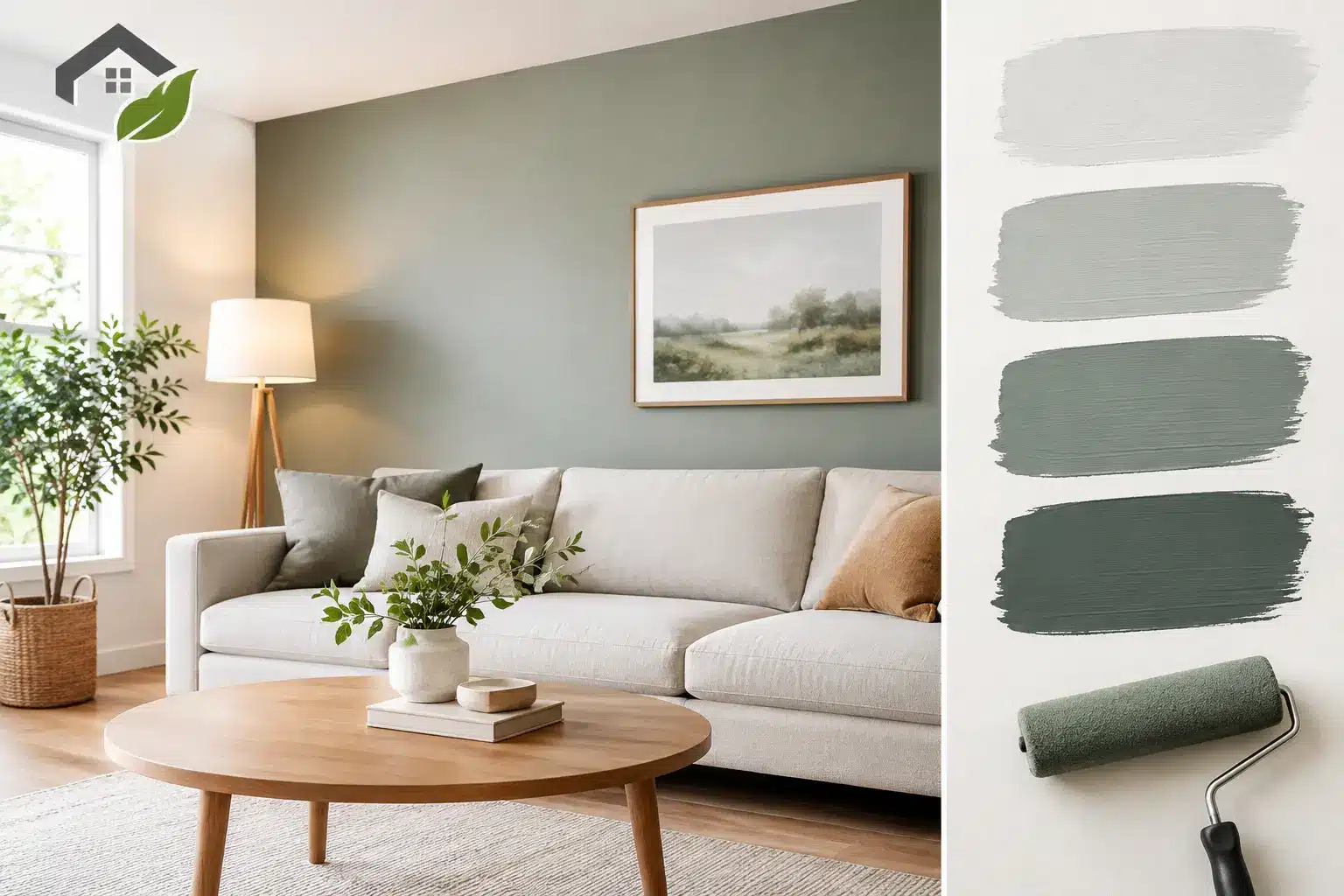
Always view paint samples in the exact sheen you are considering. The same gray, white, blue, or greige can appear lighter, darker, warmer, or cooler when moved from matte to satin. Satin reflects more light, so it can make a color seem a little brighter and can emphasize undertones that were less obvious in a matte sample.
This is especially noticeable with white paint. A crisp white in satin may look cleaner and slightly more reflective in a sunny room, while the same white in matte can feel softer and more muted. Dark colors deserve extra care as well. A deep navy or charcoal satin wall can look polished on flawless drywall, but patching and roller technique may show more readily than they would in matte.
Testing samples on more than one wall is worthwhile. Check them in morning light, afternoon light, and with your interior lights on at night. A color that looks right next to a window may read differently on an interior wall or near warm wood flooring.
Prep Determines How Either Finish Looks
Sheen choice matters, but preparation is what makes the final finish look professional. Walls should be cleaned where needed, loose material removed, holes and cracks repaired, patches sanded smooth, and texture matched before priming and painting. Glossy or stained areas may require additional prep or a specialty primer.
This is particularly important when switching from satin to matte. Matte will reduce reflection, but it will not hide a rough patch, damaged drywall paper, or an unrepaired crack. Switching from matte to satin raises the standard even further because more reflected light reveals more of the surface.
For a consistent finish, the painter should maintain a wet edge, use the correct roller nap for the wall texture, and apply the product at the recommended coverage rate. Thin coats and rushed cutting-in can create flashing, lap marks, or uneven sheen. Those issues are most visible in rooms with strong window light.
A Practical Way to Decide
Start with three questions: How often will the wall be touched or cleaned? How smooth is the drywall today? What kind of light hits the room? If cleaning and traffic are the bigger concern, satin is usually the safer choice. If surface forgiveness and a soft appearance matter most, matte is often the better fit.
During an on-site painting consultation, it helps to discuss the room’s actual use, not just its name. A “guest room” used once a year has different needs than a guest room that doubles as a playroom. A quiet home office and a busy home office with dogs brushing past the walls may need different finishes, too.
Majestic Painting Company can help homeowners compare sheen samples, identify drywall repairs before painting begins, and receive an itemized recommendation based on the room, product, prep, and budget. A clear plan upfront is much easier than repainting a wall after the finish proves too delicate or too reflective.
The best walls do not simply match a color card. They suit the way you live in the space, hold up to the traffic they receive, and still look right when afternoon sunlight reaches every repaired corner.