
A scuffed lobby wall, stained hallway, or peeling break-room coating sends a message before anyone reaches the front desk. The right commercial wall finishes protect the building, support daily cleaning, and make a space feel professionally maintained. The right choice is rarely just the most attractive paint color. It needs to fit how the space is used, who uses it, and what happens when it gets bumped, wiped, or exposed to moisture.
For offices, retail spaces, medical practices, multifamily common areas, and light-industrial properties, a practical finish plan can reduce recurring touchups without overspending on products that are unnecessary for the room.
Start With How the Wall Will Be Used
Commercial interiors do not have one set of demands. A private office may need a clean, low-glare painted finish, while a school corridor or apartment stairwell needs more resistance to carts, backpacks, handprints, and routine washing. A restaurant restroom has different moisture concerns than a reception area.
Before choosing a finish, consider the level of traffic, the likelihood of impacts, the cleaning products used by staff, and whether the wall is exposed to humidity or frequent temperature changes. Also consider the people using the space. A medical office may need surfaces that are easy to sanitize. A retail store may prioritize brand color and a polished appearance. A warehouse office may need walls that stand up to equipment, deliveries, and regular wear.
This is where a room-by-room approach makes sense. Using one paint and sheen everywhere can simplify purchasing, but it may create maintenance problems later. A more durable finish in high-contact areas and a cost-conscious finish in low-traffic rooms often provides better value.
Painted Commercial Wall Finishes
Paint remains the most common commercial wall finish because it is adaptable, repairable, and available in nearly any color. But paint performance depends on the product, sheen, prep work, and application. A premium coating applied over poorly repaired drywall will not hide surface defects or stop future peeling.
Flat and Matte Paint
Flat and matte coatings minimize glare and help conceal minor drywall imperfections. They are often a good fit for ceilings, executive offices, conference rooms, and other low-touch areas where a softer appearance matters.
The trade-off is cleanability. Some newer washable matte products perform well, but a basic flat paint can show burnishing or leave marks after aggressive scrubbing. In busy corridors and public-facing areas, flat paint may require more frequent touchups than a higher-sheen alternative.
Eggshell and Satin Paint
Eggshell and satin are practical middle-ground choices for many offices, hallways, waiting rooms, and tenant spaces. They offer more washability than flat paint while avoiding the noticeable shine of semi-gloss. Satin is especially useful when walls receive frequent hand contact or regular cleaning.
Sheen does reveal wall flaws more readily than flat paint. If a wall has nail pops, old patches, dents, or uneven texture, those repairs should be handled before painting. Careful drywall repair and texture matching are part of getting a finish that looks intentional rather than patched together.
Semi-Gloss and High-Performance Coatings
Semi-gloss coatings are commonly used on doors, trim, restrooms, utility rooms, and areas that need frequent cleaning. They resist moisture and wipe down well, but their reflective surface makes application flaws and wall defects easier to see.
In especially demanding locations, high-performance coatings may be worth the added cost. Options such as epoxy-based coatings or specialized scuff-resistant paints can make sense for service corridors, kitchens, mechanical rooms, institutional spaces, and areas subject to heavy abuse. They are not necessary everywhere, and some require more careful surface preparation, longer cure times, or stronger ventilation during application.
When Wallcovering, Panels, or Texture Make Sense
Paint is not the only option. Commercial wallcoverings, wall panels, and texture systems can solve problems that paint alone cannot, particularly in high-design settings or areas with repeated damage.
Vinyl wallcovering is a durable choice for hospitality spaces, healthcare settings, multifamily corridors, and upscale reception areas. It can add pattern, texture, and a more finished appearance while handling cleaning better than many painted surfaces. Installation quality matters. Poorly prepared walls, weak adhesive, or moisture behind the wall can lead to lifted seams and bubbling.
Wall protection panels are useful where carts, chairs, equipment, or high traffic routinely strike the walls. They are common in healthcare facilities, schools, commercial kitchens, and service areas. Panels can cost more upfront than paint, but they may lower repair needs in the right location.
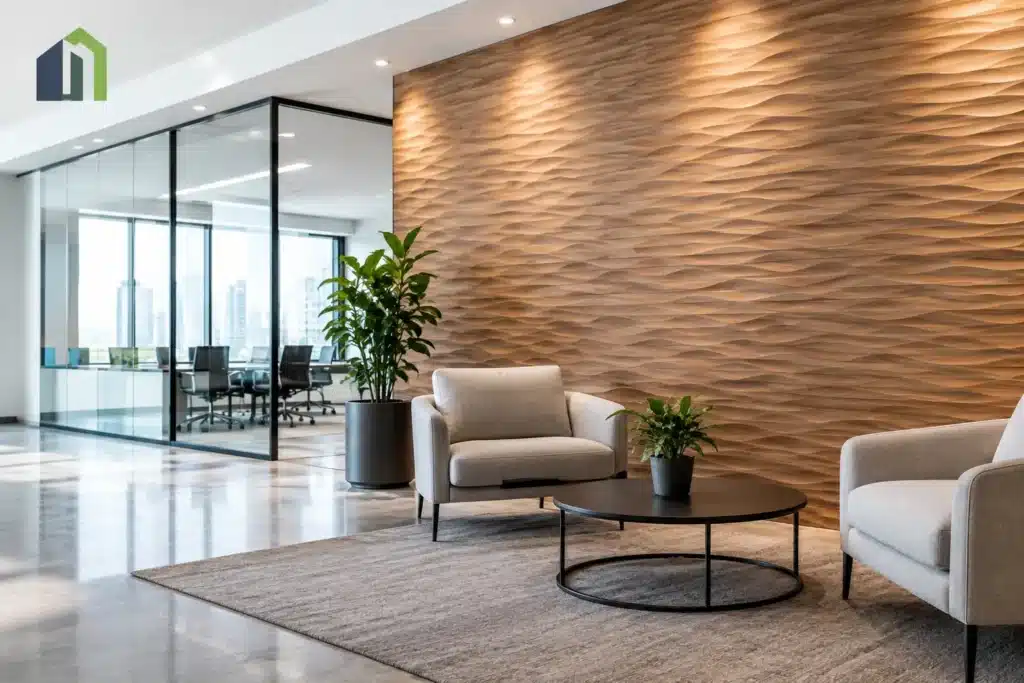
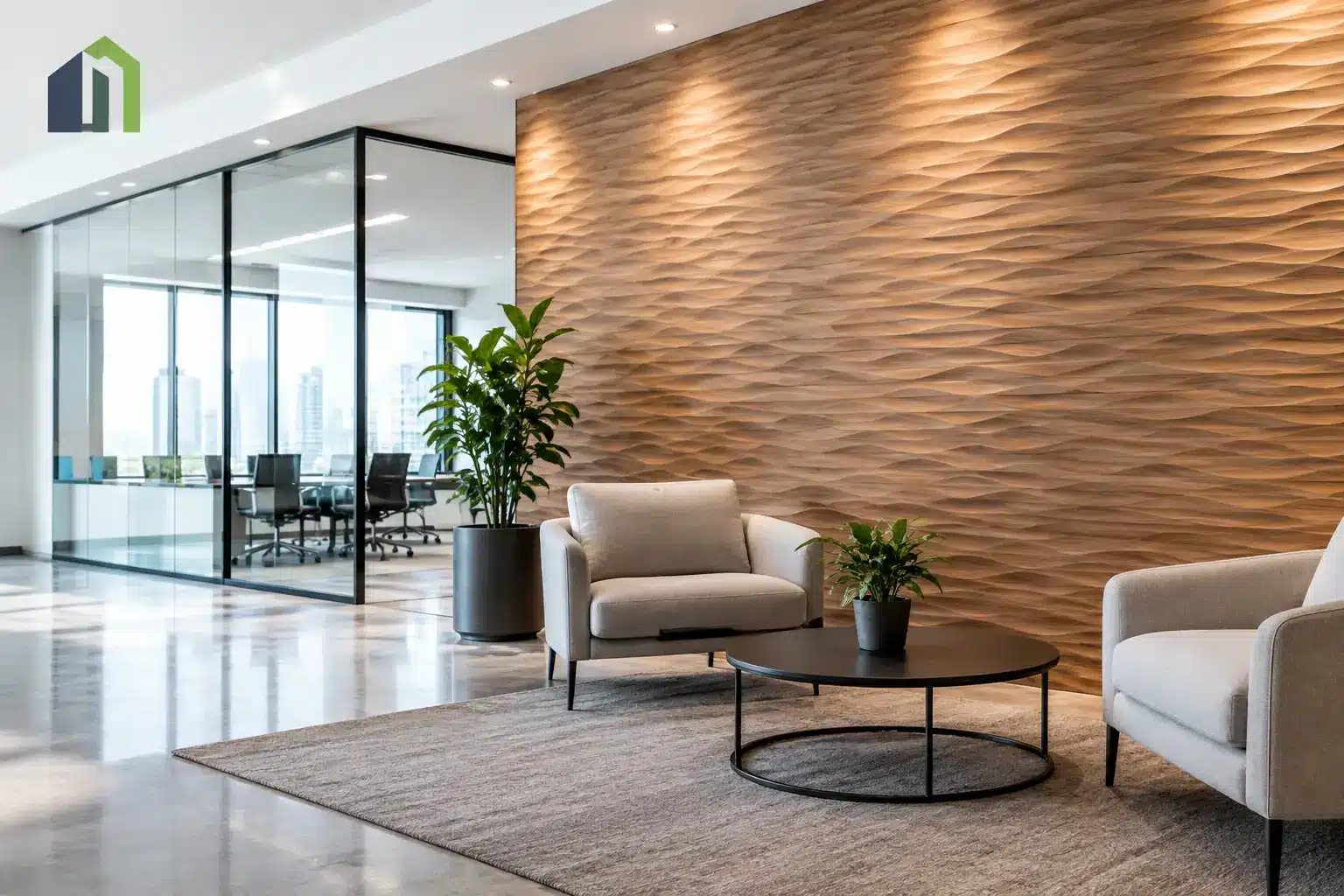
Decorative texture can give a lobby, restaurant, or office focal wall more character, but it should be selected with maintenance in mind. Deep textures collect dust and can be difficult to repair invisibly. A subtle, repeatable texture is usually easier to maintain than a heavily layered finish that only one installer knows how to reproduce.
Surface Preparation Decides the Result
A finish is only as reliable as the surface below it. Commercial walls often have a history: old adhesive, previous paint failures, settlement cracks, poorly repaired holes, water staining, or drywall patches from electrical and networking work. Painting over those conditions may look acceptable on day one and fail soon after.
Proper preparation begins with identifying the cause of the issue. Moisture stains should be traced to a roof, plumbing, window, or exterior-envelope problem before repainting. Cracks may need flexible caulk or drywall repair, depending on where and why they formed. Glossy surfaces may need cleaning, sanding, or a bonding primer so the new coating can adhere.
In occupied properties, preparation also requires coordination. Dust control, furniture protection, access to rooms, odor considerations, and after-hours scheduling can be as important as the finish itself. A contractor should explain what will be moved or covered, where repairs are expected, how long products need to dry, and when the space can return to normal use.
Choose Colors and Sheens for Maintenance, Not Just Appearance
Color changes how a commercial space feels, but it also changes how quickly dirt becomes visible. Very light colors can show scuffs in corridors. Very dark colors can reveal dust, fingerprints, and inconsistent touchups. Mid-tone neutrals often hide routine wear better while still keeping a room bright.
A good approach is to use a more durable, slightly deeper wall color in high-contact zones and reserve lighter or more delicate colors for low-traffic offices and feature walls. Accent colors can reinforce a brand without committing every wall to a shade that is difficult to maintain.
Sheen consistency matters during future repairs. Touching up a satin wall with a different sheen, batch, or application method can leave a visible patch even if the color is close. Keeping a record of product names, color formulas, sheens, and finish locations makes later maintenance far easier.
Plan the Scope Around Business Operations
A commercial painting project should account for the building’s schedule, not just the square footage. A property manager may need work completed between tenant turnovers. A medical office may require phased work that keeps treatment rooms available. A restaurant may need overnight or closed-day scheduling.
During an on-site walkthrough, it helps to separate immediate repairs from planned upgrades. For example, a property might need damaged drywall repaired and high-traffic halls repainted now, while a lobby feature wall or office refresh can be scheduled later. Good-better-best options give owners a way to compare paint grades, protective coatings, repair levels, and scheduling approaches without guessing what is included.
A written estimate should clarify surface prep, drywall repairs, primer needs, coating type, number of coats, protection of adjacent surfaces, and expected timeline. If the price only says “paint walls,” there is too much room for assumptions.
A Practical Finish Plan Pays Off
The best commercial wall finishes are the ones that match the building’s real conditions. A durable hallway coating, washable restroom paint, properly repaired office walls, and a clean reception area can make daily operations easier while protecting the property’s appearance.
For Denver-area business owners and property managers, Majestic Painting Company can assess existing wall conditions, explain the trade-offs, and provide an itemized scope before work begins. A careful walkthrough now can prevent the cycle of repainting the same damaged walls every year.