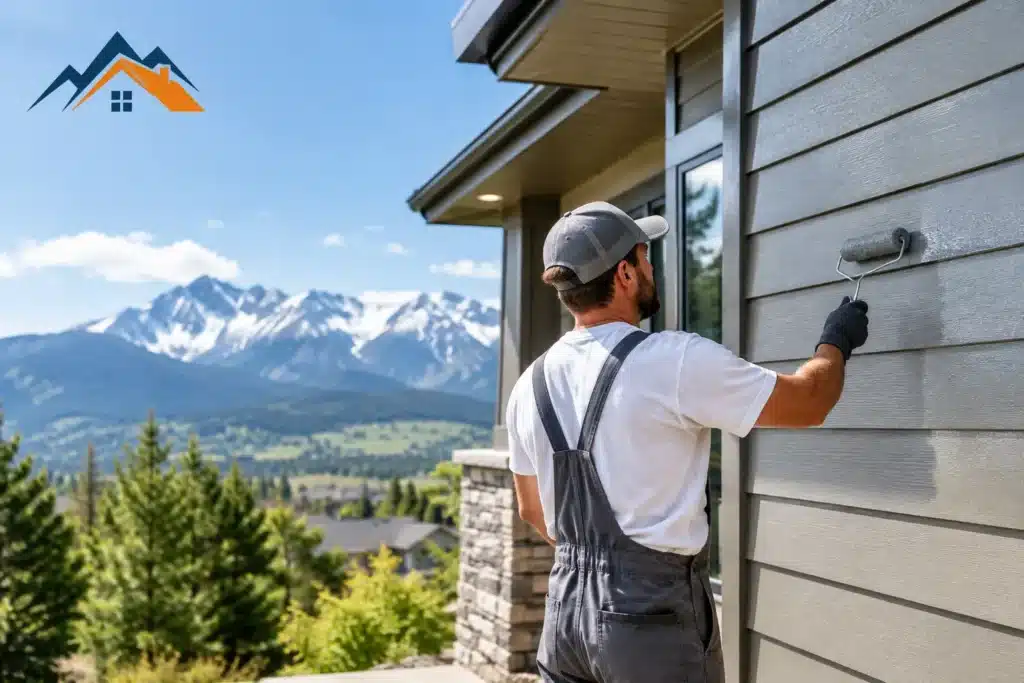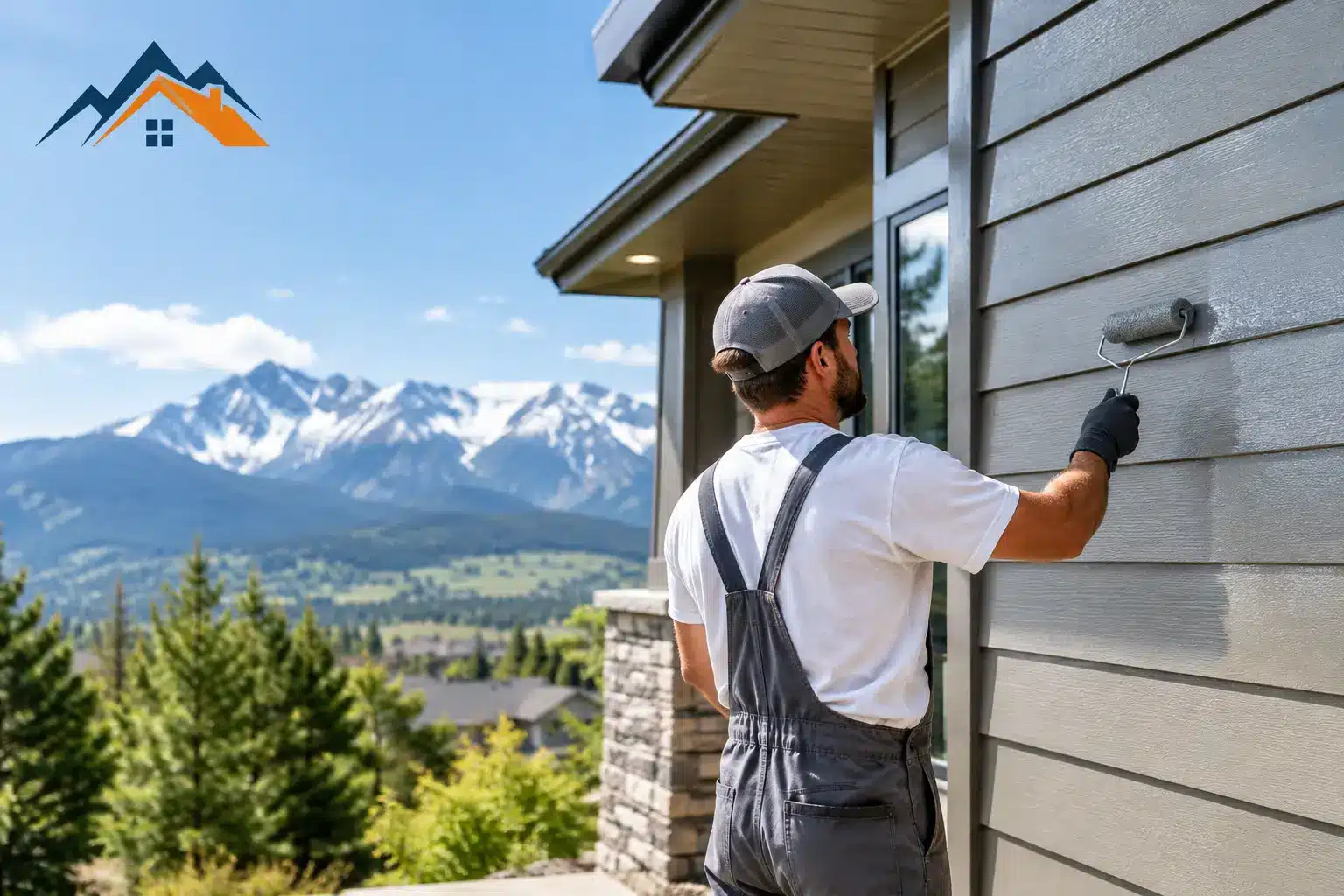

Colorado exterior paint failures rarely start with the paint color. They start at the exposed south-facing wall, a cracked window joint, a gutter that overflows onto trim, or a hail strike that opens the surface to moisture. Choosing the best exterior coatings Colorado homes need means matching the coating system to the material, the exposure, and the repairs required before a brush or sprayer comes out.
A quality exterior project should do more than make a home look fresh. It should protect siding and trim through intense sun, abrupt temperature swings, snow, wind, and seasonal hail. The right choice is not always the most expensive paint on the shelf. It is the coating and preparation plan that fits your home’s condition.
Why Colorado Homes Need More From Exterior Coatings
At Colorado’s elevation, ultraviolet exposure is a major concern. Dark colors and heavily exposed elevations tend to fade faster, while aging paint can become dry, brittle, and more likely to peel. Freeze-thaw cycles add another problem: water enters small gaps around trim, siding, and caulk, then expands as it freezes.
Hail can chip paint, dent metal, crack older wood surfaces, and expose vulnerable edges. Even when a storm does not create obvious damage, it can shorten the useful life of a coating already near the end of its service cycle.
That is why exterior painting is not simply a color decision. A contractor should inspect the whole exterior, including siding, fascia, soffits, window and door trim, caulked joints, gutters, and areas near grade. If water management or deteriorated materials are ignored, premium paint will not solve the underlying problem.
The Best Exterior Coatings for Colorado by Surface
Different exterior materials require different products and preparation. One coating cannot do every job well.
Fiber-cement and engineered wood siding
Fiber-cement siding is durable, but its edges, nail heads, and cut ends need attention. A high-quality exterior acrylic paint is generally the right choice because it provides color retention, flexibility, and resistance to weathering. Proper priming is especially important on bare repairs, exposed edges, and areas where the previous coating has failed.
Engineered wood siding also performs well with a quality acrylic system, but it should be checked closely for swollen edges, water damage, and failed caulk. Painting over soft or deteriorated boards only delays a replacement that should happen first.
Wood siding, trim, and fascia
Wood expands and contracts as weather changes. The best coating system needs enough flexibility to move with the substrate without cracking. Exterior acrylic paints are a common choice for painted wood, while stains are often better for wood surfaces where grain is meant to remain visible.
The decision between solid stain and paint depends on the surface and the desired appearance. Solid stain can be a practical option for certain older wood siding because it penetrates differently than paint and may wear more gradually. Paint typically offers a broader range of color and a more uniform finish. Neither will hold up well if moisture is entering from failed gutters, unsealed joints, or rotted trim.
Stucco and masonry
Stucco needs a breathable coating that can handle minor movement and resist moisture problems. Standard exterior acrylic paint works well on many sound stucco surfaces, provided cracks are properly repaired and the surface is cleaned first. Elastomeric coatings may be appropriate for stucco with widespread hairline cracking, but they are not automatically the best answer.
Elastomeric products build a thicker, flexible film. That can help bridge small cracks, but the substrate must be dry and sound before application. Applying a thick coating over trapped moisture or major movement can create a larger failure later. A site-specific evaluation matters here.
Metal, gutters, and railings
Metal surfaces need thorough cleaning, removal of loose rust, and the correct bonding or rust-inhibitive primer where needed. Paint alone will not stop active corrosion. For gutters, downspouts, railings, and metal trim, preparation and product compatibility make the difference between an even finish and premature peeling.
Paint Grade Matters, but Prep Matters More
Homeowners often ask whether premium paint is worth the added cost. On an exterior project, it often is – particularly on elevations that receive strong afternoon sun or face frequent weather exposure. Better exterior paints commonly provide stronger adhesion, improved color retention, and a more durable finish.
But paint grade cannot make up for poor preparation. The longest-lasting exterior coatings begin with washing away dirt, chalk, mildew, and loose material. Peeling paint must be scraped and sanded, bare areas primed, and failing caulk removed and replaced. Damaged trim, siding, or fascia should be repaired or replaced before coating begins.
A written estimate should identify these steps rather than simply saying “prep as needed.” Ask what will be washed, scraped, sanded, primed, caulked, repaired, and protected. Clear scope helps you compare bids fairly and reduces surprises once the project is underway.
How Color and Sheen Affect Durability
Color has a practical effect on exterior performance. Very dark colors absorb more heat, which can increase movement in wood and composite materials. That does not mean dark colors are off limits, but they should be chosen with the siding manufacturer’s recommendations in mind. Some products have limits on how dark a repaint color can be.
Lighter colors generally show less fading, while bright reds, deep blues, and some dark greens may require more maintenance over time. Quality products and professional application help, but sun exposure is still sun exposure.
For sheen, satin or low-luster finishes are common choices for siding because they offer a modest sheen without highlighting every imperfection. Trim is often finished in satin or semi-gloss for definition and easier cleaning. Higher sheens can look sharp on smooth, well-prepared trim, but they also make surface flaws more visible.
What to Look for in an Exterior Coating Estimate
The best estimate is not necessarily the lowest price. It is the one that explains what you are getting and addresses the home’s actual needs. Before selecting a contractor, look for an itemized scope that identifies the coating brand and product level, surface preparation, repairs, number of coats, color changes, protection of landscaping, and expected timeline.
It also helps to ask how the contractor handles weather delays. Exterior work should not be rushed through rain, wet surfaces, or temperatures outside the product’s application range. A dependable schedule includes communication when conditions change.
For homes with hail damage, ask whether the contractor can coordinate the paint scope with needed trim, siding, or gutter repairs. When one insured crew can manage targeted repairs and painting on one schedule, homeowners avoid the gaps that often occur between separate trades.
Best Exterior Coatings in Colorado: A Practical Decision Process
Start with an inspection, not a product name. A good recommendation should consider the age and material of the siding, the condition of the existing coating, sun exposure, moisture concerns, and how long you plan to stay in the home.
If you are preparing to sell, a clean, durable exterior refresh in broadly appealing colors may be the most sensible investment. If you plan to stay for years, a higher-grade coating system and more extensive repair work may offer better long-term value. For a home with widespread failing paint or repeated water intrusion, the priority should be correcting the cause before choosing a finish color.
Majestic Painting Company provides on-site consultations that separate these options clearly, including good-better-best product choices, needed repairs, and a written scope of work. Sherwin-Williams and Benjamin Moore product systems can both perform well when the surface is properly prepared and the product is matched to the material.
Before scheduling your project, walk around the home after the next rain or snowmelt. Look for overflowing gutters, dark staining below joints, open caulk lines, peeling areas, and soft trim. Those small observations can lead to the repair that protects your next exterior coating job for years.