
A small drywall repair should not turn into a wall-wide repaint. But after years of sunlight, cooking, cleaning, and everyday wear, the paint color on your wall may no longer match the name printed on the old can. So, can painters match existing color? In most cases, yes – closely enough that a properly prepared and blended repair disappears into the room. The best answer depends on the condition of the existing paint, the sheen, the surface texture, and where the repair sits.
For homeowners, the goal is not simply to find a similar paint chip. It is to create a finished area that looks intentional in the light you live with every day.
Can painters match existing color accurately?
Professional painters can often match an existing color with excellent results, even when the original brand, formula, or paint can is unavailable. A paint store can scan a physical sample and produce a starting formula, while an experienced crew evaluates the result on the actual surface before committing to the repair.
That distinction matters. A scanner reads color, but it does not fully account for the way a wall has aged, the texture of the drywall, the direction of sunlight, or the gloss level of the old coating. Two paints can be nearly identical in color and still look different when one is flat and the other is eggshell.
The most reliable outcome comes from matching three things: color, sheen, and application. If the wall was originally rolled, brushing a small patch may leave a visible change in texture. If a ceiling has a subtle orange-peel texture, a smooth repair can stand out even with a perfect color match. This is why drywall repair, texture matching, priming, and paint touchup should be treated as one coordinated job.
Why a paint name or old can may not be enough
If you have the original can, label, or color code, bring it out. It gives the painter useful information about the product line and original formula. Still, it is not always a guarantee of an invisible touchup.
Paint changes after it is applied. Interior walls can yellow slightly from cooking residue, candles, fireplaces, and age. Hallways, stairways, and kids’ rooms are cleaned more often, which can slowly alter the finish. Exterior paint faces much tougher conditions, especially along the Front Range. High-altitude UV exposure, snow, hail, and freeze-thaw cycles can fade or weather one side of a home differently from another.
The original formula may also have been mixed years ago using colorants or bases that have changed. Even a freshly mixed gallon in the exact named color can look noticeably newer against an aged wall or siding board.
A skilled painter treats the old label as a helpful clue, not the final answer.
A sample from the wall is more useful
When possible, the best sample is a clean piece of the painted surface itself. A painter may remove a small section from behind a switch plate, inside a closet, or another concealed area. The sample should be large enough for accurate scanning and free of caulk, drywall paper, or heavy residue.
For exterior work, a removable piece of trim, siding, or another protected sample can be useful. A sheltered area is often closer to the original color than a sun-exposed wall, but it may not represent the faded color you are trying to blend with. The right choice depends on whether you want to restore the original scheme or make a repair disappear within the weathered finish.
Sheen is often the reason a touchup shows
Many homeowners focus on color and overlook sheen. In reality, sheen can be the most noticeable difference, particularly on interior walls with side lighting from windows.
Flat paint absorbs light and hides minor wall flaws well. Matte and eggshell have a soft, low-luster appearance. Satin reflects more light and is often used in high-traffic areas, while semi-gloss is common on trim, doors, and cabinets. Applying a glossier paint over a lower-sheen surface can create a visible flashing effect even if the colors match exactly.
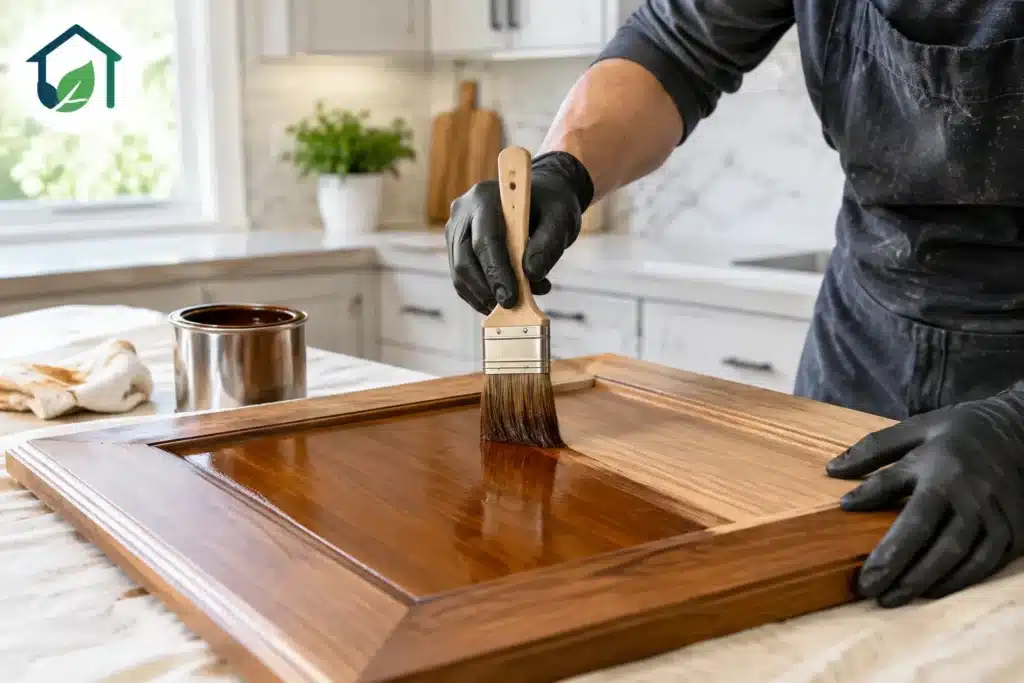
Painters also consider how the existing finish was applied. A sprayed cabinet finish, for example, cannot be matched convincingly with a casual brush touchup. Cabinet refinishing calls for more controlled preparation and application so the repaired area has the same smooth, factory-like appearance as the surrounding doors and drawers.
Before work begins, ask your contractor to identify the likely sheen and apply a small test area. Look at that test patch in daylight, evening light, and with the room lights on. A color that looks right under one condition may read warmer, cooler, lighter, or shinier under another.
When a spot repair works and when repainting makes more sense
A spot repair is often a practical choice for small nail holes, minor drywall damage, or a localized stain. It can save time and material while preserving a wall that is otherwise in good condition. The repair is most likely to blend when the existing paint is relatively new, the finish is flat or matte, and the damaged area is not in a highly visible location.
There are times when repainting the full wall is the better value. If the wall is faded, frequently washed, heavily marked, or painted with a sheen that catches light, a patch may remain visible. Repainting from corner to corner creates a natural stopping point and avoids the square or circular halo that can appear around a touchup.
For a repair near a ceiling line, door casing, or inside corner, painters can sometimes blend paint to those architectural breaks. On broad, uninterrupted walls, full-wall repainting is usually the cleaner choice.
Exterior repairs require an even more careful assessment. A single replaced trim board or siding section may need to be painted as part of a larger elevation rather than as an isolated piece. Colorado sun can make a new patch look fresh beside older paint, even when the color formula is technically correct. In that case, painting the full trim run, wall section, or side of the home may produce a more consistent result and better long-term protection.
The professional color-matching process
A dependable painting contractor should explain what can reasonably be matched before the work is scheduled. There is no benefit in promising an invisible spot repair if the wall condition points to a broader repaint.
The process typically begins with an on-site look at the surface and lighting. The painter checks for repair needs, peeling paint, water staining, failed caulk, texture differences, and signs that the paint has faded or changed sheen. Addressing those conditions first matters. New paint cannot hide a loose drywall patch, rotted exterior trim, or moisture issue for long.
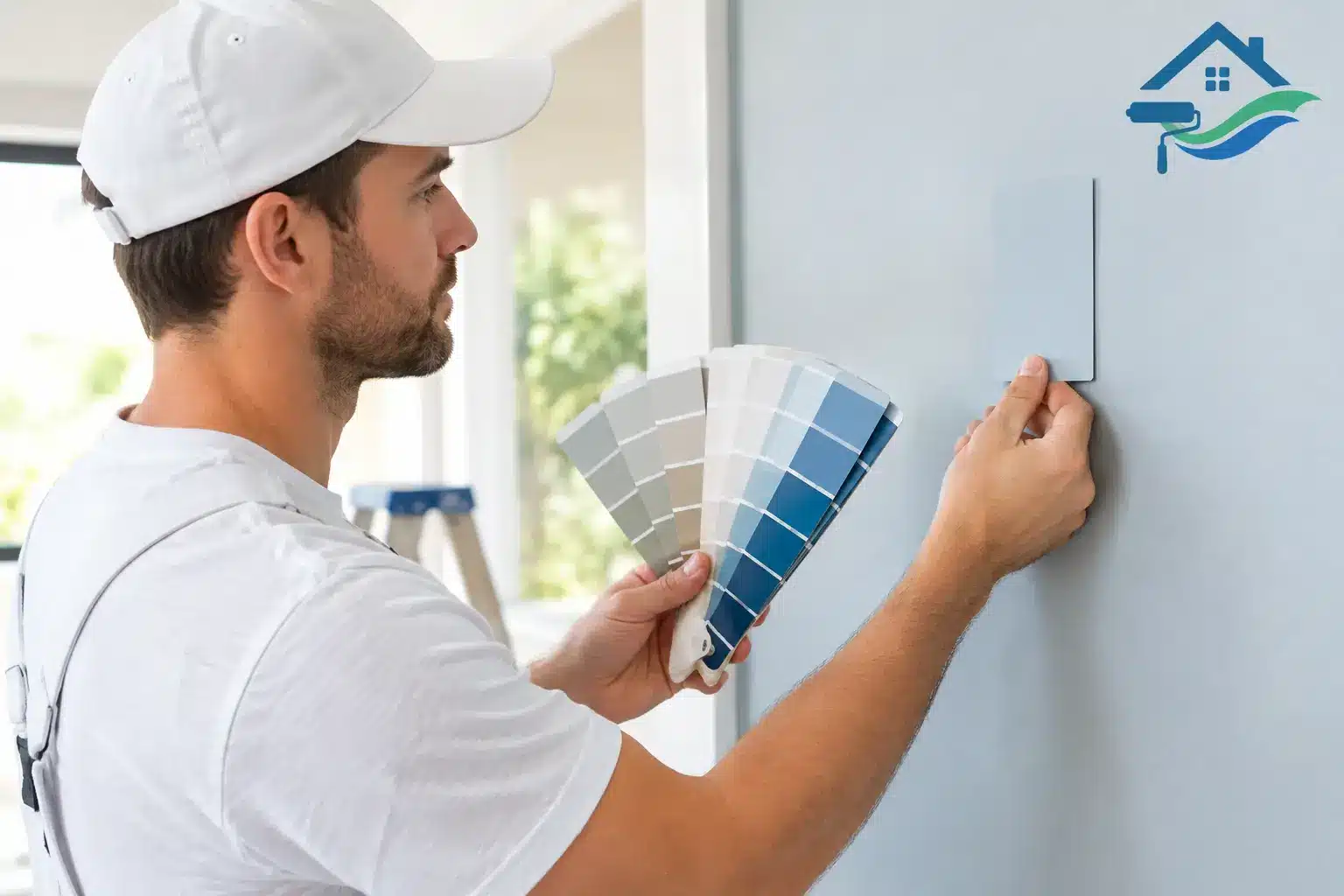
Next comes sample selection and color testing. The crew may scan a sample, compare color cards, or create small custom adjustments. The test paint should be allowed to dry fully because many coatings shift slightly as they cure. Testing directly on the repair area is useful, but it should be done carefully so the test itself does not create more patching work.
Once the color is approved, proper preparation determines whether it blends. That may include sanding the repair smooth, matching the wall texture, spot-priming patched drywall, feathering edges, and using the same type of roller nap as the original finish. For exterior surfaces, it may include washing, scraping loose paint, replacing failed caulk, and priming bare wood or repaired siding before finish coats go on.
Majestic Painting Company approaches these details as part of the scope, not as afterthoughts. An itemized estimate should make clear whether the right solution is a touchup, a full-wall repaint, or a larger repair and repaint plan.
How to help your painter get a better match
Homeowners can make the matching process easier by saving leftover paint in a sealed, labeled container. Note the room, wall location, brand, color name, sheen, and approximate date. Store it away from extreme heat and freezing temperatures.
If no paint remains, avoid scrubbing the area immediately before the estimate. Heavy cleaning can make the sample look different from the surrounding wall. Instead, point out any areas where you have noticed fading, stains, previous touchups, or water damage. Those details help the painter recommend the right scope.
It also helps to be clear about your expectation. Are you trying to make one repair less noticeable before listing your home? Do you need a clean match after electrical or plumbing work? Or are you using the repair as an opportunity to refresh an entire room? Each goal can lead to a different, sensible recommendation.
A good color match is part science, part preparation, and part honest judgment. When the paint has aged evenly and the finish can be duplicated, a repair may blend beautifully. When fading, sheen, or texture work against a spot touchup, repainting a logical section is usually the cleaner investment. The right painter will show you the difference, explain the options clearly, and help you choose the result you will still feel good about after the furniture is back in place.