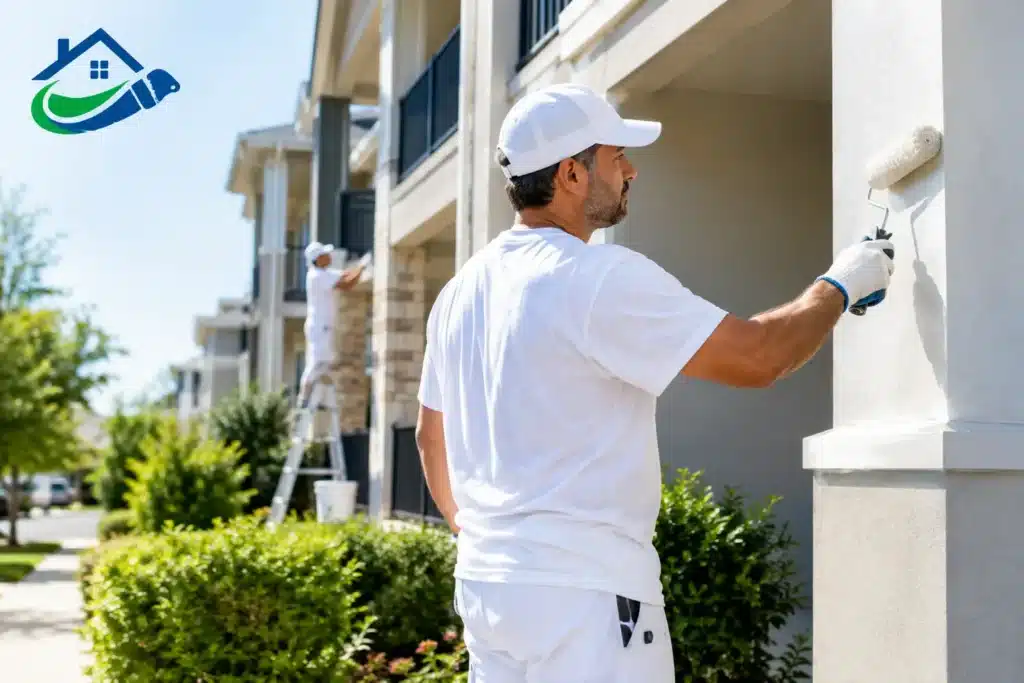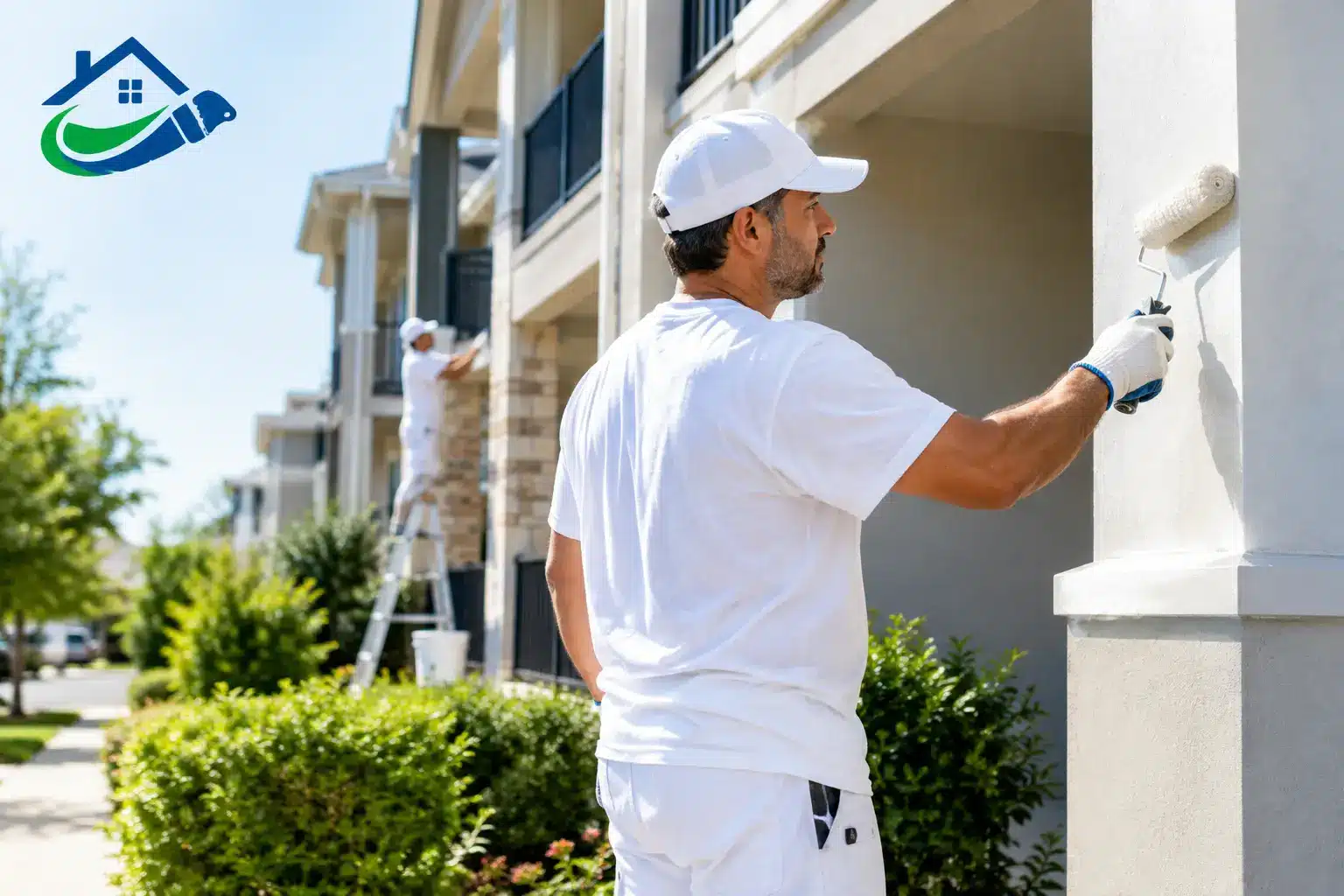

A faded building exterior can turn into a board meeting issue long before the paint has fully failed. Residents see uneven color, peeling trim, stained siding, and crews returning to the same areas year after year. The right HOA painting contractor helps the board address those visible concerns while managing the less visible work that determines whether the project lasts: approvals, resident communication, repairs, scheduling, safety, and surface preparation.
For Colorado associations, exterior maintenance is not simply a cosmetic decision. High-altitude sun, hail, snow, wind, and repeated freeze-thaw cycles can shorten the life of paint, caulk, trim, and siding. A paint job that looks good at completion but skips the repair work underneath can leave an HOA facing premature touchups and frustrated homeowners.
What an HOA Painting Contractor Should Manage
An HOA painting project has more moving pieces than a typical single-home repaint. The contractor may need to coordinate access across dozens or hundreds of residences, work around parked vehicles and landscaping, protect common areas, and keep the board informed without creating extra work for the property manager.
That starts with a detailed site walkthrough. A useful proposal identifies which buildings, elevations, railings, fences, doors, trim, and common-area features are included. It should also state what is not included. Vague scopes create problems later, especially when boards are comparing bids with very different levels of preparation and repair.
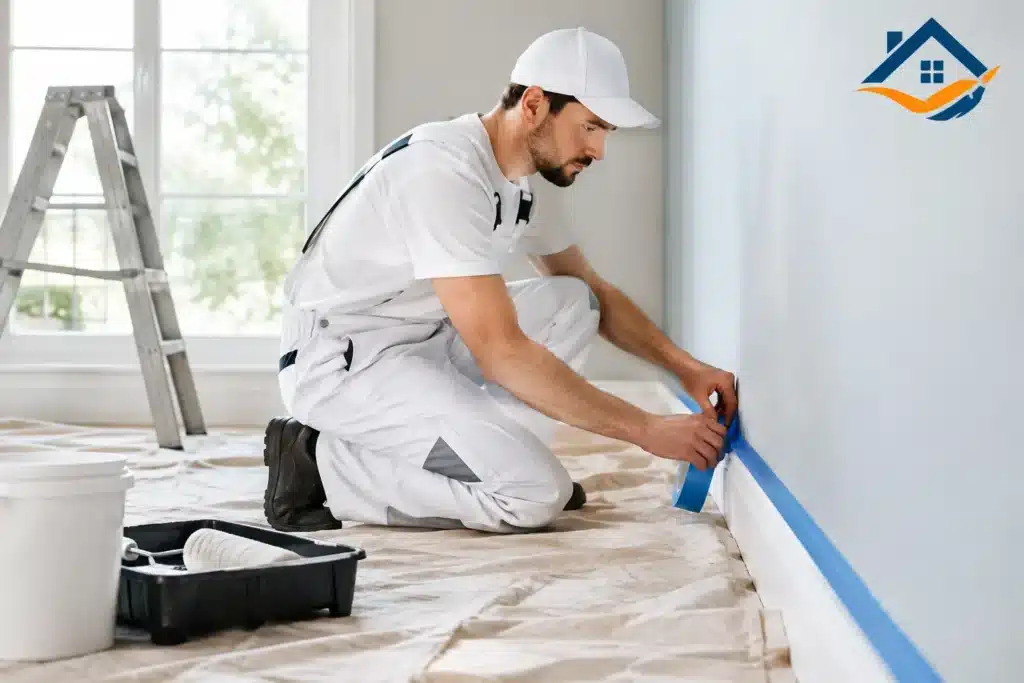
A dependable contractor should document the condition of the property before work begins. That may include peeling coatings, failed caulk joints, deteriorated fascia, damaged siding, rusted metal, cracking stucco, or water staining. Painting over these issues is rarely a lasting solution. Replacing rotted trim, correcting water paths, repairing damaged drywall in shared interiors, or addressing failing gutters first protects the investment in the coating system.
Communication matters just as much. Residents need advance notice of work dates, access needs, parking restrictions, pet considerations, and areas that may be temporarily unavailable. Board members and managers need one clear point of contact, regular progress updates, and prompt answers when site conditions change. The contractor should make the process easier to manage, not add another chain of emails for the board to untangle.
HOA Approval and Color Control
Many associations have established color palettes, architectural standards, and approval procedures. A contractor should respect that process rather than treating color selection as an afterthought. Even when the community is repainting existing colors, boards may need to verify product selections, sheen levels, and approved accent colors before materials are ordered.
Color samples should be viewed outside and at different times of day. Colorado sunlight is intense, and a color that looks neutral on a small swatch can appear much lighter or warmer across an entire building. Sheen also affects the final appearance. A higher sheen may be easier to clean in certain areas, but it can highlight siding imperfections or uneven repairs. Flat finishes can soften surface variation, while satin or semi-gloss coatings are often better suited to trim, doors, and rails.
When an HOA wants an updated look, a contractor can help the board narrow the choices without losing consistency across the community. The goal is not to chase a short-lived trend. It is to select colors that fit the architecture, meet governing documents, and remain practical for future maintenance.
Prep Work Is Where Long-Term Value Begins
The most expensive paint job is often the one that has to be redone too soon. Quality exterior painting depends on preparation, and Colorado conditions make that especially true.
Surfaces should be cleaned to remove dirt, chalking paint, mildew, and residue that can interfere with adhesion. Loose or failing paint needs to be scraped and sanded. Gaps around windows, trim, and siding should be caulked with the right material for the joint. Bare wood and repaired areas need appropriate primers. If siding or trim has deteriorated, replacement may be more responsible than trying to cover it with filler and paint.
This is also where a coordinated property-improvement contractor can be particularly helpful. If a crew can handle targeted trim or siding replacement, gutter corrections, power washing, and painting on one schedule, the association avoids managing several vendors for a connected problem. That does not mean every condition requires a major repair. It means the board receives a clear recommendation, an itemized cost, and a choice based on the actual condition of the property.
Product selection should match the surface and exposure. High-quality exterior paints from established manufacturers such as Sherwin-Williams and Benjamin Moore can provide strong color retention and durability, but the best product still depends on whether the surface is wood, fiber cement, stucco, metal, or masonry. South- and west-facing elevations may need special attention because they receive the harshest UV exposure.
How to Compare HOA Painting Bids Fairly
The lowest number on a bid sheet is not always the lowest total cost. One contractor may include pressure washing, extensive caulking, spot priming, trim repairs, two finish coats, and daily cleanup. Another may price only basic paint application. Both proposals can use the word “paint,” but they are not offering the same project.
Ask each bidder to break down preparation, repairs, materials, labor, access equipment, protection measures, timeline, and warranty. If a proposal includes allowances for carpentry or siding repairs, confirm how those allowances will be documented and approved if additional work is found. Boards should know how change orders are handled before the crew is on site.
It is reasonable to ask about insurance, crew supervision, experience with occupied communities, and warranty terms. A contractor should be able to explain who will be managing the work day to day and how concerns will be resolved. References and completed projects can also reveal whether a company communicates well after the contract is signed.
A good bid is clear enough that board members can explain the decision to homeowners. It balances cost with the expected life of the work, the disruption to residents, and the contractor’s ability to follow through.
Scheduling Around Residents and Weather
Painting an occupied community requires a workable production plan. The contractor should divide the work into logical phases so residents know where crews will be and when. This may mean completing one building at a time, grouping townhome rows, or separating common-area features from residential buildings.
Weather planning is essential on the Front Range. Paint needs suitable temperature and moisture conditions to cure correctly, and afternoon storms can change the day quickly. A realistic schedule accounts for weather delays rather than making promises that depend on perfect conditions. It also provides a plan for protecting prepared surfaces and communicating revised dates.
Boards should ask how the crew will handle landscaping, outdoor furniture, vehicles, gates, and resident access. Small details matter: masking windows, protecting walkways from overspray, collecting paint chips, and leaving the site orderly at the end of each day. These practices reduce complaints and show respect for the community.
The Value of One Accountable Partner
An HOA does not need a contractor who disappears after the final invoice. It needs a team that documents the completed work, provides warranty information, and remains responsive if a legitimate issue appears. Final walkthroughs should include the board or property manager, with a clear process for noting touchups and confirming that the agreed scope is complete.
Majestic Painting Company has served Denver-area communities for more than 30 years and understands that association work succeeds when the details are organized before the first drop cloth goes down. Clear written estimates, insured crews, repair capability, dependable scheduling, and direct communication give boards a practical way to protect their properties without turning a repaint into a second job.
Before your next project goes out to bid, walk the community with a contractor who is willing to point out both the paint failures and the conditions causing them. That conversation can help your board set a realistic scope, choose a finish built for Colorado weather, and give residents confidence that the work is being handled carefully.