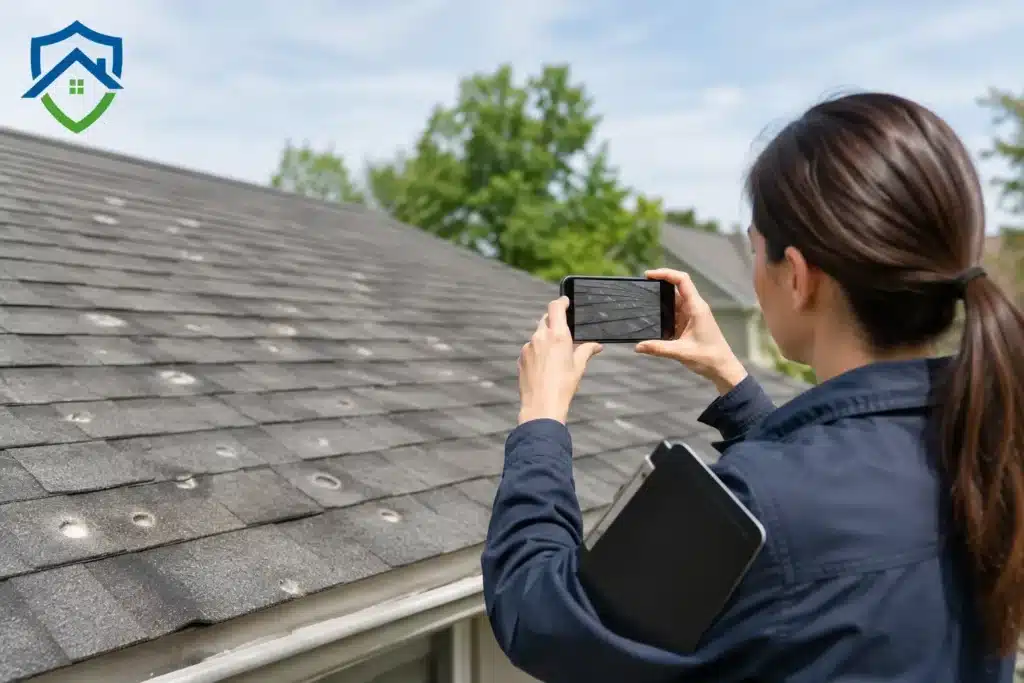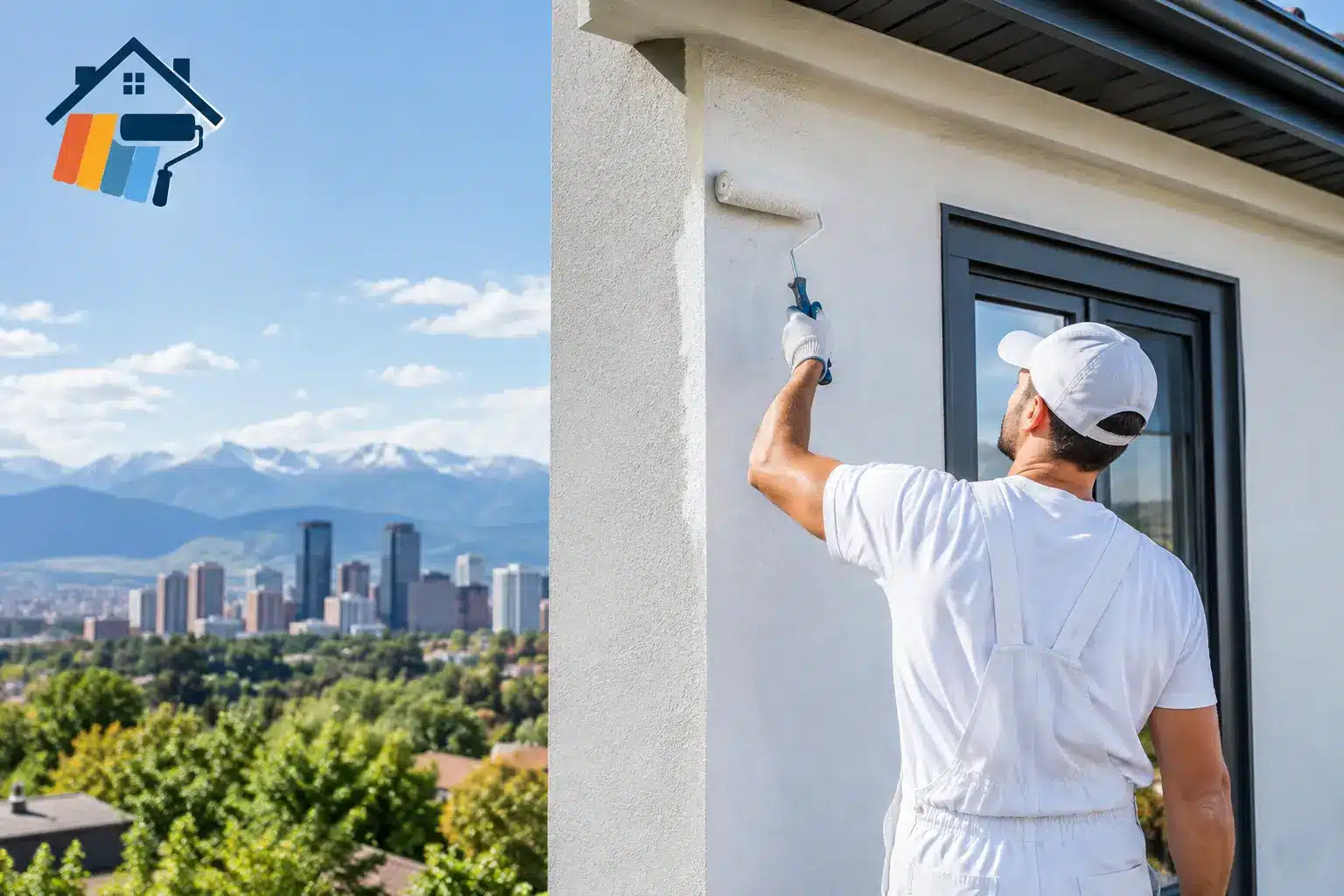

Denver homes ask more of a paint job than homes in many other markets. Intense sun, dry air, hail, sudden temperature swings, snow, and spring moisture can all affect how long a finish looks its best. This Denver painting guide is designed to help homeowners and property owners make practical decisions before choosing a color or scheduling a crew.
A successful project is rarely just about applying paint. It starts with understanding the condition of the surfaces, choosing products that fit the space and exposure, and allowing enough time for preparation and proper drying. Those details are what help a fresh result stay fresh.
Start With the Condition of the Property
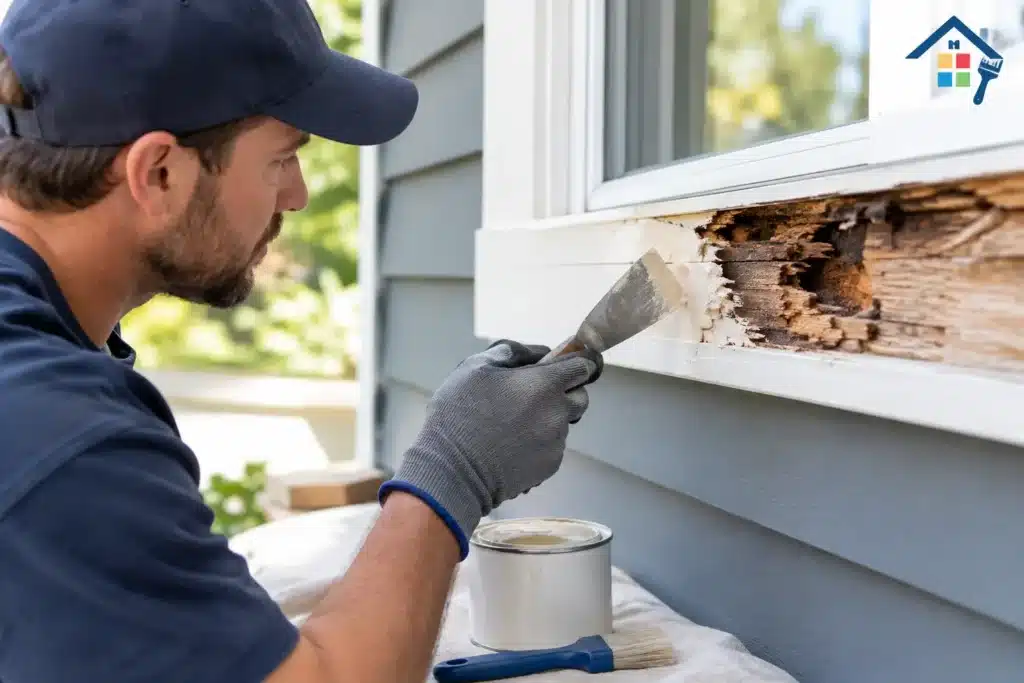
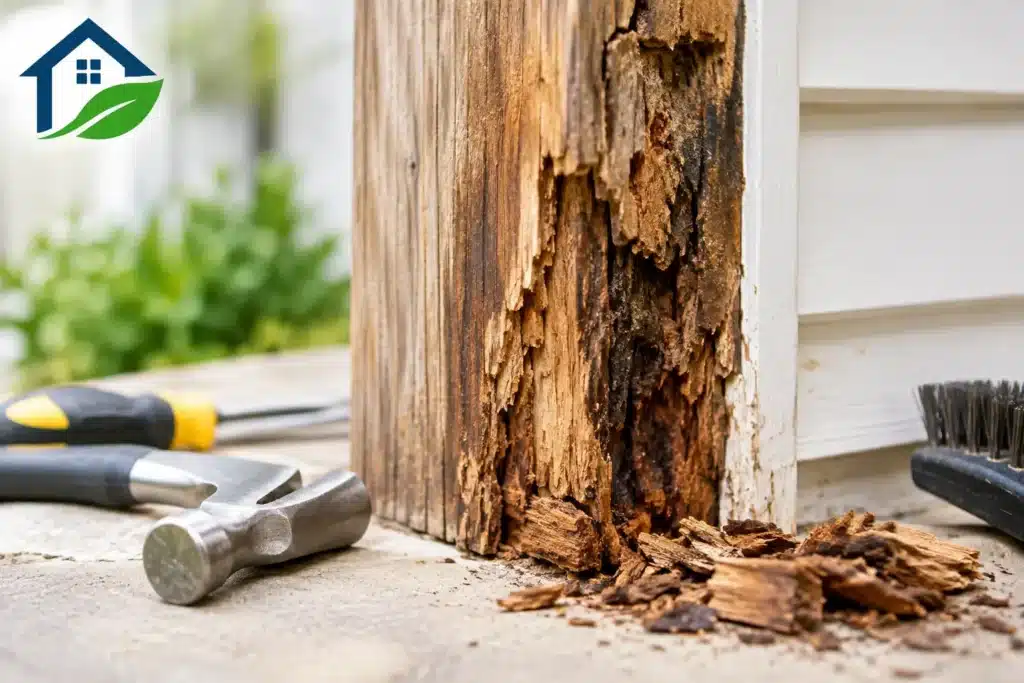
Before selecting colors, take a close look at what the paint is covering. Exterior peeling, split caulk, soft wood, cracked siding, loose gutters, and weathered trim are not cosmetic issues alone. Painting over them may improve the appearance briefly, but the underlying problem can continue and cause the new coating to fail sooner.
Inside, look for drywall cracks, nail pops, water stains, damaged corner bead, uneven texture, and worn caulking around trim. A quality interior finish is heavily dependent on the walls beneath it. Repairing and texturing drywall before painting can make an older room feel cared for rather than simply covered up.
This is also where a detailed estimate matters. An itemized scope should distinguish painting from necessary repairs, explain which surfaces are included, and identify conditions that could affect the final price or schedule. That gives you a realistic choice: address everything now, prioritize the most urgent repairs, or phase the work to fit your budget.
Choose the Right Time for Exterior Painting
Denver’s weather does not always follow a predictable calendar. Late spring through early fall is often the strongest window for exterior work, but the daily forecast matters more than the month on the calendar. Paint needs appropriate air and surface temperatures, manageable wind, and enough dry time to cure correctly.
A warm afternoon after a cold morning can create challenges, especially on shaded sides of a house. So can painting a sun-facing wall when the surface is much hotter than the air. Paint applied to an overly hot surface may dry too quickly, leaving lap marks or reducing adhesion. On the other hand, moisture from rain, snow, or heavy morning dew can delay preparation and coating.
An experienced contractor will schedule around those conditions rather than force a poor weather day. That may mean adjusting the order of work, painting different elevations at different times, or moving to interior tasks when conditions change. A short delay is usually less costly than repainting a failed finish.
Pick Exterior Colors With Sun Exposure in Mind
Color decisions are personal, but Denver light can change how colors read. The strong, high-altitude sun often makes exterior colors appear brighter and lighter than they do on a small sample card. A gray that looks soft indoors may look nearly white on a south-facing wall, while a dark blue can appear much more saturated outside.
Test larger samples on multiple sides of the home and check them in morning, midday, and evening light. Consider the roof, masonry, stone, neighboring homes, and fixed features such as garage doors or gutters. The goal is not to match every element perfectly. It is to choose a combination that looks intentional across changing light.
Dark colors have a trade-off worth discussing. They can give a home a striking, modern appearance, but they absorb more heat and may be harder on certain siding materials. They also tend to show fading and surface imperfections sooner than lighter colors. The best choice depends on the material, the amount of direct sun, and how much long-term maintenance you want to take on.
Interior Paint Is About Finish as Much as Color
For interior projects, sheen affects durability, cleanability, and how visible wall imperfections become. Flat or matte finishes can create a calm look and hide minor irregularities, making them a common choice for ceilings and low-traffic walls. Eggshell and satin finishes offer more washability for living areas, hallways, and bedrooms. Semi-gloss is often suited to trim, doors, kitchens, and bathrooms because it stands up well to cleaning.
More sheen is not automatically better. Glossier finishes reflect more light, which can make patches, dents, and uneven drywall work easier to notice. If walls have visible wear or texture inconsistencies, repair work and a lower-sheen finish may produce a better-looking result.
Color can also support the way a home is used. Home sellers often benefit from clean, broadly appealing neutrals that help buyers focus on the rooms rather than the paint. Homeowners planning to stay may prefer warmer tones, deeper accent colors, or a stronger contrast on built-ins and doors. Both approaches can work when the preparation and finish selection are sound.
Do Not Underestimate Preparation
Preparation is where a paint project earns its longevity. Exterior prep may include washing, scraping loose paint, sanding rough edges, priming bare areas, sealing gaps, and replacing deteriorated trim or siding. It can also include power washing and targeted maintenance that improves how the property looks as a whole.
Interior prep often means protecting floors and furniture, filling holes and cracks, sanding patched areas, caulking trim, spot-priming stains, and carefully masking adjacent surfaces. Clean lines and smooth walls are not accidental. They come from patient prep and a structured process before the first finish coat goes on.
Ask how the contractor handles these steps. “Prep included” can mean very different things from one estimate to another. It is reasonable to ask what gets repaired, what gets primed, how landscaping and furnishings are protected, and how the crew will handle daily cleanup.
Consider Cabinets, Floors, and Repairs Together
A room refresh can lose momentum when only one element is addressed. If cabinets are yellowed or worn, repainting the walls may make the cabinets stand out more. If old carpet is removed and the concrete below is exposed, an epoxy floor may be a more durable solution for a basement, garage, or workspace than a basic coat of paint.
Bundling related work can make scheduling easier and reduce the number of contractors moving through your property. Cabinet painting and staining, drywall repairs, trim replacement, handrail updates, and small renovation work can often be planned in a sequence that protects finished surfaces and avoids unnecessary disruption.
That does not mean every project should become a full remodel. A focused update can be the right call, especially for a sale or a property with a defined budget. The key is deciding which improvements deliver the most visible value and which can reasonably wait.
Compare Estimates Beyond the Bottom Line
The lowest bid may be appropriate for a straightforward, well-maintained room with a clear scope. But if an estimate is far below others, look closely at what may be missing. Material quality, number of coats, repairs, primer, protection, cleanup, insurance, and warranty coverage all affect the true value of the work.
A dependable painting contractor should be able to explain recommendations in plain language. You should know who will be at your property, how communication will work, when the work is expected to begin, and what happens if an issue appears after completion. A workmanship warranty matters most when it is backed by a team that answers the phone and stands behind the result.
For more than three decades, Majestic Painting has approached Denver-area projects with that kind of practical coordination: clear quotes, informed color and product recommendations, scheduled work, and final touchups that are not treated as an afterthought.
Plan for a Smooth Project Week
Once the scope is set, a little preparation on the owner’s side helps the work move efficiently. Move fragile items and small personal belongings from work areas, identify pets that need to be kept away from the crew, and make access arrangements for gates, garages, or commercial spaces. For interior work, ask which furniture can stay and which pieces should be moved before the start date.
Communication is especially useful when a property has special needs. Let the crew know about a home office, nap schedule, tenant access, alarm system, or areas that must remain usable. A good plan does not eliminate every inconvenience, but it prevents surprises and helps the project stay organized.
A Paint Job Should Make Ownership Easier
The right painting plan protects surfaces, improves the way your property feels, and gives you a clear path from estimate to final walkthrough. Whether you are updating one room, preparing a home for sale, or maintaining an exterior after years of Colorado weather, start with an honest assessment of the work beneath the color.
When you are ready, walk the property with a professional who will explain the options, not pressure you into the largest scope. A clear recommendation and a well-prepared surface are a much better foundation than a quick coat of paint.