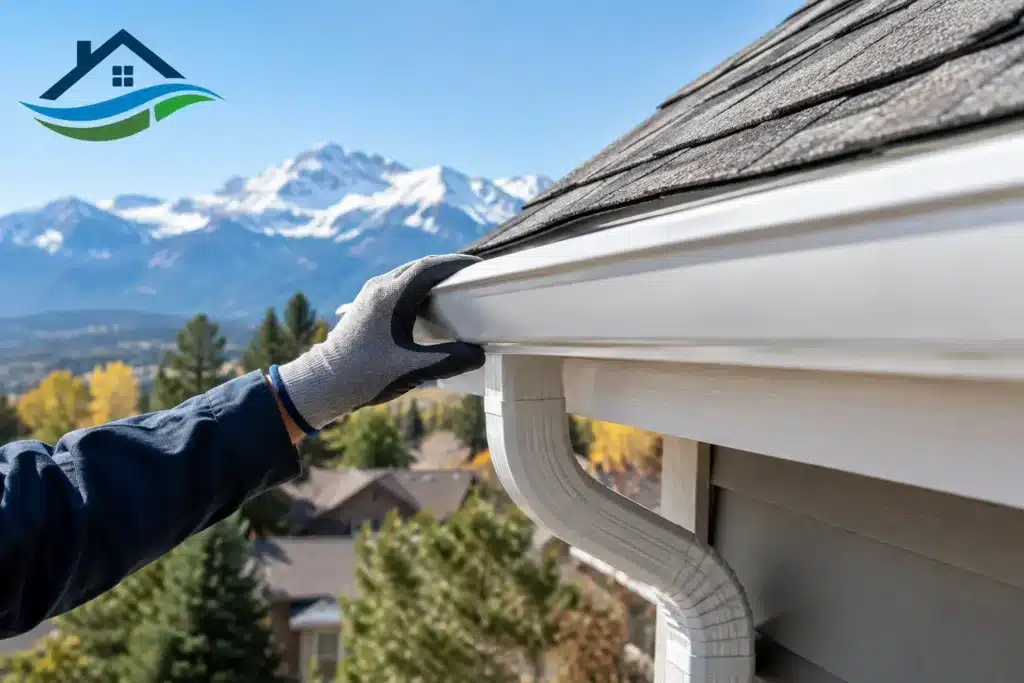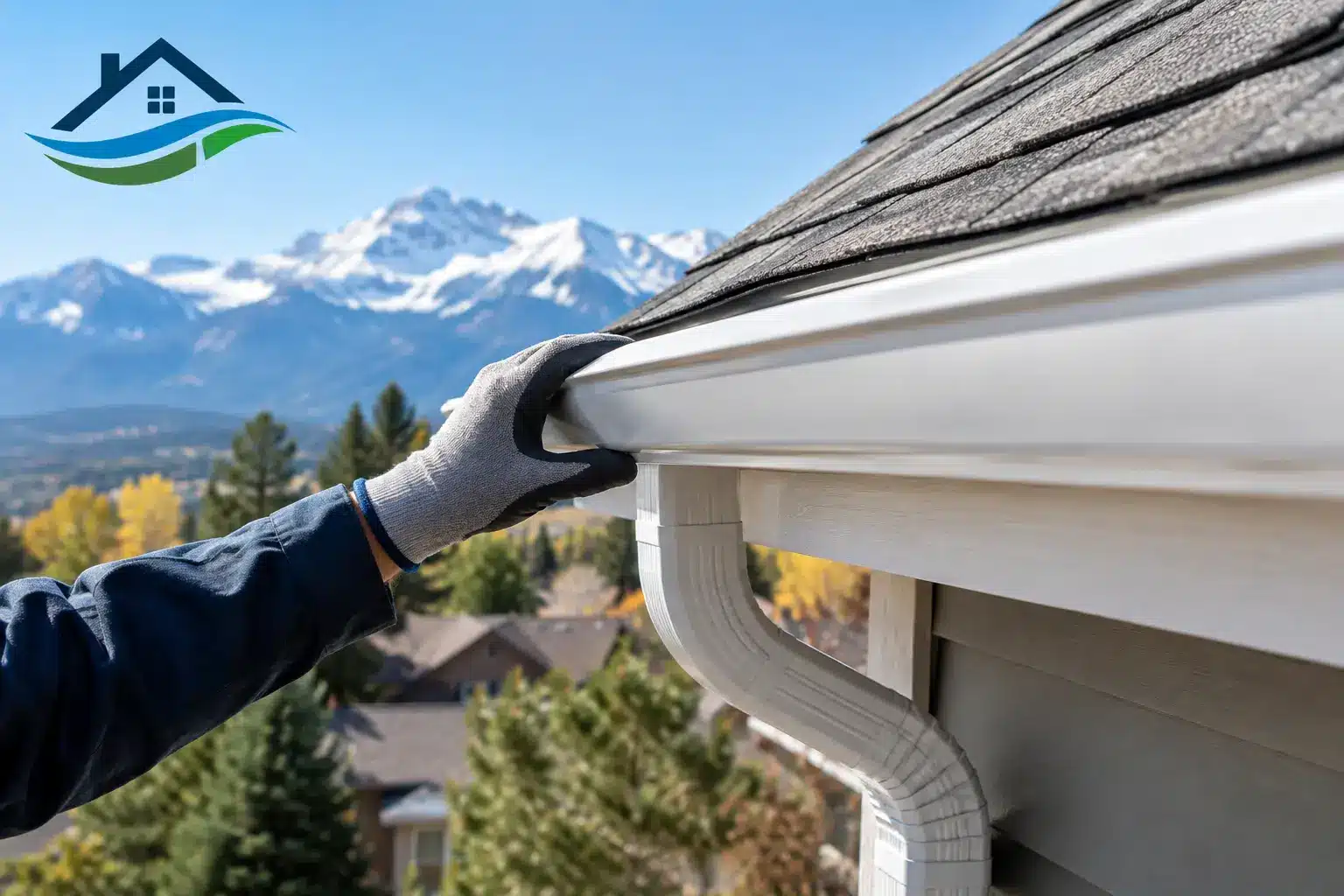

A gutter can look like a minor exterior detail until the first heavy rain sends water behind the fascia, down the siding, or toward the foundation. Homeowners often ask when should gutters be replaced after noticing a stain, a drip, or a section pulling away from the roofline. The better question is whether the system still moves water where it belongs without creating costly damage to the rest of the house.
In the Denver metro, gutters face more than routine rain. High-altitude UV exposure dries out caulk and paint, hail can dent and loosen metal, and freeze-thaw cycles stress seams, fasteners, and downspouts. A repair can be the right answer for a localized issue. But when problems are widespread or the gutter system is causing damage to trim, siding, paint, or landscaping, replacement is usually the more practical investment.
When Should Gutters Be Replaced Instead of Repaired?
A single loose hanger, a small seam leak, or a downspout that has come apart does not automatically require new gutters. Those issues can often be corrected if the gutter itself is still straight, properly sloped, and in good condition.
Replacement makes more sense when the trouble is repeated, structural, or visible across several sections. Patching multiple leaks every season may cost less upfront, but it does not fix warped runs, failing seams, poor drainage design, or an undersized system. Water only needs one consistent path behind a gutter to begin rotting wood and peeling exterior paint.
Age is part of the decision, but condition matters more. Aluminum gutters commonly last 20 years or longer with proper installation and maintenance. Steel systems may fail sooner if rust takes hold. Older gutters can sometimes continue performing well, while a newer system installed with too few hangers or poor slope can create problems almost immediately.
Visible sagging or pulling away from the house
Gutters should sit firmly against the fascia and maintain a consistent line. If a run sags in the middle, bows outward, or pulls away from the roof edge, water can pool instead of draining toward the downspout. The added weight from standing water, wet debris, snow, or ice can make the problem worse.
Sometimes new hangers solve the issue. If the fascia board behind the gutter is soft or rotted, however, replacing hangers alone is only a temporary fix. The wood needs to be repaired first so the new gutter has a solid surface to attach to.
Cracks, holes, rust, or failed seams
Small holes can occasionally be sealed, particularly on a newer system. But visible corrosion, multiple cracks, or recurring leaks at seams are signs that the material is nearing the end of its useful life. Rust is especially concerning because it can continue spreading beneath paint and coatings.
Seam leaks are common on sectional gutters. If leaks keep returning after repair, seamless gutters may offer a better long-term solution because they have fewer joints along each run. They are not maintenance-free, but fewer seams means fewer common leak points.
Water overflowing during normal rain
Overflow does not always mean the gutters need replacement. Leaves, pine needles, roof grit, or a blocked downspout may be the whole problem. Start with a thorough cleaning and check that the downspouts discharge freely.
If clean gutters still overflow in ordinary rain, the system may be too small, incorrectly sloped, or poorly positioned beneath the roof edge. Larger gutters, additional downspouts, or a redesigned drainage layout may be needed. This is particularly worth evaluating on steep roofs or areas where several roof planes send water into one valley.
Peeling paint, stained siding, or rotted trim
Exterior paint that fails near the roofline is not always a paint problem. Repeated water exposure can cause paint to blister, peel, or stain, while hidden moisture damages fascia, soffits, window trim, and siding. Repainting over that damage without correcting the gutter issue is likely to produce the same failure again.
Look for dark streaks below gutter seams, swollen wood at the eaves, water marks on brick or siding, and paint peeling in concentrated areas. These signs deserve a closer inspection before scheduling exterior painting. Addressing repairs and drainage together protects the new finish and prevents duplicated labor later.
Foundation or landscape drainage problems
Downspouts should carry water away from the foundation. When they empty too close to the house, discharge onto a walkway, or send runoff toward a low spot, the issue may not be the gutter itself. Extensions, underground drain connections, splash blocks, or a revised downspout location may solve it.
Still, replacement is worth considering if the existing system has too few downspouts, poorly placed outlets, or damaged runs that prevent proper drainage. Water collecting near a foundation can contribute to erosion, settling, wet basements, and damage to hardscaping. It is far easier to manage water at the roofline than repair its effects below.
Colorado Weather Can Shorten a Gutter System’s Life
Colorado’s climate is demanding on exterior materials. Strong sun can fade painted gutters and degrade sealants. Hail may leave cosmetic dents, but it can also loosen connections, bend gutter sections, or compromise areas that were already weak. Winter creates another challenge: melting snow can refreeze at the eaves, adding weight and forcing water into places it should not go.
After a hailstorm or a season of heavy snow, inspect the gutter line from the ground. Watch for dents, gaps at end caps, bent downspouts, loose spikes or hangers, and fresh water marks on the exterior. If storm damage may be involved, take clear photos before repairs begin and review your insurance policy or speak with your carrier about the claim process.
Gutters also need to work with the roof, fascia, trim, and paint as one exterior system. A gutter replacement may uncover deteriorated boards that were hidden behind the old installation. That can feel like an unexpected expense, but replacing compromised wood before installing new gutters provides a cleaner result and a more dependable attachment.
What to Check Before You Commit to Replacement
A professional on-site assessment should look beyond the obvious leak. The goal is to identify where water is entering, where it is traveling, and what has been affected along the way. A useful evaluation includes the condition of the gutters and downspouts, the slope of each run, the number and location of downspouts, the fascia and soffit condition, and signs of moisture damage on siding, trim, and foundation areas.
Ask whether the proposal includes removal and disposal of old gutters, fascia or trim repairs if needed, properly sized downspouts, and a clear plan for water discharge. If painting or siding work is also planned, coordinate the sequence before the project begins. Repairs should happen first, gutters should be installed at the appropriate stage, and painting should protect the repaired surfaces without trapping moisture behind failed materials.
Material and design choices should fit the house rather than follow a one-size-fits-all rule. Aluminum is a popular choice because it resists rust, is available in many colors, and works well for most homes. Steel can be stronger but needs reliable coating protection. Copper offers a distinctive appearance and long service life, though it costs more and is not necessary for every property. The right size, slope, and downspout layout matter at least as much as the material.
Don’t Wait for Interior Water Damage
Gutter replacement is easiest when it is planned around visible exterior warning signs, not after water reaches ceilings, walls, or structural wood. If you see recurring leaks, sagging sections, deteriorated fascia, or paint damage near the eaves, schedule an inspection before the next stretch of heavy weather.
For homeowners planning exterior painting, siding repair, or trim replacement, combining the work can also reduce disruption and help ensure each part of the exterior is addressed in the right order. Majestic Painting Company can evaluate the related trim, siding, and paint repairs alongside gutter needs and provide a clear written scope. A well-designed gutter system may not be the most noticeable update to your home, but it helps protect nearly every exterior improvement that is.