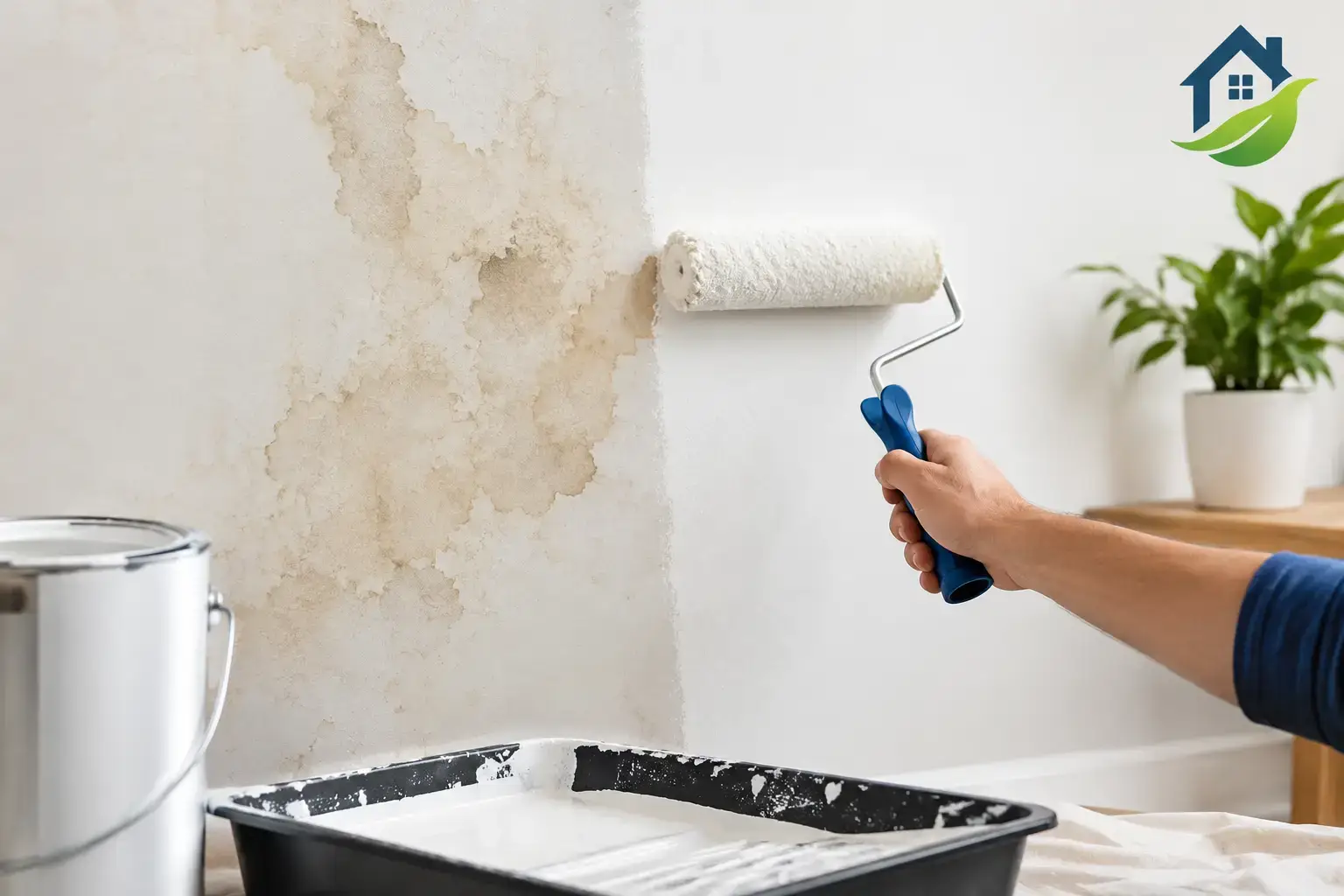

A brown ring on a ceiling can make an otherwise clean room feel neglected fast. So, can paint cover water stains? Regular wall paint can make a stain look better temporarily, but it usually will not keep it from bleeding back through. A lasting repair starts by finding and correcting the moisture source, then repairing and sealing the damaged area before repainting.
That order matters. Painting a water stain before the leak, condensation issue, or exterior opening is addressed can mean paying for the same room twice. In Colorado homes, hail, aging roof penetrations, cracked caulk, ice buildup, and failed gutters can all send water where it does not belong.
Can Paint Cover Water Stains Without Primer?
Not reliably. Water carries minerals, tannins from framing lumber, rust, and other contaminants into drywall and ceiling texture. As moisture evaporates, those materials remain behind. Standard latex paint is porous enough that the discoloration can migrate through a fresh coat, especially over time or when humidity rises.
A stain-blocking primer is designed to isolate those contaminants from the finish paint. For most dried water stains, professionals use an oil-based or shellac-based stain-blocking primer because these coatings provide stronger blocking power than ordinary drywall primer. Water-based stain-blocking products can work on light, fully dried stains, but the result depends on the severity of the discoloration and what caused it.
There is a trade-off. Shellac primers block some of the toughest stains and dry quickly, but they have a strong odor and require appropriate ventilation. Oil-based primers also block well, though they dry more slowly and require mineral spirits for cleanup. A qualified painter can recommend the right product after seeing the stain rather than applying a one-product answer to every ceiling or wall.
Fix the Source Before Covering the Evidence
The stain is a symptom, not the problem. Before any primer goes on, the affected area should be dry and the source of water should be resolved. A stain beneath a bathroom can point to a supply line, drain, shower pan, or toilet seal. A ceiling stain near an exterior wall may come from roof flashing, damaged siding, cracked trim, an overflowing gutter, or ice damming.
In the Denver metro area, freeze-thaw cycles can open small gaps around trim, windows, rooflines, and exterior penetrations. High-altitude sun also dries and cracks caulk and paint films faster than many homeowners expect. During a repair walkthrough, it is worth checking whether the exterior needs caulking, trim replacement, gutter correction, or a more thorough roof inspection.
Do not assume an old-looking stain is inactive. Press gently around the area after it has dried. Soft drywall, a cool damp feeling, peeling paper, a musty odor, or a stain that grows after rain are signs that moisture may still be present. If the drywall is saturated, sagging, crumbling, or moldy, it should be removed and replaced rather than simply painted.
When to call a plumber, roofer, or restoration specialist
A painter can repair drywall and finish the surface, but some situations need a different first call. Active plumbing leaks, roof damage, standing water, widespread moisture, and suspected mold should be assessed by the appropriate specialist. If a large area was affected by a sudden leak, documenting the damage before repairs may also help with an insurance claim.
Once the source is fixed and the materials are dry, painting becomes the final restoration step instead of a temporary cover-up.
The Proper Process for Painting Water-Stained Drywall
The exact approach depends on the damage, but a durable repair generally follows a clear sequence. The area is dried thoroughly first. Rushing this stage traps moisture behind the coating and can lead to peeling, bubbles, or a returning stain.
Next, loose paint, damaged drywall paper, and softened texture are removed. Small areas may need patching with joint compound; larger damaged sections may require new drywall. On a textured ceiling, the repair should be blended to match the surrounding finish before priming. Skipping texture matching often leaves a patch that is more noticeable than the original stain.
After sanding and dust removal, the stained area receives stain-blocking primer. One coat may be enough for a light yellow mark, while a dark brown stain, rust mark, or knot bleed may need a second coat. The primer must dry fully before the finish paint is applied.
Finally, the repaired surface is painted with a compatible ceiling or wall paint. A small touch-up can work when the existing paint is recent and the color is known. More often, especially on ceilings, painting the full plane from wall to wall produces a more uniform result. Even when the color matches, older paint can fade, collect cooking residue, or change sheen, making a spot repair stand out under natural light.
Why Ceiling Stains Are Harder to Hide
Ceilings reveal flaws differently than walls. Light from windows and fixtures travels across the surface at an angle, which highlights texture differences, lap marks, flashing, and sheen changes. A bright white patch on an older off-white ceiling may be just as distracting as a brown stain.
Flat ceiling paint is usually the best choice because it minimizes glare and small surface imperfections. However, flat paint does not solve stain bleed. The primer underneath is what does that work. Bathrooms, laundry rooms, and kitchens may also benefit from a coating selected for higher humidity and easier cleaning, provided the ventilation issue has been addressed.
If the stain is near a recessed light, vent, or ceiling fixture, use extra caution. Water and electrical components do not mix. Turn off power to the affected circuit and have the fixture or wiring checked if there is any sign water reached it.
DIY or Professional Repair?
A homeowner can often handle a small, dry stain caused by a known and repaired issue. The job calls for patience more than special technique: protect the room, clean and scrape the area, use a true stain-blocking primer, allow proper dry time, and repaint carefully.
Professional help makes sense when the source is unclear, drywall has softened, texture needs to match, the stain covers a large area, or exterior repairs may be involved. It is also useful when preparing a home for sale. Buyers tend to notice ceiling stains immediately and may assume the worst, even when a leak was repaired years ago. A complete repair with a clean, consistent finish helps the room look cared for and reduces questions during showings.
For homeowners who need the cause and the cosmetic repair coordinated, Majestic Painting Company can assess the visible damage, repair drywall and texture, and address related items such as compromised trim, siding, or gutters when they are part of the moisture path. The goal is a written scope that explains what will be repaired, what will be primed, and what will be painted, so there are no surprises after work begins.
A Water Stain Is Useful Information
It is tempting to treat a ceiling stain as a paint problem because paint is the part you can see. But the stain is often the house giving you a useful warning. Once the moisture source is resolved, the drywall is sound, and the right primer is in place, fresh paint can do what it is meant to do: restore a clean finish that stays clean.