
A paint trend is only useful if it still feels right after the furniture is back in place, the Colorado sun hits the wall, and you have to live with it every day. The best paint trends for Denver-area homes are less about chasing a color of the year and more about creating rooms that feel comfortable, intentional, and suited to the property.
That approach matters here. Strong high-altitude sunlight can make an already-bright color feel sharper, while changing natural light can pull unexpected undertones from gray, beige, and white. For exterior projects, UV exposure, hail, and freeze-thaw cycles add another consideration: a beautiful color needs the right preparation and coating behind it.
Paint Trends Moving Beyond Cool Gray
Cool gray had a long run because it felt clean and easy to pair with almost anything. It can still work in contemporary homes with crisp white trim, stone, steel, or cooler fixed finishes. But many homeowners are now moving toward warmer, more grounded neutrals that make a space feel less stark.
Think soft greige with a brown or taupe base, muted mushroom, warm putty, sandy beige, or gentle clay-toned neutrals. These colors work especially well in living rooms, hallways, bedrooms, and open floor plans where homeowners want a calm backdrop without the yellow cast of older builder beige.
The key is not simply choosing a warmer paint chip. Existing flooring, countertops, tile, brick, and cabinet finishes all influence whether a neutral reads balanced or muddy. A gray that looks sophisticated in a showroom may look blue beside warm oak floors. A beige that appears subtle on a sample card can turn noticeably gold in a south-facing room. Testing larger samples on more than one wall is worth the time.
Soft white is replacing stark white
Bright, blue-white walls and trim can look sharp in the right modern setting, but softer whites are gaining ground. Creamy whites, quiet off-whites, and whites with a slight greige undertone make a room feel finished without creating harsh contrast.
This is particularly useful in homes with warm wood floors, travertine, tan tile, or earth-toned stone. Soft white can bridge older fixed elements with more current furnishings, avoiding a full renovation just to make the paint work. It also gives walls a little more depth in Colorado’s bright daylight.
Color-Drenched Rooms Have a Place
Color drenching means using one color, or closely related versions of it, across walls, trim, doors, and sometimes the ceiling. The effect can feel tailored and dramatic, especially in a powder room, office, dining room, or bedroom. Deep olive, smoky blue, charcoal, aubergine, and rich brown can make a smaller room feel deliberate rather than overlooked.
This trend works best when the room has a clear purpose. A powder room is a low-risk place to be bold. A home office can benefit from a deeper, more focused mood. In a large open-concept main floor, however, painting every surface a saturated color may be harder to live with and more difficult for future buyers to picture as their own.
There is also a practical sheen decision. Putting the same color on walls and trim does not mean using the same sheen everywhere. Walls often look best in a washable matte or eggshell finish, while trim and doors need a more durable satin or semi-gloss coating. The color stays coordinated, but each surface gets the finish it needs.
Earthy Colors Are Becoming a Safer Way to Add Personality
Homeowners who want more color without committing to a very dark room are choosing grounded, nature-inspired shades. Sage and olive greens, muted blue-grays, softened terracotta, dusty rose, and warm tobacco browns are appearing on accent walls, cabinetry, front doors, and interior doors.
Green remains one of the most flexible choices. A muted sage can work as a neutral in a bedroom or kitchen, while a deeper olive brings contrast to a den, island, or built-in shelving. Blue is still popular, but the trend has shifted away from bright coastal tones toward grayed-out navy, slate, and soft mineral blue.
A color that looks current does not have to dominate the room. Painting the back of built-ins, a laundry room, a mudroom bench area, or a single architectural wall can create personality while keeping the larger palette easier to update later.
Cabinet Color Trends Favor Contrast and Warmth
White cabinets remain a practical choice, particularly for resale, but cabinet painting is moving toward more contrast. Deep green, navy, charcoal, muted blue, and warm greige are common choices for lower cabinets, islands, and bathroom vanities. Natural wood-inspired browns are also returning as homeowners look for kitchens that feel warmer and less uniform.
The right cabinet color depends heavily on lighting and countertop material. A deep navy island can be a strong focal point against light quartz and warm flooring. In a smaller kitchen with limited natural light, the same navy on every cabinet may make the room feel closed in. Two-tone cabinetry can offer the best middle ground: lighter perimeter cabinets with a darker island or lower section.
Cabinet work needs more than a good color choice. Cleaning, degreasing, sanding or deglossing, repairs, primer, and the right finish coating determine whether the result looks smooth and holds up to daily use. A painted cabinet should look intentional and durable, not like a weekend shortcut.
Exterior Paint Trends Need Colorado-Specific Planning
For exteriors, warm neutrals continue to replace cold gray. Taupe, greige, softened beige, muted green, and medium-to-dark brown pair well with Front Range stone, brick, and natural surroundings. Dark trim remains popular, especially charcoal, bronze, black, and deep brown, but it should be used thoughtfully.
Very dark exterior colors absorb more heat and show fading more readily under intense UV exposure. They can look excellent on a protected front door, shutters, or trim accents, yet may require more maintenance when used across large siding areas. The condition of the surface also matters. Cracked caulk, failing paint, damaged siding, rotted trim, and gutter issues should be corrected before painting begins.
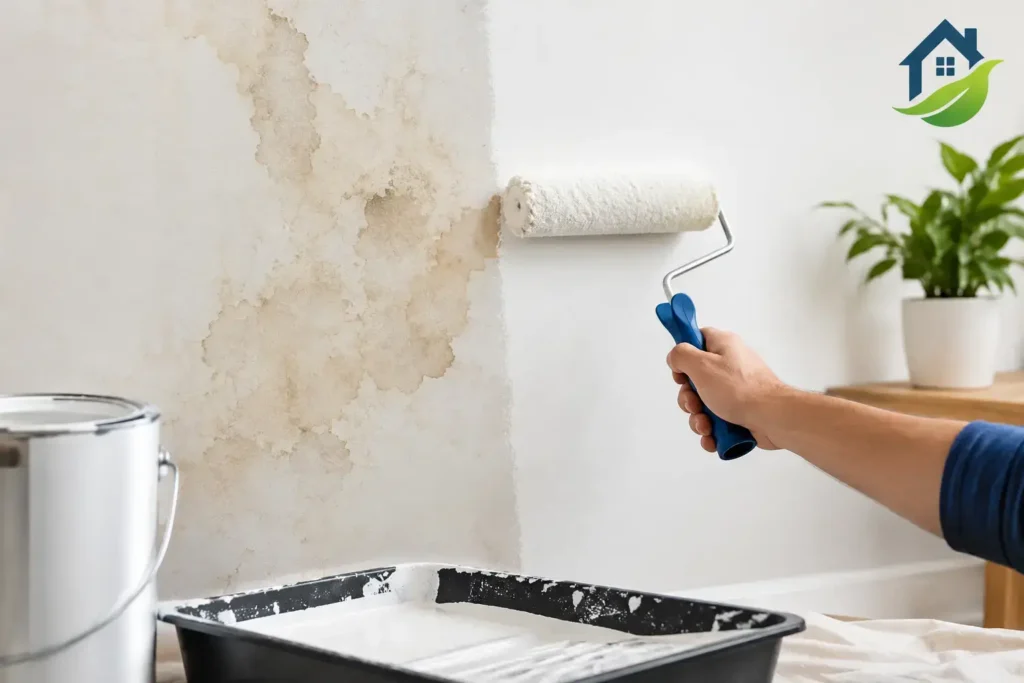
This is where a trend should never override the scope of work. A fresh exterior color cannot compensate for trim that is taking on water or siding that needs repair. Addressing those causes first protects both the finish and the home.
Consider the neighborhood, HOA, and resale timeline
If you are painting before listing a home, broad appeal usually beats a highly personal statement. Warm off-white walls, balanced neutrals, refreshed trim, and a clean front door color can make a property feel well cared for without limiting buyers’ imagination.
For a long-term home, personal preference deserves more weight. Still, homeowners in HOA communities should confirm approved color requirements before selecting products or scheduling work. A professional color consultation can narrow down options that fit the home, the neighborhood, and the amount of maintenance you are comfortable taking on.
How to Choose a Trend You Will Still Like Later
Start with the elements you are not changing: flooring, countertops, tile, roofing, brick, stone, and major furniture. Then decide what the room needs. A dark hallway may need a lighter wall color more than a dramatic one. A large family room may need warmth rather than another shade of gray. A dated kitchen may benefit most from cabinet refinishing and updated paint, not a full remodel.
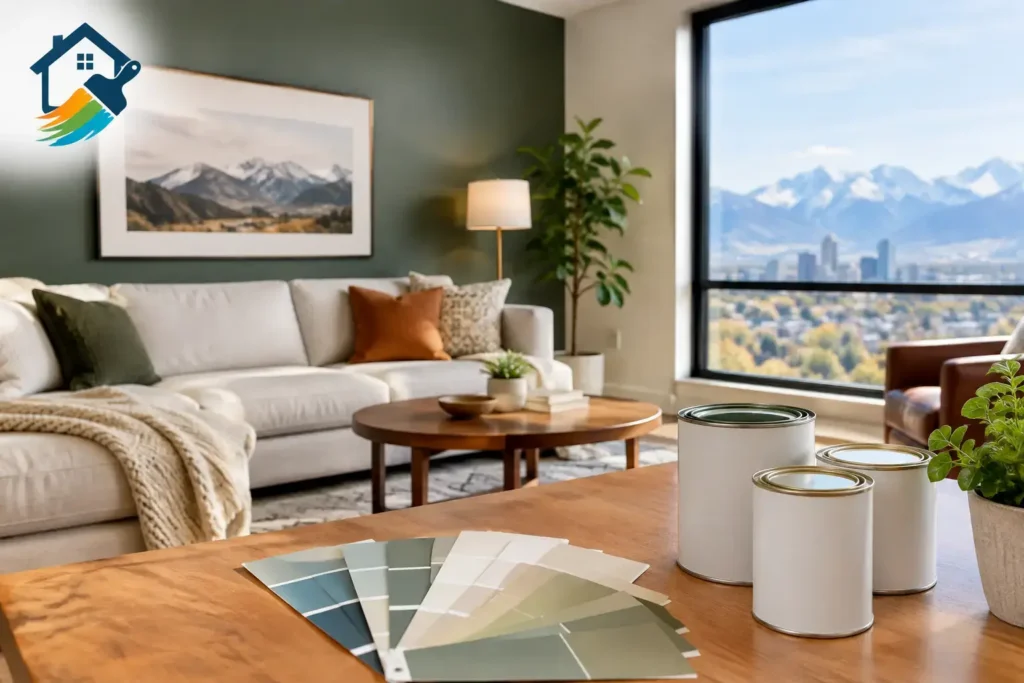
Sample colors in the actual room and view them morning, afternoon, and evening. Paint a large test area or use movable sample boards, rather than relying on a small chip. Compare your choices against the trim, flooring, and nearby rooms. The best color is often the one that makes everything else in the space look more considered.
Majestic Painting Company helps homeowners sort through those decisions during an on-site consultation, including color, sheen, repairs, surface preparation, and product options. A written estimate should make the scope clear before work begins, especially when a project includes drywall repair, cabinet refinishing, trim replacement, or exterior maintenance.
The most lasting trend is a paint plan that fits your home instead of fighting it. Choose color with the light, materials, condition, and future of the property in mind, and the finished space will feel current for far longer than a single season.