
A paint job can look simple on a calendar: pick a week, hire a crew, choose a color. In practice, learning how to schedule house painters means coordinating weather, repairs, materials, household routines, and the contractor’s availability before the first drop cloth goes down. A little planning protects your timeline and gives the painters the conditions they need to do lasting work.
For homeowners in the Denver metro, timing matters even more outdoors. High-altitude sun, afternoon storms, hail, wind, and sharp temperature swings can affect prep work, caulk, primers, and paint cure times. The right schedule is not just the earliest opening. It is a realistic plan that accounts for your property and the season.
Start With the Date That Cannot Move
Work backward from the event driving your project. That may be listing your home, moving into a new place, hosting family, opening a business, or completing another renovation. Give yourself more room than the painting itself appears to require.
An occupied interior project may take several days, but color decisions, drywall repairs, furniture moving, drying time, and final touchups all take time. Exterior work can be delayed by weather even when the forecast looked favorable at the start of the week. If your home needs siding, trim, gutter, or stucco-related repairs before painting, those repairs should be part of the schedule from day one.
For a home sale, aim to have painting complete at least one to two weeks before photography or showings when possible. That buffer allows for final cleaning, staging, small repairs, and a calm response if a color sample or touchup needs attention. If your deadline is fixed, tell the estimator at the first visit. A reliable contractor can tell you whether the scope, crew availability, and conditions make that date realistic.
Request an On-Site Estimate Before You Pick a Start Week
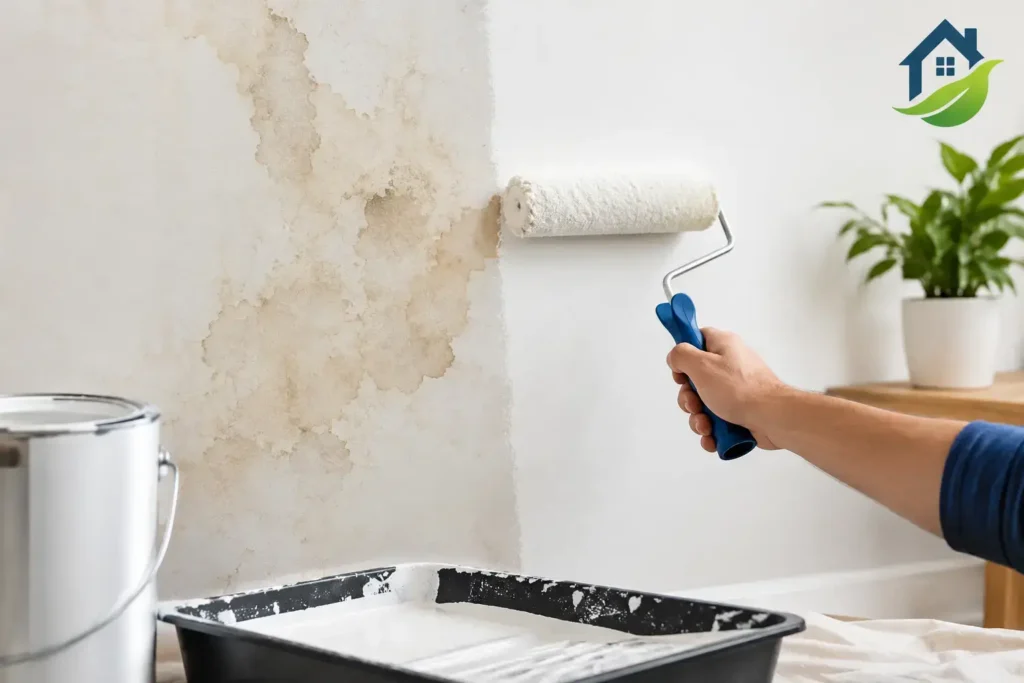
Scheduling from a phone description often creates avoidable surprises. A proper on-site consultation lets the contractor inspect peeling paint, hairline cracks, rotted trim, water staining, drywall damage, and access challenges. Those details determine how much preparation is needed and how long the project should take.
Ask for an itemized written estimate that separates painting from necessary repairs and clearly identifies the surfaces included. It should explain the prep process, paint products, expected timeline, and any conditions that could affect the start date. If you are comparing bids, make sure each contractor is pricing the same level of preparation. A lower quote can be less useful if it leaves out wood repair, power washing, priming, or protection for landscaping and furnishings.
This is also the time to ask whether one team can handle related work. Coordinating painters, carpenters, gutter installers, and drywall repair separately can stretch a straightforward project into several weeks. When one insured contractor manages the repairs and painting on one schedule, there are fewer handoffs and fewer opportunities for delays.
How to Schedule House Painters by Season
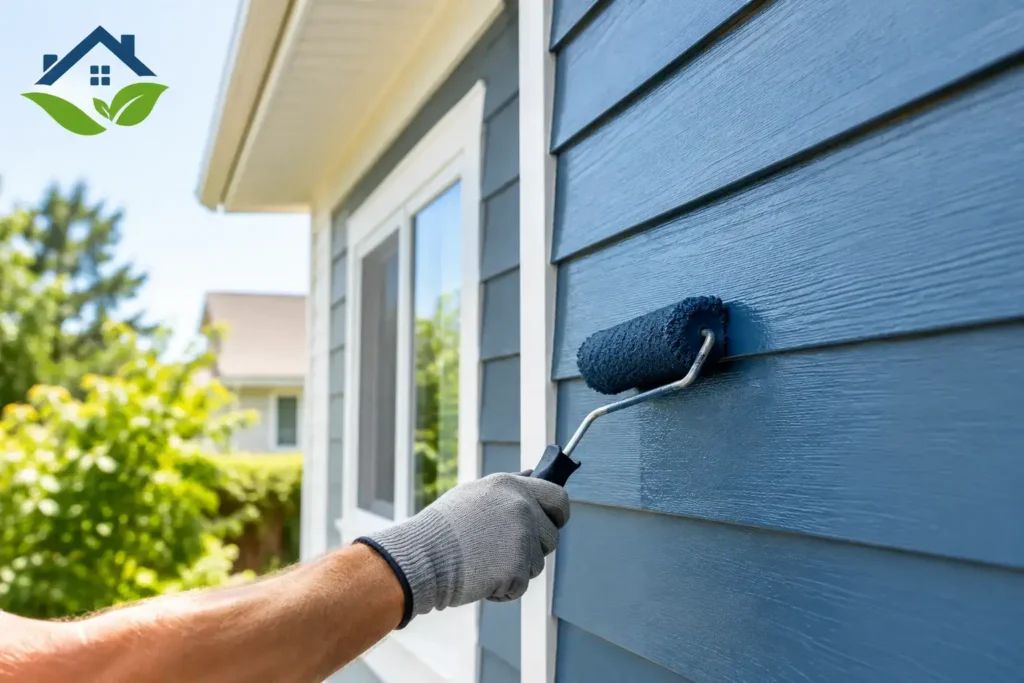
Exterior painting has a weather window, but there is no single perfect month for every Colorado home. Spring and fall can offer comfortable temperatures, though rain, wind, and overnight lows still need to be monitored. Summer provides longer workdays, but intense sun and afternoon thunderstorms may require crews to adjust their daily sequence. Winter is often better suited to interior painting, cabinet refinishing, drywall repair, and other climate-controlled work.
The best approach is to schedule exterior work early enough to secure a preferred window, then allow the crew to make sensible weather calls. Quality paint should not be applied to damp surfaces or when temperatures fall outside the product’s requirements. Pushing ahead just to keep a calendar date can lead to poor adhesion, flashing, or premature failure.
If your exterior is showing exposed wood, failing caulk, peeling areas, or water-damaged trim, do not wait for an ideal season to request an estimate. The inspection and planning can happen now, and the work can be scheduled for the next appropriate window. Prompt repair may prevent a small maintenance item from becoming more extensive damage.
Confirm Colors and Scope Before Materials Are Ordered
Color indecision is one of the most common reasons a painting schedule slips. Exterior colors can look very different in Colorado’s bright sunlight than they do on a small paper chip. Interior colors shift with room orientation, flooring, bulbs, and adjacent finishes. Test larger samples on the actual surface and view them at different times of day.
Finalize your color choices, sheen, and accent areas before the scheduled start whenever possible. For interiors, confirm ceilings, walls, trim, doors, cabinets, and specialty finishes separately. For exteriors, clarify body color, trim, shutters, front doors, garage doors, and any fences or decks included in the proposal.
If your neighborhood has an HOA, submit the required color package early. Approval timelines vary, and waiting until the crew is ready to start can put the project on hold. A painting contractor familiar with HOA processes can help organize the product information and color details you may need, but the homeowner should still allow time for the board’s decision.
Prepare Your Home Without Overcomplicating It
Your contractor should explain what the crew will protect and what they need from you before work begins. For interior projects, homeowners typically remove fragile items, personal valuables, and small decor from the work areas. Clear access to walls, closets, and windows helps the crew work efficiently. Large furniture can often be moved and covered by the painters, but confirm that arrangement in advance.
For exterior projects, move patio furniture, grills, planters, and vehicles away from the work zone. Trim back vegetation that presses against siding, and make sure gates are unlocked if the crew needs access to the side or back of the property. Let the contractor know about pets, security systems, irrigation schedules, parking restrictions, or neighbors who share a driveway.
You do not need to turn your home upside down weeks ahead of time. Ask for a simple pre-project checklist and complete it shortly before the crew arrives. The goal is to create safe access while keeping your household functioning normally.
Put Communication Expectations in Writing
A dependable painting schedule includes more than a start date. Before work begins, know who your main contact will be, when the crew expects to arrive, how weather updates will be communicated, and how change requests are handled. Confirm whether the crew will work consecutive days, what happens if rain interrupts exterior work, and when you can expect a final walkthrough.
Be direct about access and availability. If you work from home, have young children, or need quiet hours for a business, share that early. Most crews can sequence rooms or work areas to reduce disruption, but they need that information before the project is underway. For commercial spaces, scheduling evenings, weekends, or phased work may be possible depending on the scope.
If new damage is discovered after prep begins, ask for a written explanation of the issue, the recommended repair, the price, and the effect on timing. Good contractors do not hide necessary work, but they should not make unexplained changes either. Clear approval protects both the homeowner and the crew.
Leave Room for the Final Walkthrough
Do not schedule cleaners, movers, or an open house for the same hour painters are expected to finish. Plan for a final walkthrough after the work is complete, when you can inspect the project in normal lighting and note any agreed touchups. This is also the right time to receive care guidance, product details, and warranty information.
A professional crew should leave the work area clean, but paint needs time to cure even after it feels dry. Avoid scrubbing newly painted walls, pressing furniture tightly against fresh finishes, or closing painted windows too soon. Your contractor can give specific guidance based on the coating used and the conditions during the project.
The easiest way to schedule a successful paint job is to start with an honest conversation about your home, deadline, and budget. Majestic Painting Company can assess the repairs behind the paint, provide a clear written plan, and help you choose a start date that respects both your calendar and the work itself.