
A peeling fascia board or soft window trim is not just a paint problem. It is usually a moisture problem that has been working behind the scenes for months or years. So, does exterior paint prevent rot? Yes, when it is applied to sound, properly prepared wood and maintained over time. But paint cannot stop rot that is already active, and it cannot make up for leaking gutters, failed caulk, or water trapped behind siding.
For Colorado homeowners, that distinction matters. Strong UV exposure, hail, snow, and repeated freeze-thaw cycles can break down exterior coatings and open small gaps around trim, siding, windows, and doors. Catching those weak points early can save a board. Painting over them without repairs often means the problem returns under the new finish.
How Exterior Paint Helps Prevent Rot
Wood rot needs moisture, oxygen, and a food source. Exterior wood supplies the food source, and oxygen is always present. A quality paint system helps by limiting the moisture that reaches the wood.
Think of paint as part of your home’s weather barrier, not the entire barrier. A properly applied primer and topcoat create a protective film that sheds rain and slows water absorption. Caulk closes narrow joints where water can enter, while sound flashing, gutters, roof edges, and siding details direct water away from vulnerable areas.
Paint also protects wood from ultraviolet light. In the Front Range, high-altitude UV can make older coatings chalky and brittle. Once paint loses flexibility, it may crack at joints and edges. Water gets into those openings, the wood swells, and the coating peels further. Regular repainting interrupts that cycle before moisture has time to cause serious damage.
The protection is strongest when the full system is working together: clean surfaces, dry wood, appropriate primer, quality exterior paint, sealed joints, and adequate drainage. Skipping any one of those steps can shorten the life of the finish.
What Paint Cannot Fix
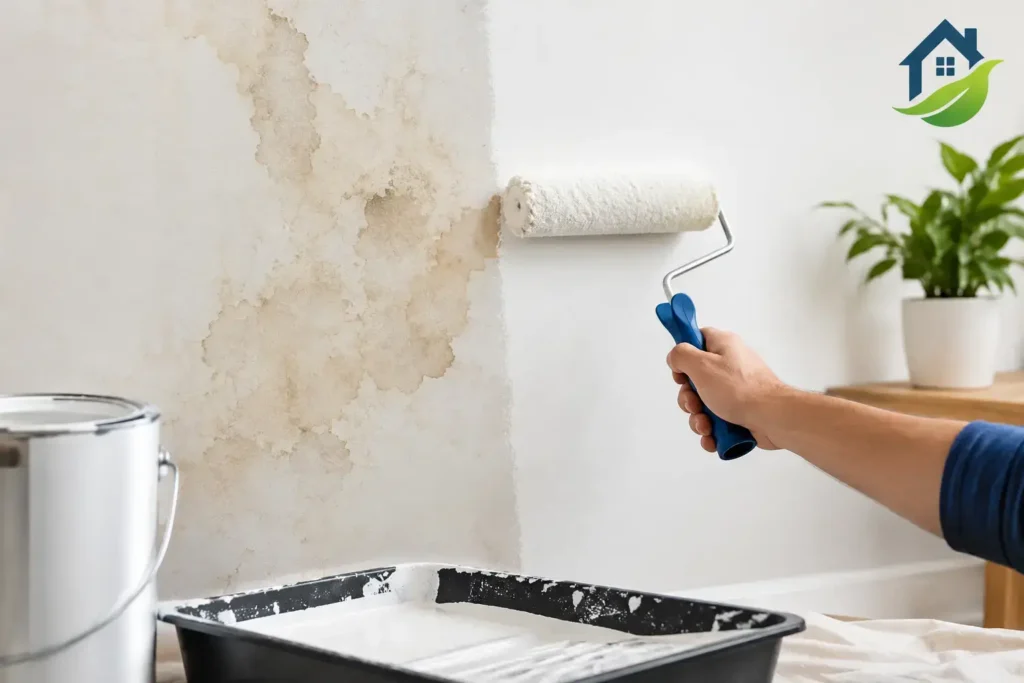
A fresh coat can make rotten trim look better briefly, but it does not restore the wood’s strength. If a screwdriver easily sinks into a board, if the surface feels spongy, or if pieces of wood crumble away, replacement is usually the right repair.
Paint also cannot correct the conditions that caused the rot. A board beneath an overflowing gutter will continue to get wet. Trim installed too close to a roofline may wick moisture. A window with failed caulk or flashing can let water enter behind the siding, where it may not be visible until the damage becomes extensive.
There is a trade-off here. Replacing a few damaged boards and correcting the water source costs more upfront than simply coating over the area. However, it is often far less expensive than waiting until rot spreads into sheathing, framing, window components, or adjacent siding.
Be cautious about paint that claims to cover everything in one heavy coat. Thick paint can hide cracks temporarily, but it cannot stabilize decayed material. In some cases, coating damp wood can trap moisture and accelerate failure beneath the surface.
Signs You May Have Rot Before Painting
Not every crack or peel means the wood is rotten. Paint can fail because of sun exposure, poor adhesion from an earlier paint job, hail impact, or normal aging. Still, a close inspection before exterior painting is worthwhile.
Look closely at horizontal surfaces and water collection points. Window sills, door trim, fascia, rake boards, porch posts, deck trim, chimney siding, and the bottom edges of wood siding are common trouble spots. These areas tend to see more rain, snow, or runoff than broad wall surfaces.
You may be dealing with moisture damage if you notice paint bubbling, deep cracking along joints, dark staining, mushroom-like growth, soft or flaky wood, or caulk pulling away from the trim. A persistent musty smell near an exterior wall can also warrant a closer look, especially around a window or door.
A practical test is to press gently on suspect wood with a small awl or screwdriver. Sound wood should feel firm. Do not jab aggressively or create unnecessary holes, but if the tool sinks in with little resistance, have the area assessed before scheduling paint.
Does Exterior Paint Prevent Rot on Every Material?
The answer depends on what is being painted. Wood needs a coating system that limits moisture exposure. Engineered wood siding also needs careful edge sealing and prompt repair when its factory finish is damaged. Fiber cement and composite trim do not rot like natural wood, but they can still have issues with failed caulk, water intrusion, or paint adhesion.
Vinyl siding does not require paint for rot prevention, although the wood framing and sheathing behind it still need proper water management. Metal trim will not rot, but chipped coatings can allow corrosion in certain conditions. Masonry has different moisture rules altogether, since some coatings can prevent walls from drying as intended.
That is why material identification matters during an estimate. The right product and prep method for cedar siding may be wrong for fiber cement, aluminum, or stucco. A dependable contractor should explain what they found, what needs repair, and why a particular primer or coating is recommended.
The Prep Work That Makes Paint Protective
Exterior paint performs best when preparation is treated as repair work, not a quick step before color goes on. First, surfaces need to be cleaned of dirt, chalking paint, pollen, mildew, and loose material. Power washing can be useful, but excessive pressure can scar wood or force water behind siding. The surface must then dry fully.
Loose and failing paint should be scraped and sanded so new coatings can bond to a stable surface. Bare wood typically needs a suitable exterior primer, particularly at end grain, cut edges, and replacement boards. These areas absorb moisture readily and deserve extra attention.
Next comes repairing or replacing failed components. That may include damaged trim, cracked siding, loose boards, deteriorated caulk, or gutters that spill water onto the house. Caulk is applied at appropriate joints, but it is not a substitute for flashing or a fix for large gaps caused by movement or structural problems.
Finally, paint should be applied within the product’s temperature and weather guidelines. Spring and fall can bring quick changes along the Denver metro, so timing matters. Painting just before rain, during extreme heat, or onto cold, damp surfaces can affect cure time and adhesion.
A Maintenance Plan Is Better Than Waiting for Peeling Paint
Most exterior paint jobs do not fail all at once. South- and west-facing walls often show UV wear first, while shaded areas and trim near gutters may show moisture-related damage first. A brief annual walk-around can help you spot small issues before they become carpentry repairs.
Check for open caulk joints, peeling at trim edges, gutter overflow, loose downspouts, exposed bare wood, and branches rubbing against siding. Keep soil, mulch, and snow from sitting against wood components. If one area repeatedly peels, do not assume it simply needs another coat. Find out whether water, sun, movement, or an incompatible earlier coating is causing the failure.
For homes with older wood siding or extensive trim, a professional inspection before repainting can be especially valuable. Majestic Painting Company evaluates the condition of the exterior first, then coordinates targeted trim or siding replacement, gutter corrections, surface preparation, and painting on one organized schedule.
When to Repair, Replace, or Repaint
Repaint when the substrate is sound and the coating is beginning to fade, chalk, or lose its protective film. Repair when damage is limited to a small section, such as an open seam, a failed bead of caulk, or isolated surface deterioration. Replace when wood is soft, structurally weakened, repeatedly wet, or decayed beyond a solid surface layer.
The best choice is not always the lowest-cost option on day one. A clear written scope should separate painting from carpentry and drainage work, so you can see exactly what protects the home and what is cosmetic. Good-better-best options can also make sense when a homeowner needs to prioritize the most vulnerable areas now and plan broader work later.
If you are seeing peeling paint around trim, do not wait for the next color change to investigate it. Address the water path, repair any compromised wood, and give sound surfaces the protection they need. That is how exterior paint earns its place as a preventative measure instead of a temporary cover-up.