
A faded south-facing wall, cracked caulk around trim, or a few soft boards near a gutter can turn a simple paint project into a siding decision. When homeowners weigh fiber cement versus wood siding, the better choice is rarely just about the material price. In Colorado, high-altitude sun, hail, snow, and freeze-thaw movement all affect how long siding and paint will hold up.
Both materials can look excellent when they are installed correctly and maintained on schedule. The right choice depends on the home’s existing architecture, the extent of damage, your budget, and how much ongoing maintenance you are comfortable handling. A careful exterior inspection should come before selecting paint colors or approving a replacement scope.
Fiber Cement Versus Wood Siding: The Main Difference
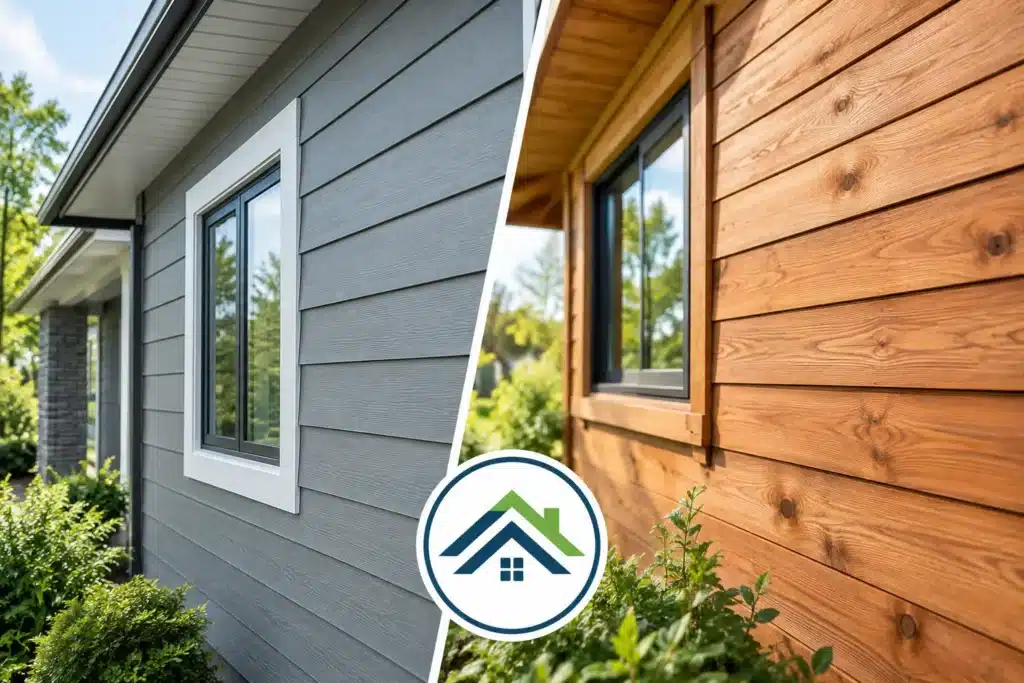
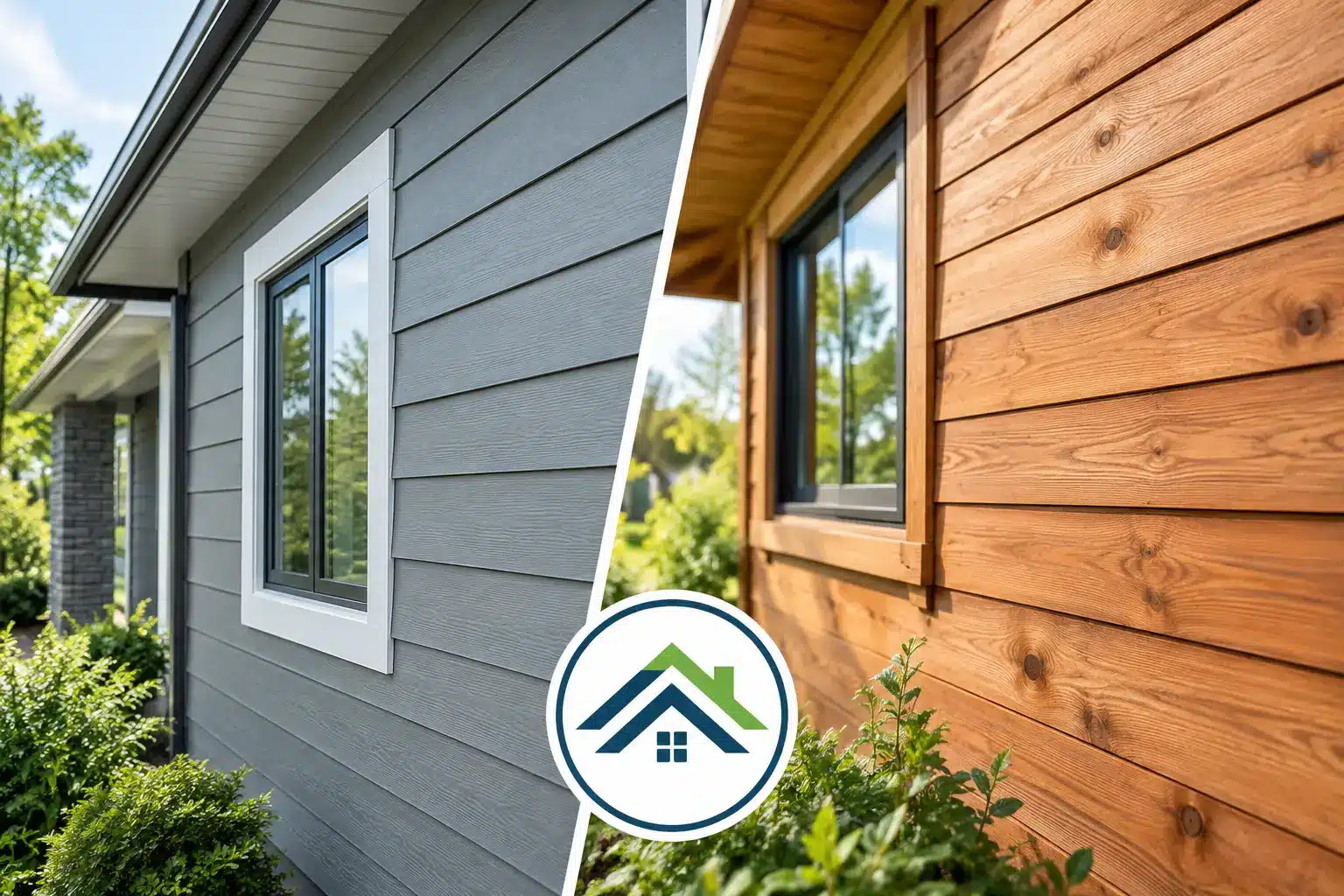
Fiber cement siding is a manufactured product made from cement, sand, cellulose fibers, and water. It is formed into boards, panels, shingles, and trim profiles that can resemble painted wood. It does not contain the organic material that makes wood vulnerable to rot and insect damage.
Wood siding is a natural material, commonly installed as lap boards, cedar shingles, board-and-batten, or tongue-and-groove panels. It offers genuine grain, depth, and character that many homeowners prefer, especially on older homes and properties with traditional or rustic architecture.
The practical distinction is maintenance risk. Wood requires paint or stain to keep moisture out of the boards. Fiber cement still needs quality paint and sealed joints, but the board itself is less likely to decay when it gets wet. Neither material is maintenance-free, and neither will perform well if water is running behind it because a gutter, roof edge, window, or flashing detail has failed.
How Each Material Handles Colorado Weather
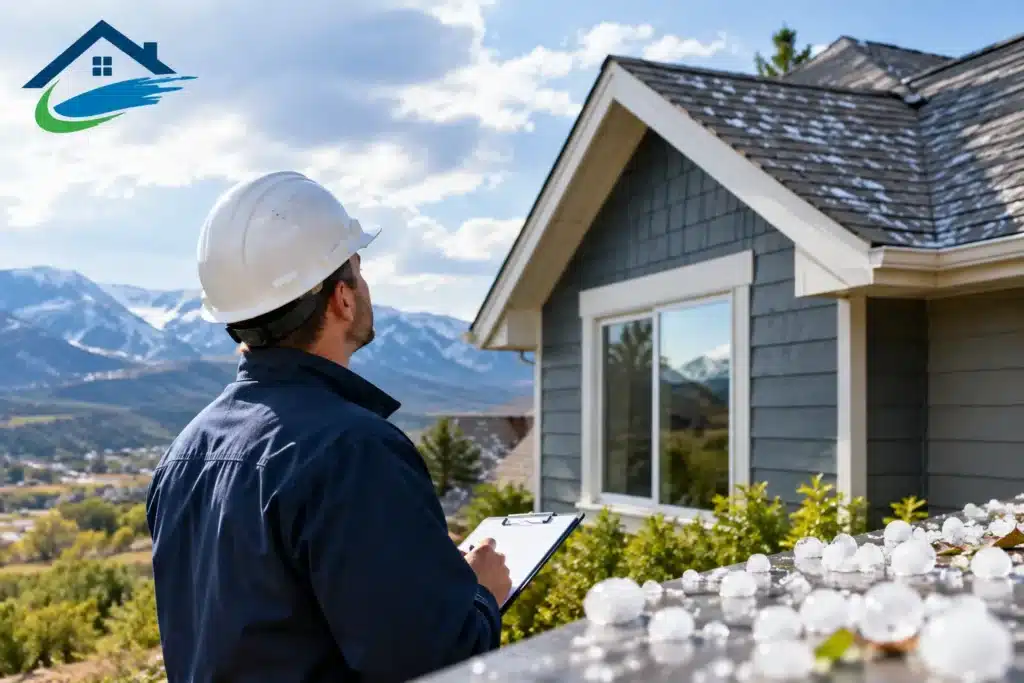
Denver-area homes experience conditions that are unusually hard on exterior finishes. Intense UV exposure can fade paint and dry out caulk. Hail can chip coatings or break boards. Winter moisture can enter an unsealed seam, freeze, and widen the opening over time.
Fiber cement is more forgiving around moisture
Fiber cement generally performs well through wet-dry cycles and will not rot like wood. That makes it a practical option for lower wall sections, chimney chases, window surrounds, and other areas where splashback or moisture exposure is common. It is also noncombustible, an added consideration for properties near wildfire-prone areas.
Its limitations are installation-related. Fiber cement is heavy and brittle at the edges, so it needs proper fastening, clearance from roofing and grade, correctly flashed openings, and carefully caulked transitions. A board installed too close to a roofline or hardscape can still wick moisture or crack. Repairing an individual section is possible, but color matching older painted siding may take some planning.
Wood offers character but needs closer attention
Wood naturally expands and contracts with changing moisture levels. When paint, caulk, or stain breaks down, water can enter the grain and cause cupping, checking, splitting, or rot. These problems often begin at end cuts, horizontal seams, nail holes, and boards located below leaking gutters.
Well-maintained wood can last for decades and can be repaired selectively rather than replacing an entire elevation. It is also easier to cut and customize for detailed trim work. But its appearance depends on disciplined maintenance: prompt repairs, sound caulking, clean surfaces, and repainting before the coating fails rather than after damage spreads.
Appearance and Curb Appeal
For many homeowners, this is where wood remains compelling. Real wood has variation that cannot be fully duplicated, particularly in stained finishes, historic profiles, and close-up trim details. If your home was designed around cedar shakes or wood lap siding, replacing everything with a different profile can change its character.
Fiber cement has improved significantly in its texture and profile options. Once painted, quality fiber cement lap siding can deliver a clean, convincing result from the curb, especially on contemporary, Craftsman, or traditional homes. It is a strong candidate when the goal is a consistent painted exterior with less concern about future rot.
The key is matching the material to the design rather than treating every damaged board the same way. A home may benefit from fiber cement replacement on vulnerable trim and lower siding while retaining sound wood siding elsewhere. This approach can preserve the original look while addressing recurring trouble spots.
Cost: Look Beyond the Initial Bid
Wood siding can cost less or more than fiber cement depending on species, profile, availability, and the complexity of the installation. Basic wood products may have a lower material cost, while premium cedar and custom-milled profiles can be substantially more expensive. Fiber cement is often competitively priced as a material, but installation labor may be higher because of its weight and the specialized cutting and handling involved.
The more useful comparison includes the work surrounding the siding. A realistic estimate should address removal of failed material, disposal, housewrap or flashing repairs where needed, trim replacement, caulking, priming, paint, and access requirements. Replacing a few visibly damaged boards without correcting a leaking gutter or failed window detail can create the same problem again.
Over time, wood may require more frequent spot repairs and coating upkeep. Fiber cement can reduce rot-related repair costs, but it still needs periodic inspection and repainting. Paint is not only a color choice. It is the exterior coating system that protects both materials from sun and moisture.
Painting Requirements Matter More Than Many Owners Expect
A long-lasting finish starts with preparation. For wood, that may include washing, scraping loose paint, sanding failed edges, setting protruding nails, replacing soft boards, spot-priming bare areas, and sealing joints with the appropriate exterior caulk. Knots and tannin-prone woods may require specialty primers to prevent staining through the finish coat.
For fiber cement, the crew should inspect for cracked boards, failed caulk, missing fasteners, and gaps at trim or penetrations. Factory-primed boards still need compatible paint, and cut edges need treatment according to the product requirements. Paint applied over dust, chalking, or wet surfaces is likely to fail early, regardless of how premium the topcoat may be.
Color selection also affects maintenance. Very dark colors absorb more heat, which can put additional stress on siding and caulk, particularly on sunny exposures. This does not mean dark exteriors are off limits, but they call for careful product selection and attention to manufacturer recommendations. A consultation should include discussion of sheen, color placement, and which elevations receive the harshest afternoon sun.
When Fiber Cement Is Usually the Better Fit
Fiber cement is often the practical choice when rot is recurring, hail has damaged multiple areas, or a homeowner wants a painted exterior with lower long-term vulnerability to moisture and insects. It is especially useful for replacing deteriorated fascia, corner boards, window trim, and siding sections that repeatedly receive runoff.
It can also make sense for a home seller preparing for the market. Buyers tend to notice peeling paint, soft trim, and patched siding quickly. Replacing visibly failed sections and applying a consistent, professionally prepared finish can make the exterior feel cared for without committing to a full remodel.
When Wood Is Worth Preserving or Replacing
Wood is worth serious consideration when architectural authenticity is the priority, when the existing siding is largely sound, or when a specific wood profile cannot be matched with another material. Selective board replacement followed by proper prep and repainting can be a cost-conscious solution for homes that do not have widespread moisture damage.
It is also a good fit for owners who appreciate natural materials and are prepared to maintain them. The best time to repaint wood is when the finish begins to thin or crack, not after widespread peeling exposes bare boards to multiple seasons of weather.
Start With the Cause, Not Just the Surface
Before choosing between materials, inspect the whole exterior system. Look at gutters and downspouts, roof-to-wall flashing, windows, deck attachments, soil and mulch height, sprinkler overspray, and caulked joints. Water problems are often directional: one wall or one trim detail fails repeatedly while the rest of the home looks fine.
A clear, itemized scope should separate necessary repairs from optional upgrades. It should explain which boards will be replaced, whether flashing or gutter corrections are needed, how surfaces will be prepared, and what paint system will be used. That clarity helps homeowners compare bids fairly and avoid surprises after work begins.
For many Front Range homes, the best answer is not all fiber cement or all wood. It is a thoughtful repair plan that protects the vulnerable areas, respects the home’s style, and gives the new paint a sound surface to hold onto. A free on-site assessment can turn that decision from a guess into a practical plan.