
A worn reception wall, scuffed hallway, or dated conference room can quietly change how customers and employees see your business. Yet putting off the work is understandable when every room has people, equipment, and deadlines in it. Thoughtful office repaint scheduling gives you a practical way to improve the space without turning a normal workweek into a construction project.
For small offices, professional suites, retail-adjacent workspaces, and property managers, the goal is not simply to find an open date. It is to plan the scope, sequence, access, and drying time so the paint project fits the way your business actually operates.
Start Office Repaint Scheduling With Your Business Calendar
The best repaint date depends less on the calendar month than on the activity inside your office. A tax office may need to avoid filing season. A medical or professional practice may have fuller appointment schedules at the beginning or end of the week. A sales team may need its conference room available for presentations, while a property manager may prefer work completed between tenant transitions.
Before setting dates, identify the rooms that matter most and the times they are hardest to access. Ask which spaces can be temporarily closed, which must remain open, and whether employees can work remotely or relocate for a day. These details help determine whether the project should happen in phases, after hours, over a weekend, or during a slower period.
Painting an occupied office all at once can be efficient when the building has available swing space and a clear shutdown window. Phasing the project room by room is usually less disruptive, but it can take longer and may require more coordination. Neither approach is automatically better. The right choice is the one that protects your operations while giving the painting team enough uninterrupted time to prepare and finish each area correctly.
Plan the Scope Before You Choose a Start Date
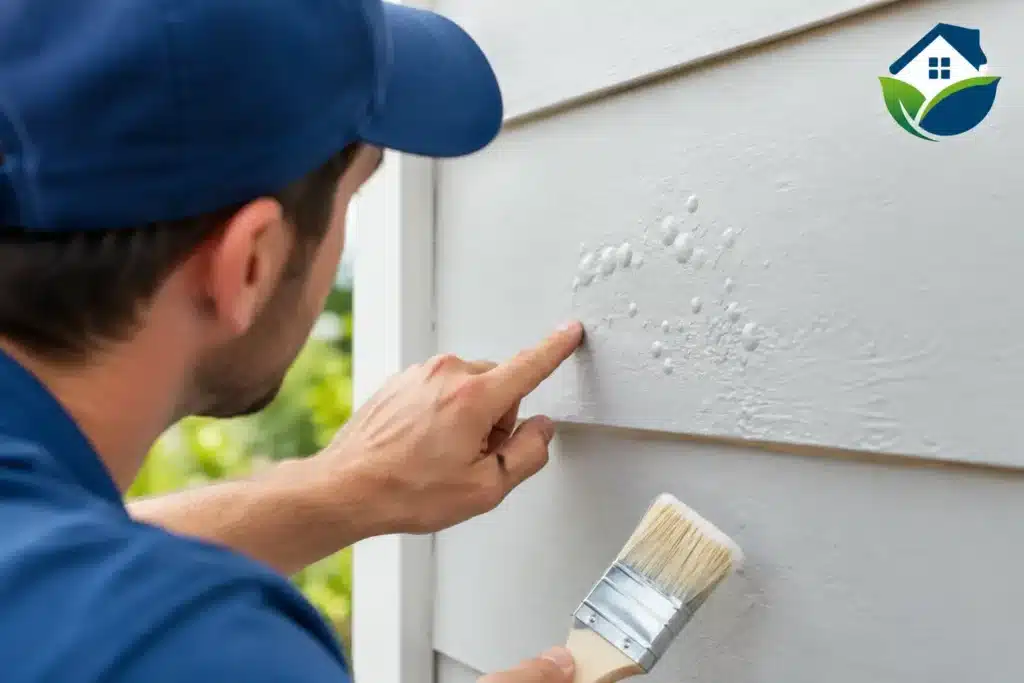
A fresh coat of paint may sound like a one-day task, but the condition of the walls often sets the real schedule. Small nail holes, dents, peeling paint, water stains, damaged drywall, and worn baseboards should be addressed before final coats go on. Skipping those repairs may shorten the visit, but it rarely produces the clean, professional result a commercial space needs.
During a walkthrough, it helps to separate the project into three categories: areas that need painting now, areas that need repair before painting, and areas that could be handled later. This keeps the quote clear and lets you make decisions based on budget and business priorities rather than surprises after work begins.
A reception area and client-facing hallway may deserve immediate attention, while private storage rooms can wait. In other cases, adding drywall repair, trim touchups, or door painting to the same project can be more practical than scheduling separate visits. A detailed estimate should show those choices clearly, including the recommended products, prep work, labor, and expected timing.
Allow Time for Preparation and Cure Time
Most office repaint schedules should include more than application time. Furniture needs to be moved or protected, floors and fixtures covered, wall repairs completed, surfaces sanded, and areas cleaned before painting begins. These steps are what help the new finish look even and last longer.
Dry-to-the-touch paint is not always ready for heavy use. Walls may need time before artwork, signs, furniture, or equipment is returned to place. High-touch surfaces such as doors, frames, and handrails can also need extra care while coatings cure. Your contractor should explain when rooms can be reoccupied and when normal cleaning can resume.
Choose Work Hours That Reduce Interruptions
For many businesses, after-hours or weekend painting is the simplest answer. It allows painters to protect the space, complete larger sections of work, and clean up before employees or customers return. This can be especially useful for reception spaces, meeting rooms, and common corridors where daytime work would be distracting.
That said, after-hours work is not required for every office. A small business with flexible schedules may find it easier and more cost-effective to paint during regular hours, one room at a time. If employees are already out for training, remote work, inventory, or a company event, that window can be a smart opportunity.
The main consideration is access. Make sure the painting crew can enter the building, use restrooms if needed, park appropriately, and secure the property when work is complete. For offices in multi-tenant buildings, confirm building rules for elevator use, loading areas, work hours, noise, and certificates of insurance well before the project date.
Prepare Employees and Customers for the Change
A simple internal notice can prevent a surprising amount of frustration. Let staff know which rooms will be unavailable, where they can work instead, and when furniture or personal items must be cleared. If the project affects customers, post clear directions for alternate entrances, temporary waiting areas, or conference-room locations.
Employees should remove personal belongings, electronics, loose papers, and items from desktops before the painters arrive. A contractor can cover large furniture and work around fixed items, but cleared surfaces make preparation faster and reduce the risk of misplaced materials. Sensitive equipment, server rooms, and records-storage areas should be identified during the initial walkthrough so they receive the right protection or are excluded from the scope.
For businesses that remain open, consider handling the most visible rooms first. Customers notice entryways, lobbies, restrooms, and conference rooms quickly. Completing those areas early can improve the experience right away while the remaining work moves through less public parts of the office.
Pick Colors With Lighting and Use in Mind
Office color selection is not just a design decision. It affects how clean the space appears, how frequently marks show, and how the environment feels under overhead lighting. A bright white may look crisp in a sunlit lobby but feel harsh under cool fluorescent fixtures. A very dark accent wall can make a conference room feel polished, yet it may show scuffs more easily in a busy hallway.
Test color samples in the actual office, ideally at different times of day. Look at them beside flooring, cabinetry, signage, and furniture. If multiple rooms are being painted, a coordinated palette can create consistency without making every wall the same color.
Finish matters as well. Lower-sheen finishes can soften wall imperfections, while more washable finishes are often useful in high-traffic areas, break rooms, and spaces where fingerprints are common. The best recommendation depends on the wall condition, traffic level, cleaning needs, and the look you want to maintain.
Build in a Small Buffer for Real-World Conditions
Reliable office repaint scheduling includes a little breathing room. Unexpected drywall damage, a delayed furniture move, restricted building access, or an added repair can affect the original timeline. A buffer is not a sign of poor planning. It is what keeps a minor issue from becoming a major interruption to your business.
If you have a hard deadline, such as a grand opening, lease turnover, inspection, or client event, share it during the estimate. The contractor can recommend a realistic sequence and prioritize the spaces that must be finished first. It is far better to establish that deadline early than to rush preparation near the end of the job.
Clear communication also matters after the paint dries. A final walkthrough gives you the opportunity to review coverage, touchups, room access, and cleanup before the project is considered complete. At Majestic Painting, that organized process starts with a free consultation and an itemized recommendation, so you can make scheduling decisions with a clear picture of the work ahead.
A well-timed repaint does more than freshen walls. It shows employees and customers that the space is cared for, while allowing your business to keep moving. Start with the calendar your team already relies on, give the project enough room for proper preparation, and choose a schedule that supports both a quality finish and a normal workday.