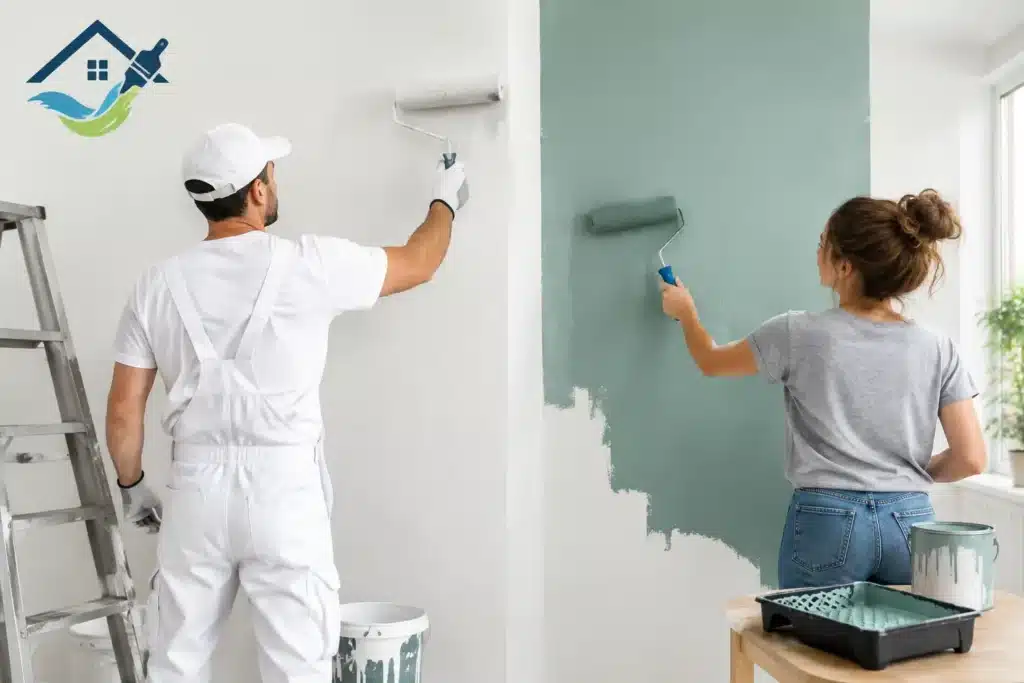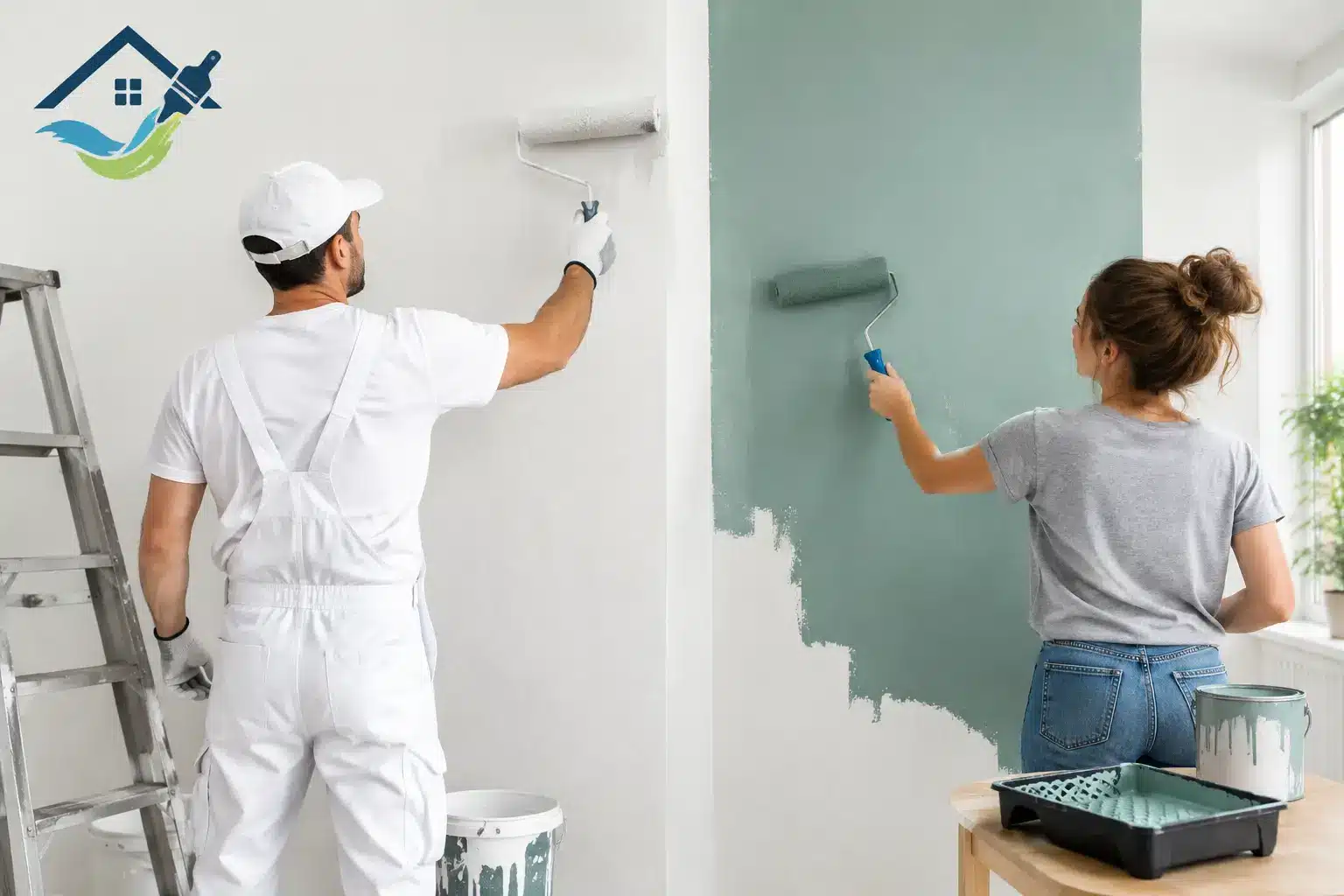

A gallon of paint can make a room feel like a manageable Saturday project. Then the patchy drywall, uneven trim, dried roller marks, and second trip to the store show up. When homeowners weigh professional painters versus DIY, the right choice is rarely just about who can hold a brush. It comes down to the condition of the surfaces, the stakes of the finish, the time available, and whether hidden repairs are part of the job.
For a small, well-maintained room, DIY painting can be a sensible way to save money. For an exterior facing Colorado sun and hail, a home going on the market, or cabinets that need a near-factory finish, professional help often prevents a lower-cost project from becoming an expensive redo.
Professional Painters Versus DIY: Start With the Real Scope
Painting is the visible part of the project. Preparation is what determines whether the finish looks good next month and holds up for years.
A straightforward DIY job usually has a narrow scope: repainting a guest room with clean walls, a sound ceiling, and a color close to the existing one. The work is still detail-oriented, but the risks are limited. A homeowner can move furniture, protect floors, fill a few nail holes, and work at a comfortable pace.
The scope changes quickly when surfaces have water stains, peeling paint, cracks, textured-wall damage, wood rot, failed caulk, or previous paint that is not adhering. Exterior work adds ladder safety, weather timing, power washing, scraping, priming, and the need to protect landscaping, windows, brick, and roofing. In the Denver metro area, high-altitude UV, freeze-thaw cycles, and hail can expose weaknesses that a fresh coat alone will not solve.
That is where a professional painting company should do more than apply paint. It should identify the source of the damage, explain the repair options, and include the work clearly in a written estimate. If trim is rotted or gutters are sending water where it should not go, painting over the problem only delays it.
The Cost Question Is More Than Labor
DIY is usually less expensive at the checkout counter. Homeowners pay for paint, primer, patching supplies, brushes, rollers, tape, drop cloths, caulk, sandpaper, and possibly ladders or sprayers. For a modest interior room, those costs may be reasonable, especially if tools can be reused.
But material costs are only part of the equation. A color change from dark to light may require extra primer and coats. A low-quality roller cover can leave lint in the finish. The wrong sheen can make wall repairs stand out under daylight. And paint bought without enough margin for touchups can lead to a frustrating color-match problem later.
Professional pricing includes labor, supplies, equipment, surface preparation, cleanup, and project coordination. It can look higher because it reflects the full job, not just the paint can. The useful comparison is not DIY supplies versus a contractor’s total price. It is DIY supplies, your time, potential equipment purchases, repair uncertainty, and the cost of correcting a result you are not happy with.
For many homeowners, DIY offers real savings when the work is small and forgiving. Hiring professionals can offer better value when the project is large, highly visible, technically demanding, or tied to resale timing.
Where Professional Work Makes the Biggest Difference
Prep and repairs
Professional painters know that different surfaces need different preparation. Drywall repairs must be feathered, sanded, primed, and textured to blend in. Bare wood needs the appropriate primer. Exterior joints need sound caulk, not a quick bead placed over failed material. Cabinets need careful cleaning, sanding or deglossing, and a coating system designed for repeated handling.
A dependable contractor also has the experience to recognize when painting should pause until a repair is completed. That may mean replacing damaged siding or trim, correcting a gutter issue, or addressing moisture before coating the surface. This is especially valuable for homeowners who do not want to schedule a painter, carpenter, and handyman separately.
Consistent finishes
Walls can hide a lot. Doors, trim, cabinets, stair railings, and exterior siding cannot. These surfaces reveal brush marks, lap lines, drips, and uneven sheen quickly.
Pros use the right tools and application methods for the substrate and product. Just as important, they maintain a wet edge, cut clean lines, and work in an order that keeps the finish consistent. That difference matters in rooms with strong natural light and on exterior elevations that receive direct Colorado sun.
Time and disruption
DIY painting often takes longer than expected because it happens around work, family schedules, and weekend plans. There is nothing wrong with that if the room can stay partly dismantled for a while. But timing matters when preparing a house to list, reopening a small business area, or completing work before move-in.
A professional crew can provide a defined schedule, coordinate preparation and repairs, contain the work area, and clean up at the end of the project. The goal is not simply speed. It is keeping the project organized so the homeowner knows what happens next.
Safety and accountability
Painting a first-floor bedroom is different from preparing a two-story exterior, working near steep landscaping, or spraying coatings in an occupied property. Professional crews bring appropriate equipment, insurance, and established safety practices. They also provide an accountable point of contact if a concern comes up after the work is complete.
A workmanship warranty does not make a project problem-proof, but it gives the customer a clear path for follow-up. That is a meaningful advantage over trying to diagnose a peeling area or failed caulk line alone a season later.
When DIY Is a Smart Choice
DIY should not be treated as a mistake by default. It can be the right approach when the project is small, the surfaces are in good shape, and the homeowner enjoys hands-on work.
A single accent wall, a low-traffic guest bedroom, or a modest refresh between tenants can be good candidates. Choose quality paint, buy enough for the full project, test colors on the actual wall, and allow more time than the online tutorial suggests. Protect floors thoroughly and do not rush prep just to get to the color coat.
DIY is also useful for homeowners who want to handle minor touchups after a professional project. Keeping labeled leftover paint, noting the sheen, and using a small roller rather than a brush on broad wall areas can help the repair blend more naturally.
The better question is not, “Can I paint this?” Most people can. Ask, “What happens if this finish fails, looks uneven, or reveals a repair I did not know was there?” If the answer is a minor inconvenience, DIY may be worth it. If the answer is lost time, reduced curb appeal, or a visible flaw in a major investment, professional help is more compelling.
How to Compare Estimates Without Guessing
If you decide to hire painters, compare more than the bottom-line number. A clear estimate should spell out which surfaces are included, the preparation steps, repairs, products, number of coats, colors and sheens, schedule, and cleanup expectations. Vague proposals make it hard to know whether two prices cover the same work.
Ask how peeling paint, drywall damage, rotted trim, or unexpected repairs will be handled. Confirm whether the company is insured and whether a workmanship warranty is provided. If color selection feels overwhelming, look for a contractor that can offer practical guidance rather than pushing a one-size-fits-all choice.
Majestic Painting Company approaches estimates this way because homeowners deserve to understand what they are paying for before work begins. Good-better-best options can also be useful when there is more than one reasonable path to the outcome you want.
Make the Decision Based on the Finish You Need
There is pride in completing a room yourself, and there is value in handing a complicated project to an experienced crew. Neither route is automatically better.
Choose DIY when the work is contained, the surfaces are sound, the consequences of imperfections are low, and you have the time to do the preparation carefully. Choose professional painters when repairs, exterior exposure, detailed finishes, access challenges, deadlines, or long-term durability are part of the picture.
Before opening a paint can, take one slow walk around the space and look past the color. The condition of the walls, trim, caulk, and surrounding surfaces will usually tell you whether this is a satisfying weekend project or a job that deserves a coordinated plan.